The US Supreme Court has made headlines with a surprising ruling that has sparked intense debate over immigration enforcement practices. In a 6-3 decision, the Court has effectively overturned a lower court’s ruling that limited the government’s ability to conduct immigration checks based solely on race, raising concerns about racial profiling and civil liberties.

At the core of this decision is the Supreme Court’s interpretation of what constitutes appropriate immigration enforcement. The ruling allows federal agents to conduct “roving patrols” to identify suspects based on race or perceived immigration status, a practice that critics argue disproportionately targets minorities. This development is particularly alarming to civil rights advocates and many in the legal community who fear that such practices will lead to increased racial discrimination and unlawful detentions.
The case arose from a lower court ruling that prohibited the government from engaging in aggressive questioning and detention of individuals without reasonable suspicion, consent, or a warrant. The lower court’s decision was seen as a safeguard against potential abuses of power by federal immigration authorities, specifically in urban centers where demographic diversity can lead to systemic discrimination.
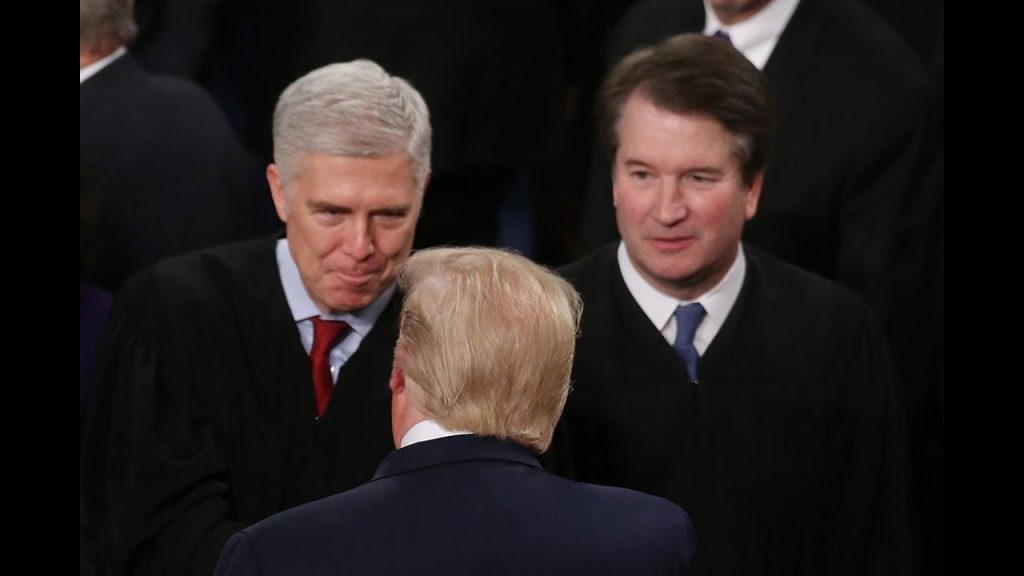
Justice Kavanaugh, who authored the statement supporting the ruling, referred to the ruling as a minor inconvenience for individuals who might be wrongfully detained, potentially US citizens or lawful residents. His remarks have drawn ire from critics who argue that this view trivializes the serious implications of racial profiling, particularly in metropolitan areas grappling with contentious immigration policies.
Opponents of the ruling argue that allowing law enforcement to racially profile individuals based on appearance or language not only undermines the principles of justice but also exacerbates societal divisions. They warn that this precedent may lead to an environment of fear among immigrant communities, where the threat of being detained without cause looms large. Legal experts have noted that such practices could result in a widespread chilling effect, reducing cooperation between law enforcement and immigrant communities, as individuals may be less willing to report crimes or assist police for fear of unwarranted scrutiny.
This ruling aligns with broader trends in recent years favoring stricter immigration enforcement practices, particularly under the Trump administration, which has championed a hardline stance on immigration. The implications of this decision go beyond the immediate effects, potentially reshaping how race and immigration status intersect in law enforcement practices across the nation.
As the dissenting opinions in the Court noted, the ruling could create an environment where communities feel increasingly marginalized and alienated from institutions intended to protect them. Legal challenges are expected to continue as advocates pursue measures to counteract the Supreme Court’s ruling and protect the rights of individuals in vulnerable positions.
With the balance of power between civil liberties and national security at stake, this ruling represents a crucial moment in the ongoing national conversation about race, immigration, and law enforcement. Many are calling for urgent action to address the potential fallout from this decision and to reaffirm commitments to equitable treatment under the law, emphasizing that vigilance is essential in safeguarding the rights of all individuals in the United States.