The United States often boasts some of the world’s most innovative medical research and healthcare ideas. From groundbreaking treatments to advanced technology, the country’s healthcare system is undeniably filled with potential. Yet, despite these innovative ideas, many Americans continue to face unacceptable barriers to access, affordability, and quality care. The core issue, critics say, is not a lack of good ideas but a **lack of political and societal will to implement them**.
A viral social media post succinctly captures this sentiment: “The failure of the US health system is not a failure of ideas. It’s a failure of will to act on them.” This statement resonates amid ongoing debates about why, despite decades of proposals and reforms, the US healthcare system remains plagued by disparities, soaring costs, and inefficiencies.
Many experts argue that the blueprint for better healthcare exists. Universal coverage models from other developed nations demonstrate that it is possible to provide comprehensive, affordable care through government intervention and policy reforms. Countries like Canada, Australia, and parts of Europe have implemented systems that prioritize preventative care and reduce administrative costs, resulting in better outcomes at a lower overall cost. But in the US, political polarization and entrenched economic interests often stand in the way of adopting such models.
“The ideas are there,” says healthcare policy analyst Dr. Lisa Carter. “What’s missing is the political will to make tough decisions, to prioritize human life over profits. It’s about leadership and society’s collective commitment to health as a human right, not a privilege.”
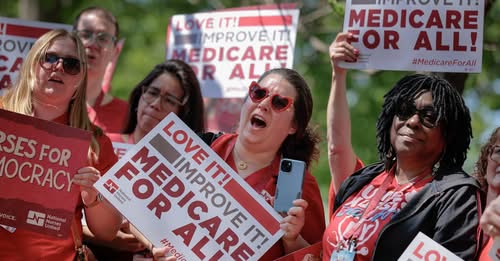
Public sentiment reflects this disconnect. Polls show that most Americans support universal healthcare, yet legislative action remains sluggish, bogged down by partisan politics, lobbying by powerful healthcare industries, and policy gridlock. As a result, millions remain uninsured or underinsured, forced to choose between health expenses and basic needs.
The consequences are stark. Preventable illnesses often go untreated, emergency rooms become primary care providers, and health disparities widen across racial, economic, and geographic lines. Critics argue that these issues are not inevitable but are the direct result of a *failure of will*—a refusal or inability among policymakers to implement proven solutions.
Addressing this systemic issue requires more than ideas on paper; it demands concerted political action, societal advocacy, and a recognition that healthcare reform is integral to a nation’s overall well-being and economic stability. As the social media post suggests, it is high time for the US to move beyond ideas and towards the decisive action that can truly transform its healthcare landscape.
Where to Learn More
- Understanding the US Health Care System – Kaiser Family Foundation
- Why Healthcare Reform Continues to Stalemate in US Politics – The New York Times
- What America’s Health Care System Misses – The Commonwealth Fund
- Global Perspectives on Healthcare – World Health Organization