
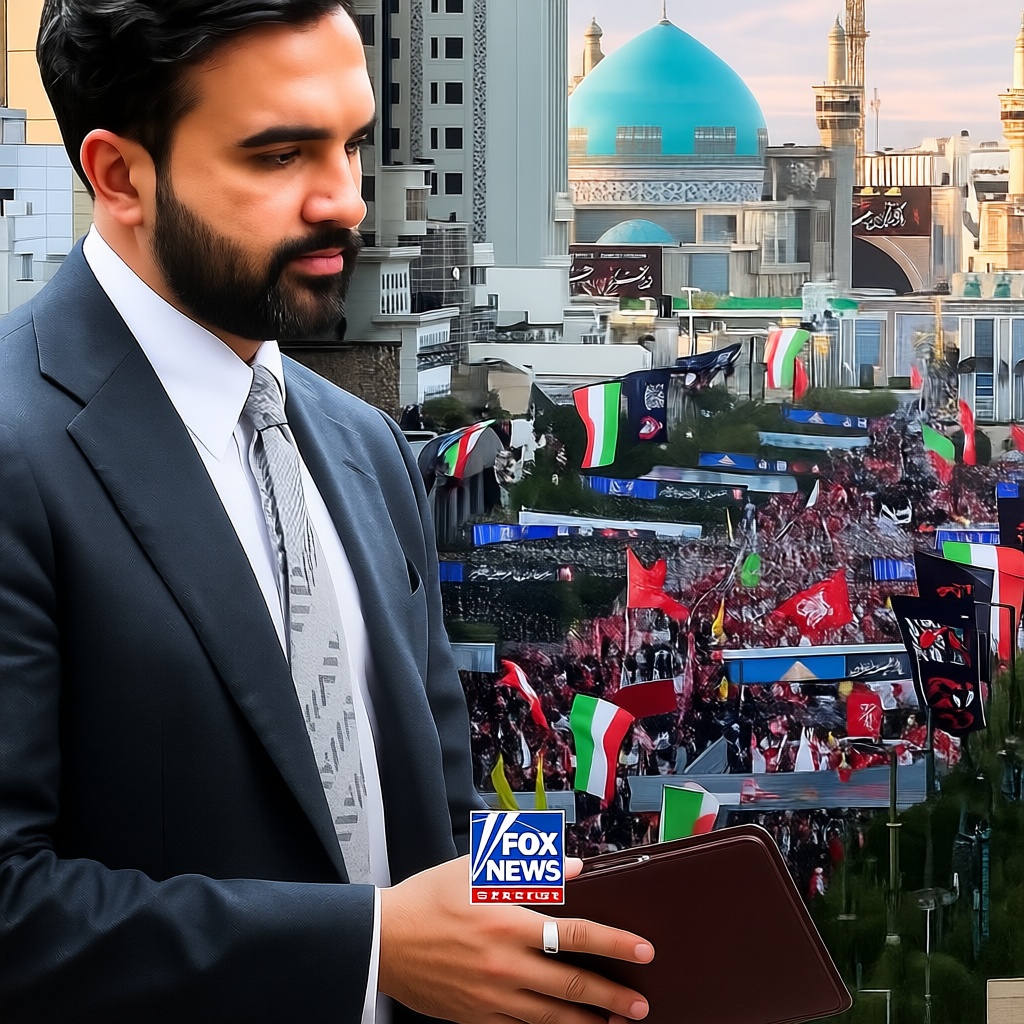
In a startling move reflecting escalating U.S.-Iran tensions, the Biden administration reportedly intervened to cancel a planned meeting between New York City Mayor Zohran Mamdani’s office and the Iranian Ambassador to the United Nations. Sources close to the matter indicate that a senior official within Mamdani’s office had been set to engage in discussions with Iran’s UN envoy, despite the backdrop of renewed military conflicts in the region.
The interference was publicly confirmed by a State Department official, who expressed vehement opposition to the planned meeting. “It is unconscionable that a New York City official would even consider meeting with the Iranian Ambassador to the U.N., a man who consistently works to undermine U.S. interests and whitewash his regime’s crimes against the United States, our allies, and Iran’s own citizens,” the official stated.
The timing of the cancellation comes amid a period of heightened military activity in the Middle East, with reports indicating an escalation of U.S. and Iranian strikes over the weekend. While local officials see potential diplomatic opportunities, the federal government’s stance underscores a broader strategy of isolation and confrontation with Iran. The move also reflects ongoing concerns about Iran’s influence within the United Nations and its efforts to sway international opinion amid a tense geopolitical climate.
Mayor Mamdani, a rising progressive figure in New York City politics, has been known for his efforts to foster dialogue with diverse global actors. However, given the current administration’s hardline posture, any engagement with Iran has become a sensitive and controversial issue. Critics argue that such meetings could serve as avenues for diplomacy, while opponents contend they risk legitimizing Iran’s regime amid ongoing human rights abuses and regional destabilization.
Political analysts suggest that this incident underscores the deep divisions within U.S. domestic politics regarding foreign policy with Iran. The Biden administration has faced criticism from both sides—progressives advocating for engagement and diplomacy, and conservatives calling for strict sanctions and isolation.
As the situation evolves, many are watching to see how local and federal officials will navigate diplomatic efforts amid intense international scrutiny. The direct intervention to halt what might have been a routine diplomatic dialogue highlights the fragile state of U.S.-Iran relations and the heightened geopolitical tensions that continue to roil global affairs.
Where to Learn More
- U.S. and Iran Tensions Escalate as Military Strikes Resume – The New York Times
- NYC Mayor’s Office Targeted as U.S. Blocks Iran Diplomatic Meeting – The Washington Post
- Clerics and Diplomats Respond to Rising Middle East Tensions – BBC News
- The Future of U.S.-Iran Diplomacy in a Tense World – Foreign Policy