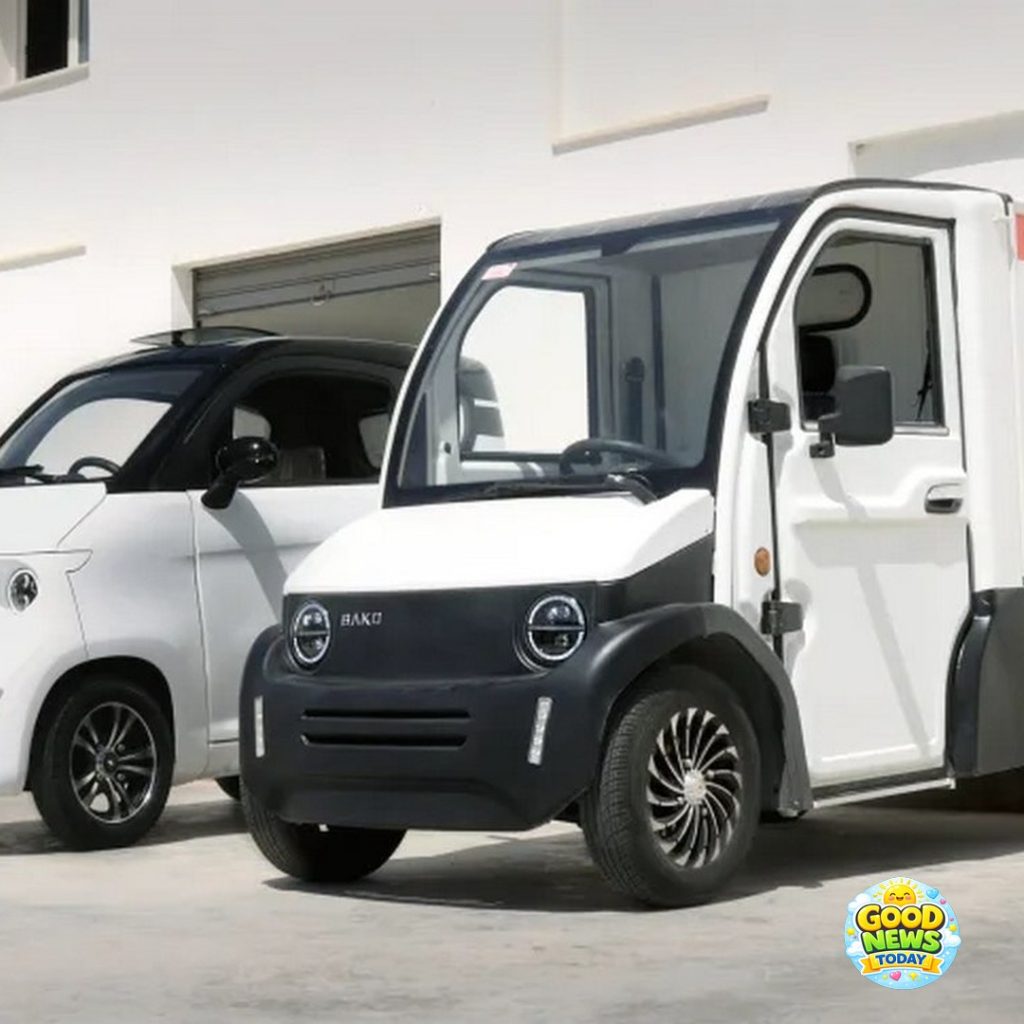
Tunisia is making exciting strides in the world of electric vehicles with Bako Motors, a company that is set to revolutionize the automotive landscape with its innovative solar-powered electric vehicles (EVs). Among their offerings are a compact delivery vehicle and a passenger car, both of which are already being produced and showcased in local showrooms across the sunny continent.
As highlighted by CNN, which was among the first to feature Bako Motors in the U.S., the potential for the EV market in Africa is immense. With many countries relying on imports for their vehicles, this sector is expected to be worth several billion dollars by the end of the decade. The simplicity of EVs, with fewer moving parts, makes them an ideal choice for Africa’s challenging road conditions. However, the lack of charging infrastructure has posed a significant barrier to their widespread adoption. Fortunately, the abundant sunshine in the region presents a unique opportunity. Bako’s vehicles are equipped with solar panels on their roofs, allowing them to harness this energy and provide up to 31 miles (50 km) of charge daily at no cost, significantly enhancing reliability.
Boubaker Siala, the founder and CEO of Bako Motors, shared that “the solar cells provide us with more than 50% of our needs.” He emphasized the practicality of their commercial model, the B-Van, stating, “You can have free energy for about 50 kilometers per day… that adds up to 17,000 kilometers (10,563 miles) per year. It’s huge!”
Remarkably, around 40% of the materials used in the vehicles are sourced from within Africa, including lithium-iron-phosphate batteries and steel. The B-Van is priced at approximately 25,000 Tunisian dinars ($8,500), while the Bee, a compact two-seater intended for city driving, is available for around $6,200. Although these vehicles aren’t built for speed— with the Bee having a top speed lower than many petrol-powered mopeds—a single sunny day can charge over two-thirds of the battery, leading to significant savings on fuel and electricity.
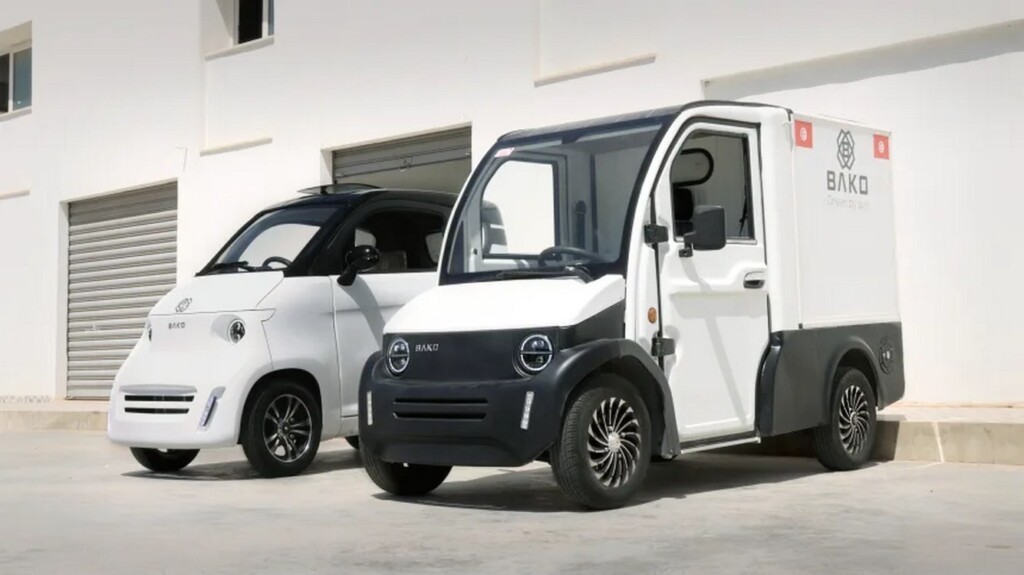
The B-Van boasts an impressive payload capacity of 800 pounds and offers a range of up to 162 miles, making it perfect for last-mile deliveries and supporting local artisanal businesses, particularly in picturesque areas like Sidi Bou Said, near historic Carthage, where promotional videos for the car were filmed.
Bako Motors has successfully completed the challenging phases of designing and constructing their manufacturing facilities. Now, they are focused on ramping up production at their plants in Saudi Arabia and Tunisia to reach a target of 8,000 vehicles annually, with plans to expand into European markets in the future.
Siala notes, “The addressable market in Africa is about 1 million vehicles per year. We have to prepare ourselves for this transition and offer affordable and quality products for the African citizen.” Their goal is to capture around 5 to 10% of this growing market, paving the way for a greener future in transportation.
With these promising developments, Bako Motors is indeed a shining example of how innovation and sustainability can come together to create positive change in Africa.