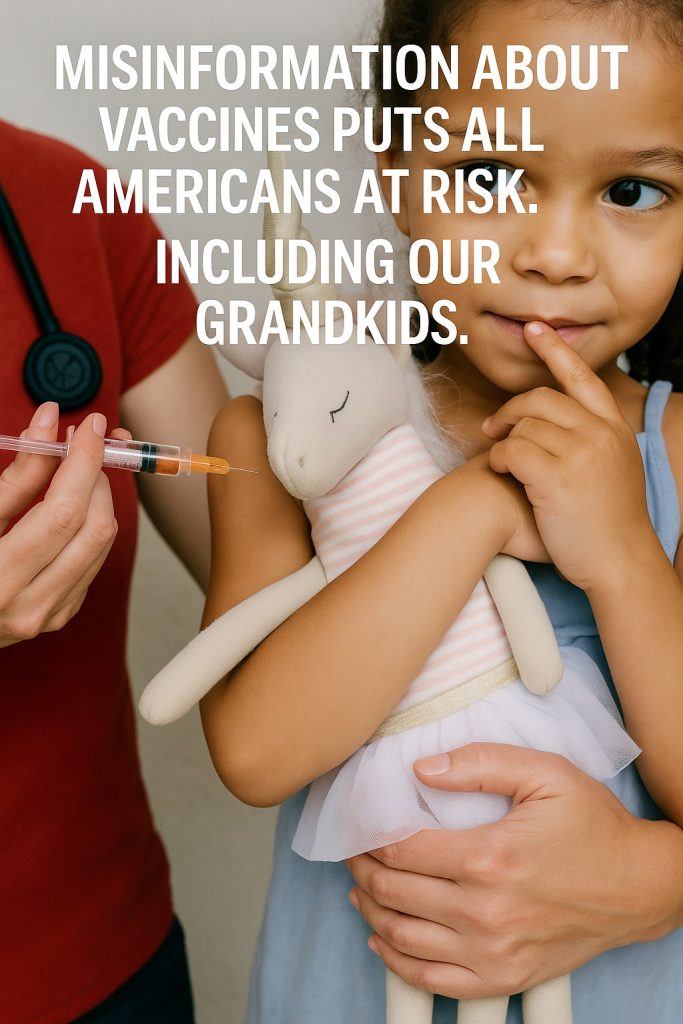
The resurgence of measles in the United States has reached alarming levels in 2023, with nearly 1,500 reported cases and at least three deaths attributed to this once-eradicated disease. Public health authorities and medical professionals are raising red flags, attributing this crisis to an alarming decline in public trust in vaccines, fueled by rampant misinformation and an undercurrent of parental anxiety over vaccine safety.
This year marks the worst outbreak of measles in over three decades, a stark indicator of the long-term impacts that misinformation campaigns have had on vaccine acceptance. Pediatrician Arthur Lavin from Ohio encapsulates the sentiments of health experts when he describes the situation as a product of “the unfortunate rise of misinformation, disinformation, and misguided parental anxiety” about vaccines. With the current measles epidemic serving as a stark reminder, the question looms: how did we arrive at this critical juncture?
In recent years, the spread of misleading information online—propagated through social media platforms and fringe websites—has weighed heavily on parents’ decisions regarding vaccinations. The CDC maintains that vaccination is not only safe but also vital in preventing outbreaks of diseases that once seemed relegated to history. However, erroneous claims about vaccine risks have led to a growing subset of the population opting out of vaccinations, leaving children—and communities—vulnerable.
Historically, measles was declared eliminated in the U.S. in 2000 due to high vaccination rates, with the MMR (measles, mumps, rubella) vaccine being 97% effective. Yet, while researchers and health organizations have tirelessly worked to uphold this standard, the combination of social media misinformation and growing skepticism towards traditional medicine has created a perfect storm. This climate of doubt is stoking fear in parents, resulting in declines in immunization coverage.
Public health officials stress that the stakes couldn’t be higher. Children who remain unvaccinated or inadequately vaccinated not only endanger their health but also pose significant risks to immunocompromised individuals, such as newborns and those with compromised immune systems who cannot receive vaccines. Such complications make widespread community immunity more critical than ever.
In light of the current epidemic, experts are advocating for renewed efforts to educate the public and dismantle the misconceptions surrounding vaccines. Initiatives aimed at debunking myths and sharing accurate information about vaccine safety are crucial in rebuilding the public’s confidence in immunization. Health professionals are urging parents to consult trusted sources and to discuss any concerns openly with their healthcare providers.
As America grapples with this measles epidemic, it is crucial for everyone—parents, health care providers, and community leaders—to stand together in combating misinformation. Protecting not only our children but also future generations depends on it.
Where to Learn More
- Measles Cases and Outbreaks – Centers for Disease Control and Prevention (CDC)
- Measles – World Health Organization (WHO)
- The Rise in Measles Cases is a Failure to Communicate – Pediatric News
- Measles Outbreaks in the U.S. and the Risk of Persistent Misinformation – National Institute of Allergy and Infectious Diseases (NIAID)
- The Power of Vaccination in the Era of Misinformation – Harvard Health Blog