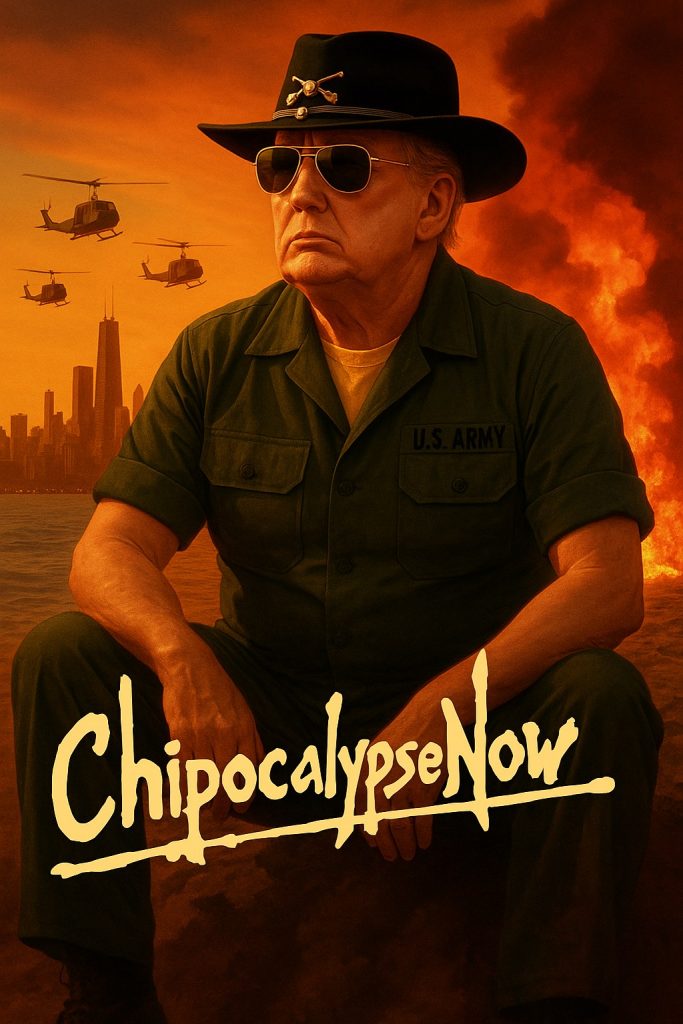
In recent months, social media platforms have erupted with discussions surrounding former President Donald Trump’s complex psyche, particularly focusing on themes of vengeance, power, and loyalty. Critics argue that these elements contribute to a psychological instability that some commentators go so far as to describe as bordering on the criminally insane.
Trump’s tenure was marked by a relentless pursuit of personal loyalty from his inner circle, a quest that many believe was rooted in a profound need for control. His public statements and actions often reflected a belief in his own supremacy—a notion that has led to comparisons with monarchical rule. Unlike typical political leaders, who leverage a coalition of advisors and experts, Trump sought to surround himself with individuals who echoed his sentiments and showcased unwavering loyalty.
“Loyalty is a two-way street,” Trump famously stated in one of his rallies. But many have interpreted this as a warning: disloyalty could lead to punishing repercussions. From the firing of FBI Director James Comey to his public denouncements of those who disagreed with him, Trump’s thirst for loyalty and power has often stirred controversy. Critics assert that such actions illustrate a dangerous blend of grandiosity and vendetta that can destabilize not just his inner circle, but the wider political landscape.
Furthermore, Trump’s apparent obsession with revenge was prominently displayed during and after his presidency. High-profile Twitter tirades and public insults directed at former allies have fueled the perception of a leader who cannot accept criticism or defeat. This is not merely a matter of personality but speaks to a broader psychological instability—one that experts caution could have severe implications for the fabric of American democracy.
According to political psychologist Dr. John Grover, the interplay of power and personal grievance in Trump’s behavior can cultivate a ‘vindictive nationalism.’ “When a leader is more invested in settling personal scores than in the responsibilities of governance, it breeds an environment of instability,” he notes. The fallout from this kind of leadership can cascade through various layers of government and society, potentially inciting further division among the populace.
In the context of the upcoming elections, this volatility poses critical questions about Trump’s influence and the political climate in America. His ability to rally support remains formidable, but the consequences of his retaliatory impulses and claims to power cannot be overlooked. In a system that demands checks and balances, the inclination to return to a royal-like dominance raises alarms about the respect for democratic processes.
As Trump continues to tap into these personal motivations, many analysts are watching closely to see whether his strategies will validate their concerns or transform into a stable political narrative. The appetite for power has rarely been as palpable, and its repercussions may resonate far beyond his immediate circle.
Where to Learn More
- The Loyalty Game: How Trump’s Leadership Leaves a Legacy of Division – The New York Times
- Vengeance as Governance: Understanding Trump’s Psychological Game – The Atlantic
- The Psychology of Power: Trump’s Authoritarian Tendencies – The Washington Post
- When Political Power Turns to Personal Vengeance – Vox
- The Psychology Behind Powerful Political Figures – Psychology Today