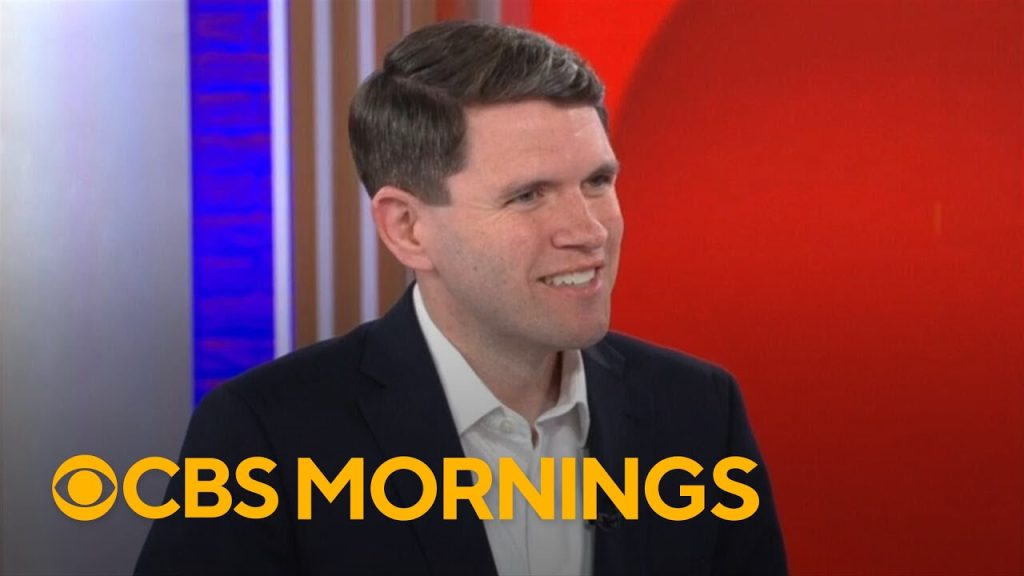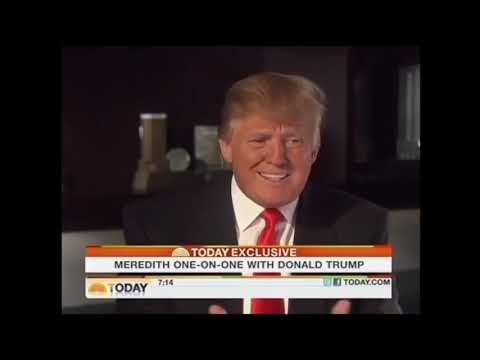
In a striking statement made in April 2011, former President Donald Trump expressed a strong opinion about government shutdowns, suggesting they represent a significant failure of leadership. “If there is a shutdown, I think it would be a tremendously negative mark on the president of the United States. He’s the one that has to get people together,” Trump stated. This remark provides an insight into the former president’s views on political responsibility and negotiation, especially during contentious legislative battles.
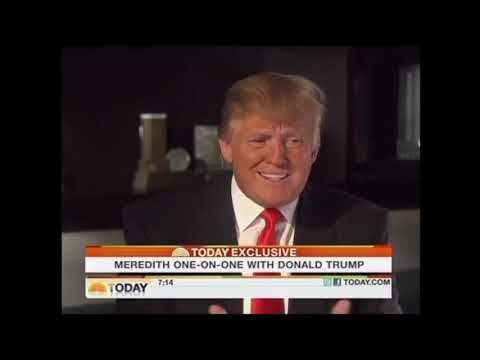
The context of Trump’s statement coincided with a critical period in U.S. politics, when tensions between Democrats and Republicans were heightened over budgetary discussions. The possibility of a government shutdown loomed large as both parties struggled to reach an agreement on fiscal matters. During such events, public sentiment can rapidly sway, leading to considerable pressure not just from constituents but also from the media spotlight.
Fast forward to today, the looming threat of another government shutdown has revived discussions about leadership, accountability, and the efficacy of political discourse in the nation’s capital. A government shutdown occurs when Congress fails to pass sufficient funding for government operations, leading to furloughs and disruptions. Historically, shutdowns have been politically damaging; the repercussions often extend beyond the immediate impact on federal employees and services, affecting the overall approval ratings of the sitting president and their party.
Trump’s reminder of the potential fallout from a shutdown highlights an ongoing pattern in U.S. governance where political brinksmanship can overshadow substantive policy discussions. For many, a government shutdown is a reflection of a system that struggles to foster bipartisan cooperation, raising questions about the influence of party loyalty over the common good.
As the nation grapples with fiscal responsibility and governance challenges, reflections from past leaders like Trump can serve as a useful lens for evaluating current circumstances. The political landscape continues to evolve, yet the need for unity and collaboration remains crucial.
Where to Learn More
- NPR – Comprehensive congressional coverage and analysis.
- BBC News – Up-to-date news and deep dives into political issues.
- Politico – Detailed political news and insider information in U.S. politics.
- CNN Politics – Breaking news and analysis of national political developments.
- The Washington Post – In-depth reporting on political events and trends.