
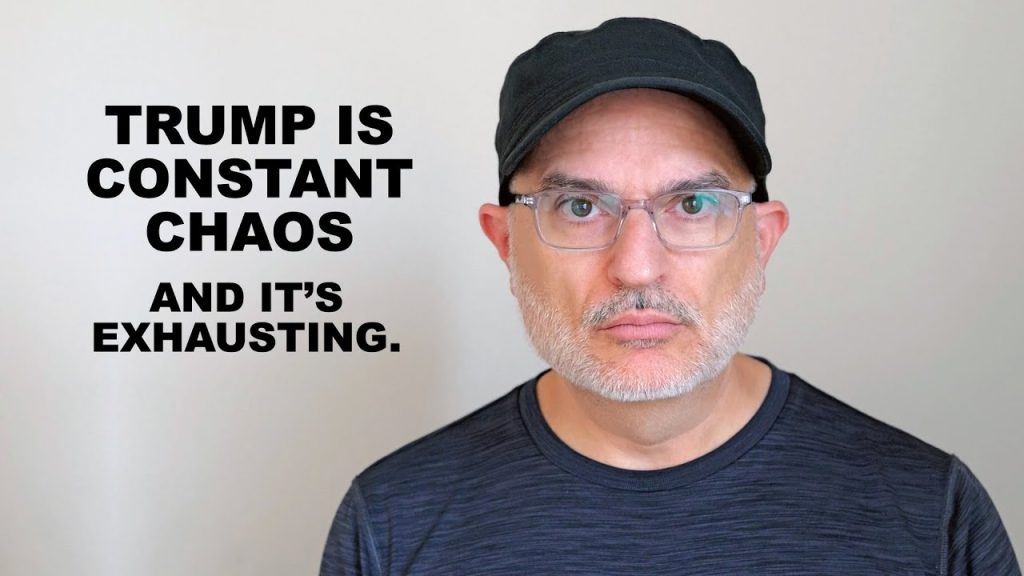
In a compelling analysis titled “Trump is Capt. Chaos,” the video dissects former President Donald Trump’s distinctive political strategy known as “flooding the zone.” This approach aims to inundate the media and public with vast amounts of information and decisions, creating an overwhelming environment. The video explores the advantages and inherent risks of this chaotic methodology, ultimately suggesting that it can lead to both paralysis in opposition and exhaustion among ordinary Americans.

At the heart of Trump’s strategy is the concept of overwhelming the opposition—especially the media and Democrats—by flooding them with so much activity that it becomes difficult for them to respond effectively. Throughout his presidency, Trump employed this tactic repeatedly, whether it was via social media, press conferences, or executive decisions. The video asserts that many view this bombardment as a brilliant maneuver, designed to keep opponents and media off-balance and reactionary.
However, along with the benefits of confusion for political adversaries, there lies a significant downside discussed in the video. The rapid pace and volume of change can exhaust average citizens, leaving them feeling overwhelmed and seeking stability amid the chaos. The analysis posits that while Trump’s strategy may paralyze the opposition, it equally stresses the public, who yearn for coherent leadership and reliable governance.
“Flooding the zone” also serves as a broader commentary on human psychology and political dynamics. The video highlights a psychological phenomenon where individuals trade personal liberties for stability. History reflects numerous instances where citizens have sacrificed freedoms in exchange for a sense of security, particularly during tumultuous times. This tendency can be exacerbated when leaders, like Trump, prioritize chaos over order, leaving the populace unsettled.
The presenter further elaborates that this dynamic could backfire. As the average American grapples with the firehose of information, concerns about stability may lead them to question the effectiveness of current leadership. If the barrage of news becomes too much, individuals may begin to crave a more measured approach, prompting a shift in their political allegiances.
Moreover, the relentless pace can divert attention from critical issues that require public discourse and thoughtful consideration. This, the video argues, creates a risky landscape for democracy where essential conversations are sidelined due to noise overload. In a world where the average person feels bombarded, the craving for stability might prompt a shift towards more traditionally stable forms of governance, even if that means sacrificing some freedoms.
Ultimately, “Trump is Capt. Chaos” raises vital questions about the sustainability of Trump’s strategy in the long run. As the analysis unfolds, it suggests that while the ability to overwhelm the opposition can yield short-term political gains, the longer-lasting implications could lead to disenchanted voters yearning for a return to steady leadership. In political science, this tension between chaos and control presents an ongoing conversation about the effects of leadership styles on democratic stability and citizen satisfaction.
In conclusion, as Trump continues to resonate with parts of the electorate through his unpredictable strategies, the challenge remains: will the chaos produce enduring support or will it alienate those searching for a more stable political climate?