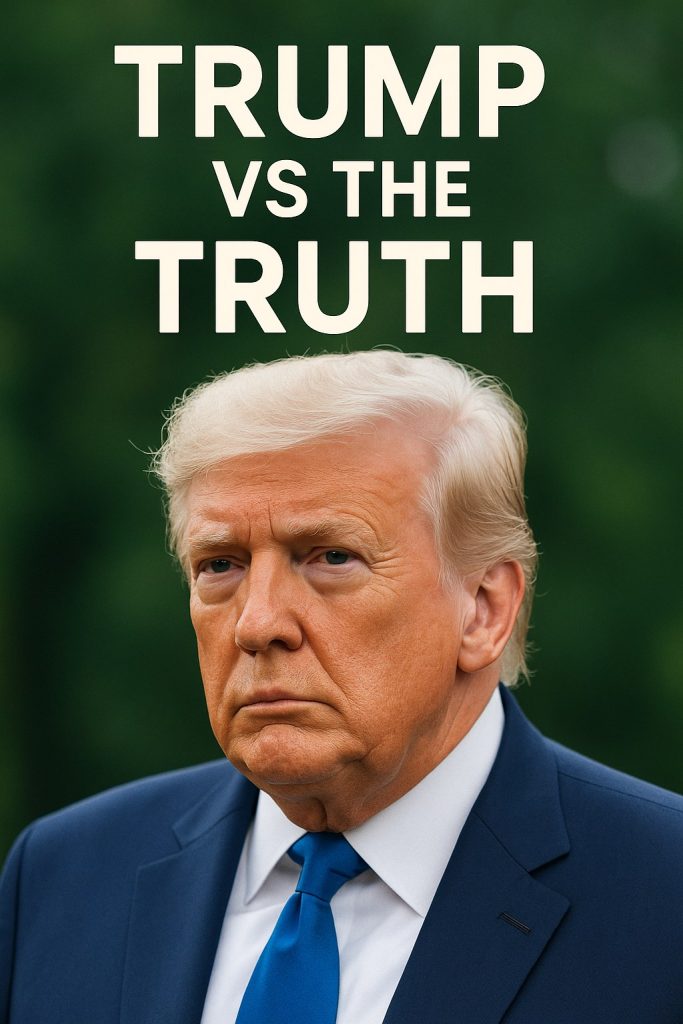
As the political landscape in the United States continuously shifts, the debate over the responsibility of media to hold leaders accountable has never been more pressing. The recent social media trend titled “Trump v the Truth” highlights an ongoing concern: the perceived inadequacy of rigorous fact-checking during the Trump administration.
In a world inundated with information, discerning fact from fiction becomes increasingly challenging, especially when it comes to political discourse. The phrase “Trump v the Truth” encapsulates what many perceive as a fundamental struggle in American media—one that involves not just the Trump era but also the broader implications for journalism and democracy. Supporters of this viewpoint argue that the mainstream media failed to consistently challenge falsehoods propagated by Donald Trump and his administration, allowing misinformation to permeate public consciousness.
According to a recent study by the Pew Research Center, a staggering percentage of Americans believe that misinformation is a significant issue in today’s political environment. The study reveals that more than half of the respondents feel overwhelmed by the amount of information available, signaling a clear demand for responsible journalism that prioritizes factual accuracy over sensationalism.
Critics point to several instances where the media fell short of rising to the occasion. For example, Trump’s assertions regarding voter fraud during the 2020 election were repeatedly debunked by various fact-checkers, but major news outlets often struggled to provide timely and robust coverage of these false claims. Commentators, such as Jonathan Chait from New York Magazine, have called out the hesitancy of certain networks to label clear falsehoods as lies, arguing that this ambivalence creates a dangerous precedent.
The viral trend not only serves as a critique of past media practices but also raises alertness about the need for transparency and accountability in reporting. Advocates argue that journalists must prioritize fact-checking and provide context to statements made by politicians, especially when such statements can influence public policy and opinion.
As misinformation continues to pose a significant challenge, many media outlets are responding by revamping their fact-checking divisions and enhancing collaboration with independent organizations specializing in verifying claims. This effort aligns with a growing movement towards transparency, where journalists disclose their sources and methodologies, hoping to rebuild trust among skeptical audiences.
“Trump v the Truth” acts as a rallying cry for a renewed commitment to factual reporting in a digital age, where misinformation can spread like wildfire. As the election cycle gears up for 2024, the call for more rigorous fact-checking is louder than ever, underscoring the role of the media as a watchdog of democracy, not merely as a conveyor of soundbites.
As we move forward, it’s crucial for both journalists and consumers of news to remain vigilant. Understanding the difference between sensationalism and factual reporting can make a difference in fostering informed public discourse. With elections looming and the stakes higher than ever, both the media and viewers must rise to the occasion to ensure truth prevails.
Where to Learn More
- The Challenges of Misinformation in the U.S. Politics – Pew Research Center
- Why the Press Struggles with Trump’s Lies – New York Magazine
- Fact-Checking in the Age of Trump – The Guardian