
The Trump administration is moving to push millions more Americans off food assistance, and the fallout would reach all the way into school cafeterias. A proposed U.S. Department of Agriculture rule would end a long-standing state option known as “broad-based categorical eligibility” for the Supplemental Nutrition Assistance Program, or SNAP. By the USDA’s own estimate, about 6.3 million people would lose SNAP, and 1.78 million children would lose automatic eligibility for free school meals.
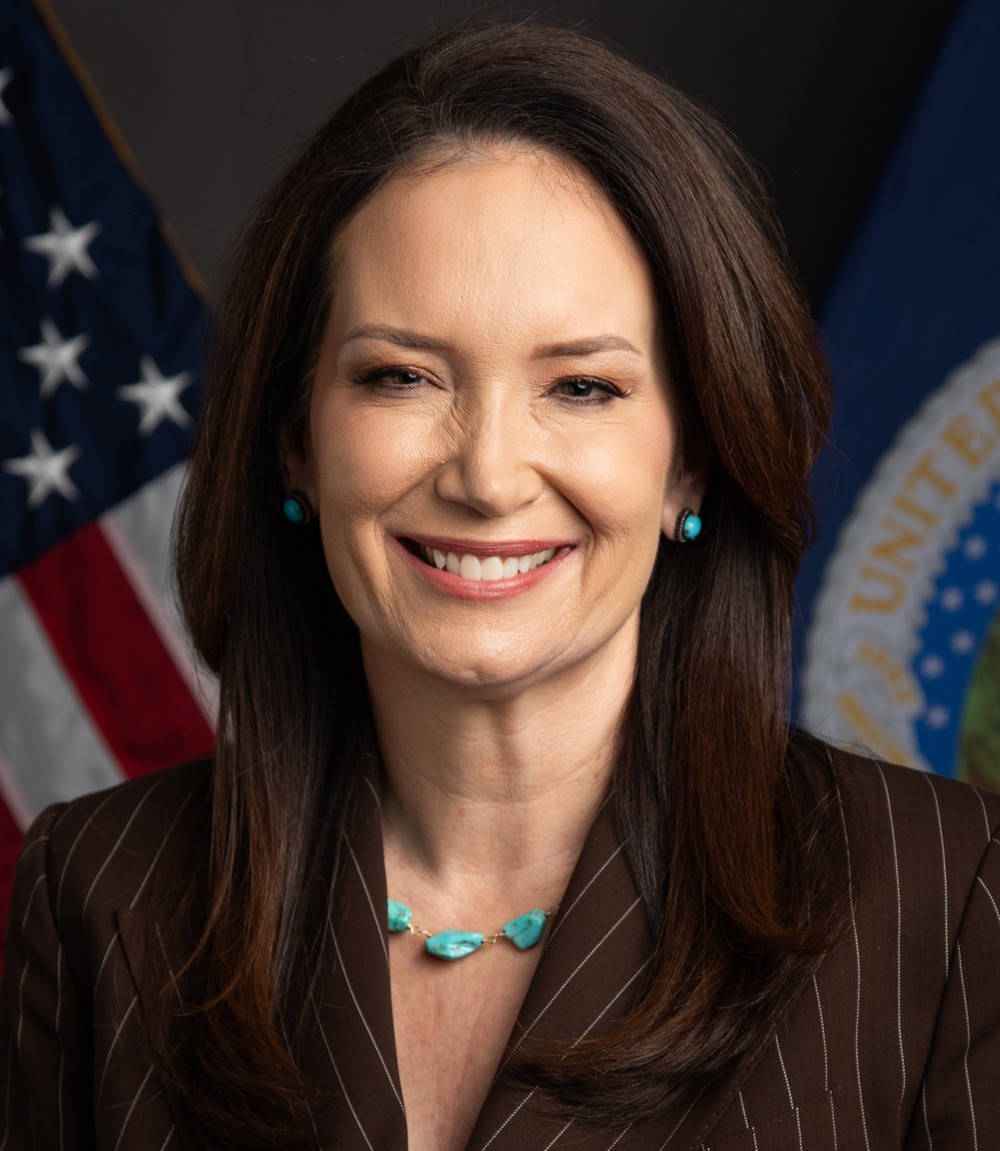
On Thursday, Nov. 19, 214 House Democrats, led by Rep. Angie Craig of Minnesota, the top Democrat on the House Agriculture Committee, sent a letter to Agriculture Secretary Brooke Rollins demanding she “immediately rescind” the proposal, calling it “both illegal and cruel.” The same day, The Washington Post reported on what the change would mean for students who rely on free lunch.
What the rule would actually do
Right now, households that receive benefits from a state program funded by Temporary Assistance for Needy Families (TANF) are automatically eligible for SNAP. That includes not just TANF cash aid but also non-cash TANF-funded services such as childcare help, job training or informational materials. Under broad-based categorical eligibility, 46 states and territories use that link to raise SNAP’s gross income limit (up to 200% of the poverty line instead of 130%) and to loosen or waive the asset test, so working families aren’t cut off the moment they get a raise or save a little money.
The USDA’s proposal, formally titled “Supplemental Nutrition Assistance Program: Reforming Categorical Eligibility,” would limit automatic eligibility to households that actually receive TANF cash assistance. Everyone else would have to meet SNAP’s stricter federal income and asset limits. The rule was published in the Federal Register on Nov. 10, and the department says it would reach full effect in fiscal year 2029. The administration says the change closes a “loophole” and would “preserve benefits for the truly needy.”
The numbers, from the USDA’s own analysis
- About 6.3 million people in roughly 3.2 million households would lose SNAP, nearly 18% of current recipients, according to the agency analysis reported by CNBC.
- 1.78 million children would no longer be automatically eligible for free school meals because their families would lose SNAP.
- USDA estimates most of those children (about 1.66 million) could still get free meals, but only by going through a separate certification process. About 93,000 would move from free to reduced-price meals, and about 28,000 would lose free or reduced-price meals and pay full price, K-12 Dive reported.
- About 42,000 children could lose Summer EBT (“SUN Bucks”) grocery benefits, worth $120 per child each summer, starting in summer 2029.
- The draft estimates the change would save $44.6 billion between fiscal 2027 and 2031, Bloomberg Law reported.
Anti-hunger advocates say the real damage could be worse. The Food Research & Action Center (FRAC) estimates more than 7 million people, and possibly up to 10 million, could lose SNAP. FRAC also warns that high-poverty schools could lose access to the Community Eligibility Provision, which lets them serve free meals to every student, if fewer of their families are enrolled in SNAP.
“Eliminating BBCE would reduce access to free school meals, making children hungry at home and at school,” FRAC said in a statement.
On top of 5.5 million who already lost SNAP
The proposal lands on top of the SNAP cuts in the 2025 Republican tax and spending law Trump signed in July 2025. More than 5.5 million people have already lost SNAP benefits since then, bringing enrollment to about 36 million, according to USDA data cited by CNBC and Bloomberg Law. The Washington Post noted that those earlier changes also led to the loss of free school meals for some students.
The first Trump administration tried a narrower version of this idea in 2019. The Biden administration withdrew that proposal in 2021.
214 House Democrats: ‘Illegal and cruel’
In their letter, the Democrats argue that USDA doesn’t have the authority to make the change, noting that Congress deliberately left broad-based categorical eligibility in place in the 2018 farm bill after House Republicans tried to roll it back.
This rule will increase hunger, cost states more, exacerbate the affordability crisis for millions and make passing a farm bill more complicated.
The lawmakers wrote that affected seniors and families would lose an average of nearly $200 a month in food assistance, “which is often the difference between putting food on the table and being late on rent.” They also pointed out that the option has been used by “red and blue states alike for nearly 30 years,” including Republican-led states such as Ohio and Tennessee, which have recently opted in or expanded their use of it.
“Hunger is not a political issue. It is a human issue. And this proposed USDA rule does nothing but punish people for being poor,” said Rep. Alma Adams of North Carolina, who signed the letter. When the rule was first released, Craig called it “heartless and cruel.”
It isn’t final yet
This is a proposed rule, and the public can still weigh in. The USDA’s comment period is open until Thursday, Dec. 10, 2026. Comments can be submitted through the federal regulations portal under docket number FNA-2026-0661, “Supplemental Nutrition Assistance Program: Reforming Categorical Eligibility.” The department has to review public comments before it can finalize the rule.