

President Donald Trump said Saturday that he would work with the incoming Democratic Congress to cap credit card interest rates at 10%, reviving a 2024 campaign promise that went nowhere this year because of pushback from the card industry and a lack of interest from his fellow Republicans, the Associated Press reported.
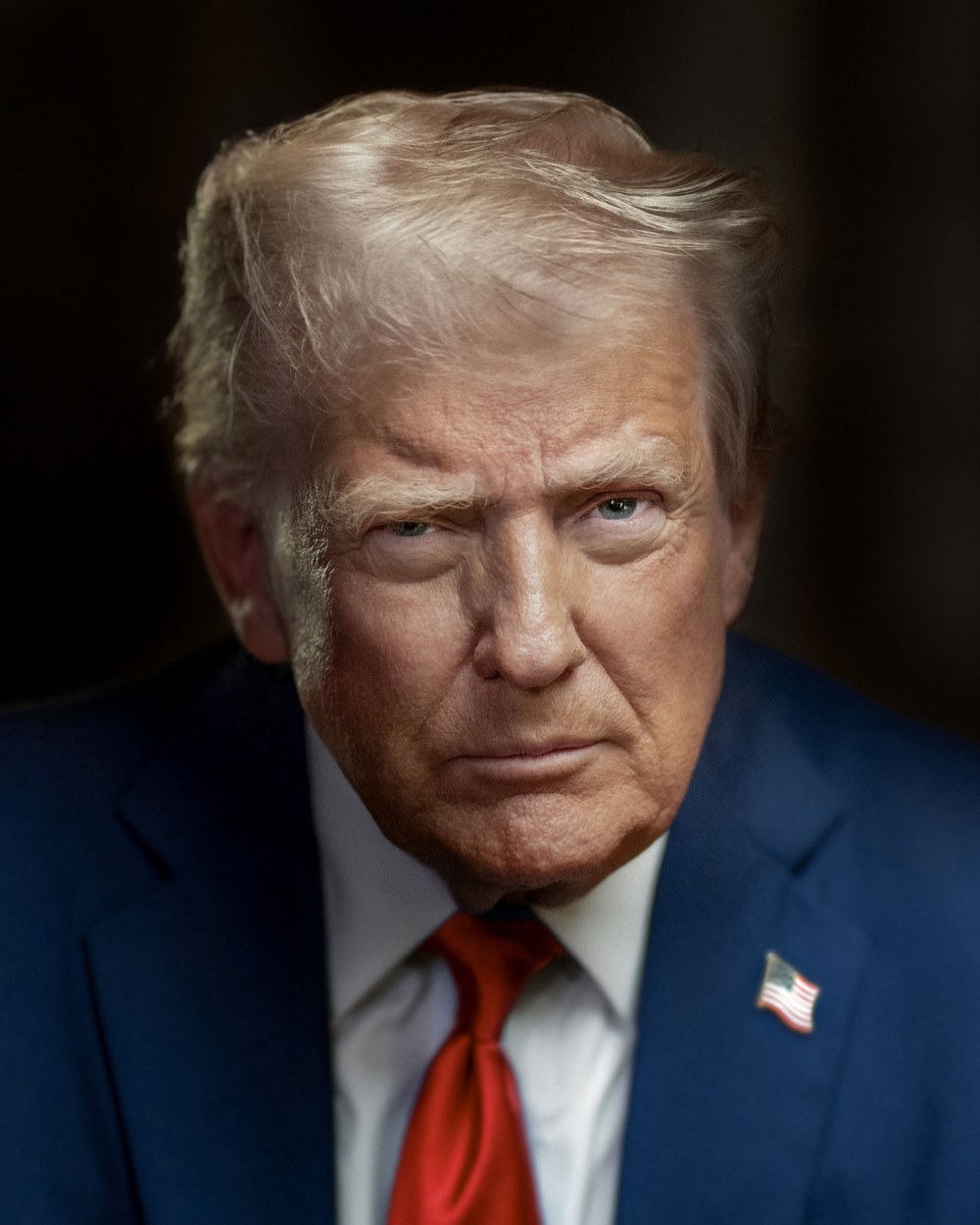
Asked by host Kayleigh McEnany on Fox News Channel’s “Saturday in America” whether a one-year, 10% cap was something he could do with Democrats in the next Congress, Trump didn’t hesitate.
I would do it. These credit card companies have made a lot — and the credit card fees that they charge. I’m all into it.
President Donald Trump, on Fox News Channel’s “Saturday in America”
He brushed off the objection he expected from the right. “I know that some people would say it’s not free enterprise, but what’s free enterprise when you’re sitting home and you get a bill that some guy set up in an office on Park Avenue and they said, ‘Let’s charge a fee that’s too high’? So I’m all for that,” Trump said. “The credit card companies, they’re getting too much. The fees are too high and the interests are too high.”
Trump also said he hadn’t known Democrats had been pushing the idea when he first backed it. “I didn’t even know they said it, but they’ve been trying to get that for years,” he said, according to Mediaite.
Warren: “Let’s cap credit card interest rates”
Democrats answered within hours. Sen. Elizabeth Warren of Massachusetts, the top Democrat on the Senate Banking Committee and, as Axios noted, poised to become its chair when Democrats take over in January, replied on X:
Let’s cap credit card interest rates and save Americans money.
Sen. Elizabeth Warren (D-Mass.), on X
It was a notably warm reply from a senator who, two weeks earlier, had said that if Trump “wants to be Mr. Veto, let’s test that out,” as Common Dreams noted. Warren had already offered to work with him on this one. “President Trump himself said that he wants to reduce interest rates on credit cards to 10 percent,” she told CBS’ “Face the Nation” on Nov. 8, Newsweek reported. “I got the bill. I’m ready to go.”
Support came from the other side of the aisle too. “The President is right. Let’s pass my bill to cap credit card interest fees,” Republican Sen. Josh Hawley of Missouri wrote on X.
A promise that stalled under a Republican Congress
Trump has made this pledge before. On the 2024 campaign trail he said, “We’re going to cap it at around 10 percent. We can’t let them make 25 and 30 percent,” according to Newsweek. In a Truth Social post in January, he called for a one-year, 10% cap starting Jan. 20, 2026, saying Americans were being “ripped off” by card companies charging rates of 20% to 30% or more.
Jan. 20 came and went with no cap. Nothing came of the threat, Axios reported, though the idea alone was enough to push card issuers’ stocks lower.
A cap would almost certainly need an act of Congress, and Republican leaders weren’t interested. Senate Majority Leader John Thune told Politico the proposal was “not something I’m out there advocating for — let’s put it that way,” and Sen. Thom Tillis of North Carolina, a Banking Committee member, said he was “totally against” it. House Speaker Mike Johnson said at the time, “The president is the ideas guy.”
The legislation already exists. In February 2025, Hawley and Sen. Bernie Sanders, the Vermont independent who caucuses with Democrats, introduced a bill to cap card interest at 10% for five years. Rep. Alexandria Ocasio-Cortez (D-N.Y.) and Rep. Anna Paulina Luna (R-Fla.) lead the House version. It stalled in the Republican-controlled Congress.
What a 10% cap would mean for your bill
Card rates today are far above 10%. Among accounts that were actually charged interest, the average rate at commercial banks was 22.36% in the third quarter of 2026, according to Federal Reserve data. The average card rate tracked by Bankrate was 19.71% in early November, Common Dreams reported.
And Americans are carrying more card debt than ever. Credit card balances rose $22 billion in the third quarter to a record of about $1.29 trillion, up 4.2% from a year earlier, the Federal Reserve Bank of New York reported Nov. 10.
For a rough sense of the stakes: someone carrying a $5,000 balance all year at 22% would owe about $1,100 in interest, before compounding. At 10%, that’s about $500. The people who would gain most are the ones who can least afford to pay off their cards each month.
The banks are already pushing back
The industry has fought the idea hard. In a joint statement earlier this year, several banking groups called a 10% cap “devastating” for millions of Americans and warned that lenders would cut back on credit and push borrowers toward costlier options, Fox Business reported. Credit unions claimed a cap could cut more than 47 million people off from cards, according to Axios.
Supporters argue that a cap would save consumers billions of dollars a year, Axios noted, while the industry says it would deny credit to millions by making lending too risky.
Watch: Trump on “Saturday in America”
Fox News’ official video of President Trump’s full Saturday interview with Kayleigh McEnany, which also covered bipartisanship, the recent FBI hack and his trip to China:
What Democrats can do now
With majorities in both chambers starting in January, Democrats will decide which bills reach the House and Senate floors. That means the Republican leaders who kept a cap off the agenda this year will no longer control it. A bill that passes both chambers would put the question right on Trump’s desk, after he has said on national television that he would do it.
There are still hurdles. Most bills need 60 votes to advance in the Senate, Newsweek noted, and the banking lobby is not going away. Axios also noted it isn’t yet clear how high Democrats will rank the cap once they take control.
- Whether Warren and Hawley move a bill early in the new Congress, and whether it’s a one-year cap like Trump’s or a five-year cap like the Sanders-Hawley bill.
- Whether enough Senate Republicans join Hawley to clear a 60-vote threshold.
- Whether Trump keeps backing the cap if it reaches his desk, as the banking industry steps up its push against it.
This report draws on reporting from the Associated Press, Axios, Fox Business, Newsweek, Mediaite and Common Dreams, plus data from the Federal Reserve and the Federal Reserve Bank of New York.