
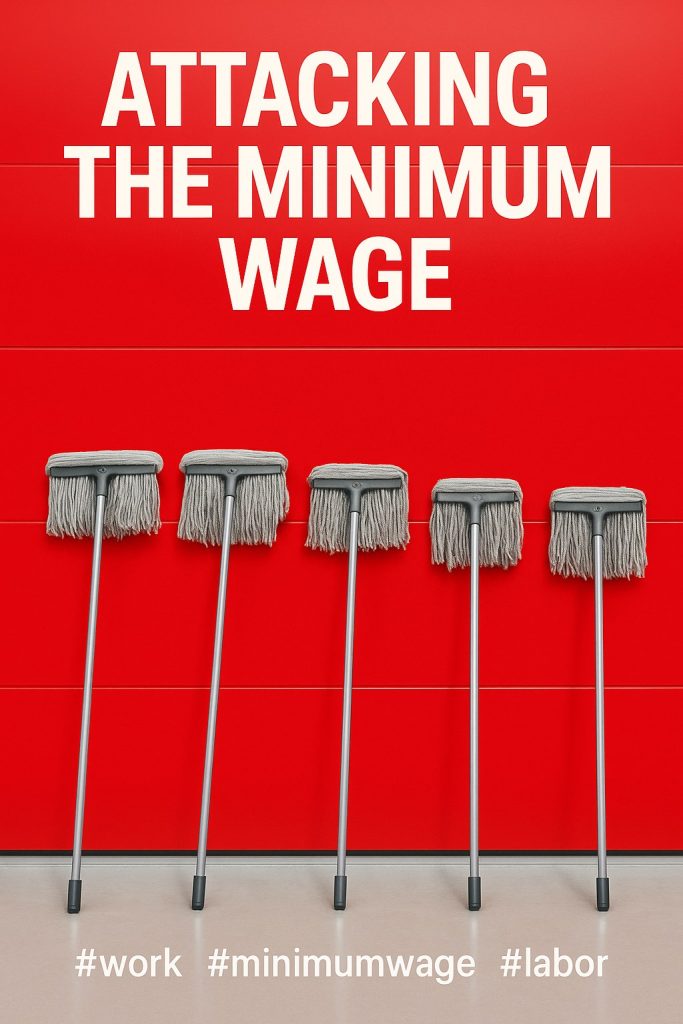
In a controversial move that has captured national attention, former President Donald Trump and his team are making significant waves by proposing to dismantle minimum wage protections specifically designed to aid federal contractors, home care workers, and individuals with disabilities. This new frontier in labor policy is garnering both fierce support and vehement opposition as the debate unfolds on social media and in public forums.
Trump’s strategy appears to align with his overarching agenda aimed at deregulating various sectors of the economy. Advocates for the changes argue that removing minimum wage requirements for certain federal contracts could promote job creation and lead to reduced costs for government contracts. “Government needs flexibility to procure services without the burden of excessive wage requirements that can lead to less efficient spending,” stated a spokesperson for Trump.
However, critics are raising alarms about the potential ramifications of such actions on vulnerable populations who rely heavily on these protections. Home care workers, for instance, often provide essential services to the elderly and people with disabilities, and many are already struggling to make ends meet. Removing minimum wage standards could exacerbate these challenges, leading to decreased service quality and higher turnover rates among caregivers.
“This proposal is nothing short of an attack on the dignity of work,” said Maria Johnson, a spokesperson for a national advocacy group for home care workers. “Many of these workers are the backbone of our healthcare system, and undermining their wages puts countless lives at risk.” The ramifications of moving away from fair wage standards could ripple across other sectors as well, particularly where labor-intensive roles are essential.
The potential impact on disabled workers is equally significant. Many of these individuals rely on minimum wage protections not just for their income but to promote inclusion and empowerment within the workforce. Without these safeguards, the risk of exploitation increases, pushing vulnerable workers deeper into financial instability.
As this policy proposal begins to take shape, lawmakers across the aisle are voicing their discontent. Democratic representatives have taken to the floor to denounce the plan, insisting that maintaining a living wage for all workers—especially those serving our most vulnerable populations—is non-negotiable. Many citizens are also vocally opposing this initiative on social media, rallying support under hashtags such as #WorkForAll and #FairWages.
The proposal is now set to undergo public scrutiny, and experts predict hundreds of public comments will flood in as stakeholders from various sectors weigh in. It is anticipated that the feedback could heavily influence the path forward—or potentially stall any moving legislation. It remains to be seen if this tactical maneuvering will gain traction, as public pushback may necessitate a reevaluation of Trump’s labor policies.
As the discussion surrounding minimum wage protections continues to unfold, the conversation highlights the broader implications of labor policies in a post-pandemic economy. Balancing cost efficiency with the moral responsibility to protect the livelihood of the vulnerable is a task that lies ahead for both policymakers and citizens alike.
Where to Learn More
- Trump’s Attack on Minimum Wage Protections – The Guardian
- Federal Contractors Face Wage Changes as Trump Proposes Minimum Wage Revisions – The New York Times
- Home Care Workers Speak Out Against Proposed Wage Cuts – The Washington Post