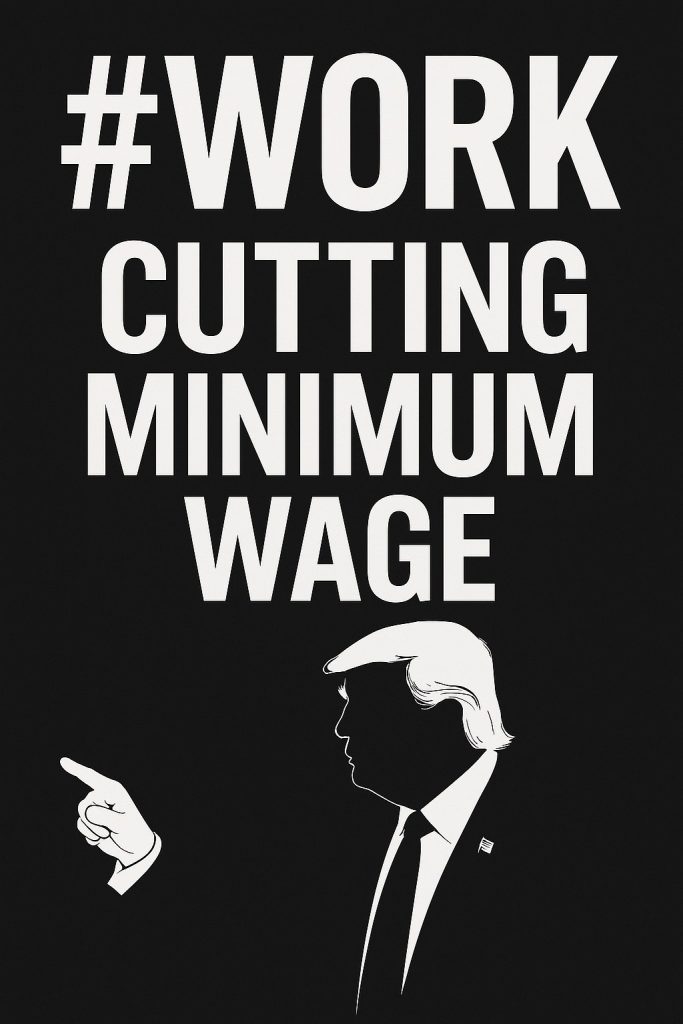
In a controversial move that has ignited significant debate on social media, the Trump administration is reportedly set to challenge minimum wage protections that currently safeguard federal contractors, disabled individuals, and home care workers. Advocates for these groups warn that such actions could dismantle crucial financial supports at a time when economic recovery remains fragile.
The White House’s proposed changes are being interpreted as a pivotal shift in labor policy, prioritizing budget cuts over worker protection. This brewing storm over minimum wage standards comes amid ongoing discussions about the socioeconomic impact of the COVID-19 pandemic, which has disproportionately affected low-wage workers, particularly those in service jobs.
Background: The Fair Labor Standards Act of 1938 was designed to protect workers by establishing a federal minimum wage, promoting equitable pay for a diverse workforce, and ensuring fair working conditions. However, recent reports indicate that the current administration is seeking to roll back these protections for specific categories of workers who are utilized by federal contracts.
Federal contractors constitute a significant portion of the workforce, and the implications of decreased minimum wage protections could pose risks not only to them but also to disabled workers and home care aides, who are often barely scraping by. These positions are already known for controversial pay scales, and the potential changes could exacerbate existing economic disparities.
Critics, including labor rights organizations and advocates for disability rights, argue that such measures will hit the most vulnerable workers hardest. “It’s an outright attack on some of our country’s most essential workers,” said Erica Lewis, a spokesperson for the Coalition for Workers’ Rights. “These protections ensure that people with disabilities aren’t forced to live in poverty just to receive the care they need.”
Supporters of these changes within the Trump administration argue that they would foster a more business-friendly environment and potentially lead to an influx of federal contracts. “Eliminating automatic and mandated wage increases could attract more companies to bid for federal contracts,” a senior administration official remarked during a private briefing.
As the debate heats up, many are asking: at what cost to workers? The administration’s potential actions are raising alarms that echo similar challenges faced during previous deregulation efforts. Advocates for worker rights fear this could initiate a broader trend in labor policy that undermines the hard-won gains of the last several decades.
With economic recovery strategies still being shaped, this new frontier of labor policy appears poised for intense scrutiny. It remains to be seen how grassroots movements and advocacy groups will mobilize in response to these proposed changes, but one thing is clear: the fight for fair wages and protections for workers is far from over.
Where to Learn More
- Trump Administration’s Attack on Minimum Wage Protections – The New York Times
- Federal Contractors React to Proposed Wage Cuts – The Washington Post
- What Trump’s Proposed Minimum Wage Changes Could Mean for Workers – Forbes