In an inspiring turnaround, the Don River in Toronto has transformed from a heavily polluted waterway, once infamous for catching fire, to a thriving ecosystem teeming with life. Today, it boasts over 20 species of fish, showcasing a remarkable revival that highlights the power of environmental restoration.
The journey to rejuvenation required a significant investment of CAD$1 billion in restoration efforts. For the first time in nearly anyone’s memory, the Don River is now clean and suitable for fishing. Ecologists have recently confirmed the presence of various fish species, including Atlantic salmon, largemouth bass at all life stages, and the native warm-water fish, the emerald bowfin.
The Toronto and Region Conservation Authority (TRCA) conducted an extensive survey of the Don River, its watershed, and newly-restored wetlands, revealing encouraging results that can only be described as a clean bill of health.
Historically, industrialization in the 1800s led to the canalization of the Don River, forcing it into straight, unnatural paths that diverted it away from the inner harbor. This alteration accelerated water flow and diminished the river’s natural wetland surroundings, leading to frequent flooding for decades.

Restoration efforts focused on reversing these changes. Wetlands were created from previously infilled land, and the river’s course was adjusted to resemble its natural state. The project also included climate resiliency enhancements, new levees, and the establishment of a delta island named Ookwemin Minising, meaning “the place of the black cherry trees” in Ojibwa. This island will soon host around 5,000 new homes.
The revitalized river now features gravel beds essential for fish spawning, as well as both underwater and above-water vegetation providing shelter. In the first year of this new, blended nature and man-made valley, the diversity of documented fish has significantly increased.
Brynn Coey, a supervisor of aquatic monitoring and management at TRCA, shared the exciting news: “The fish community in general has definitely increased in the area. We’re seeing different life stages, including very juvenile, just born pumpkin seed sunfish, and we’re capturing underwater footage of massive largemouth bass in these wetlands.”
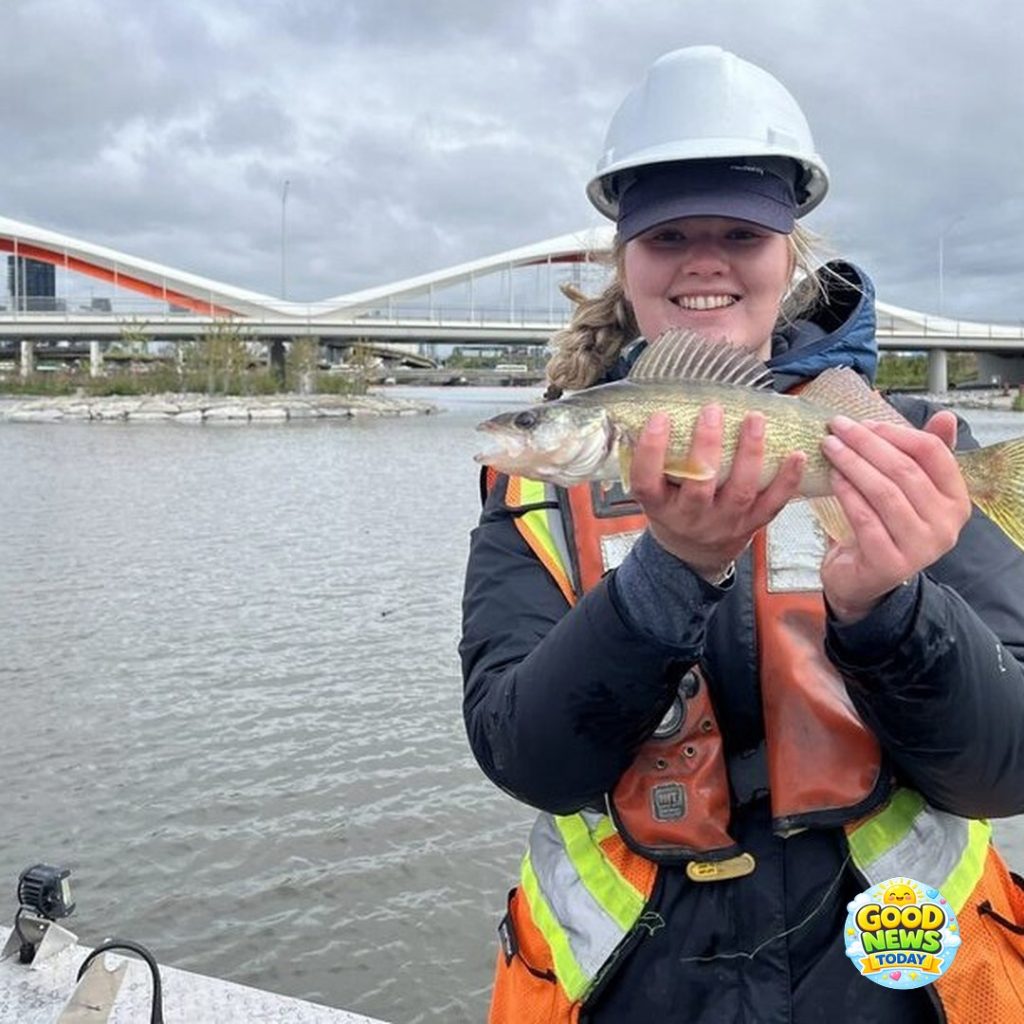
Alongside the bass, other predatory fish such as northern pike and walleye have also made a comeback, adding to the river’s rich biodiversity.
While these initial results are promising, Coey and her team remain dedicated to continuing their research on the river and its habitats. Considering that the Don River was declared biologically dead as recently as 1969, this remarkable recovery is a testament to the resilience of nature and the positive impact of concerted environmental efforts. The revitalization of this vital artery of Lake Ontario is truly a breath of fresh air for the community and the ecosystem alike.