
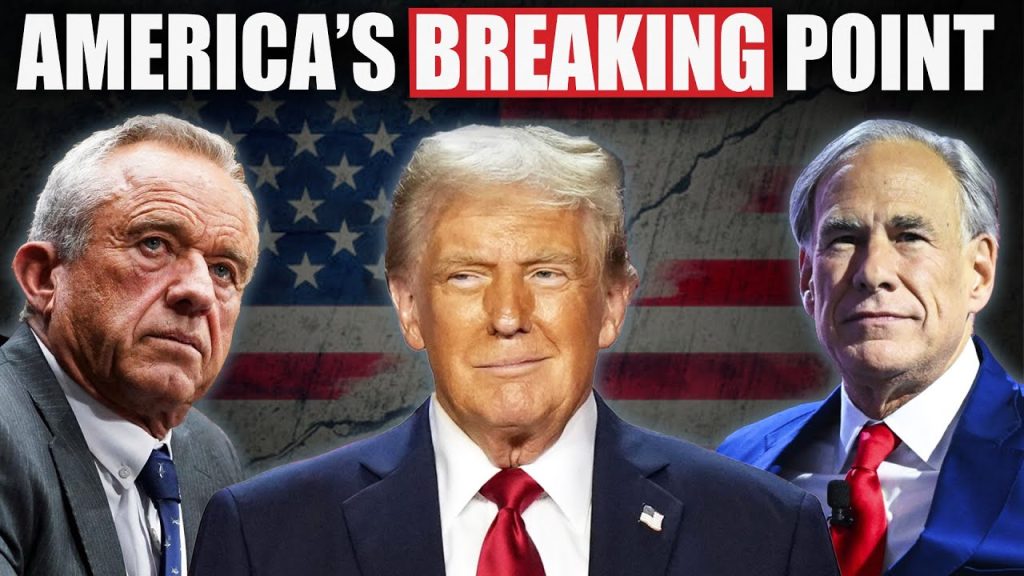
In a thought-provoking discussion, political commentators Steven Beschloss and his guest delve into the events of the past summer, coining it as America’s “Summer of Surrender.” This dialogue captures the essence of a political landscape that many feel has shifted significantly, giving former President Donald Trump greater leverage as the country navigates ongoing socio-political challenges.

Throughout the conversation, the speakers emphasize the importance of seasonal transitions as not merely calendar markers but as important milestones that can reflect and influence the political climate. Beschloss reflects on how the political journey from Memorial Day to Labor Day serves as a critical period of introspection and societal behavior. He notes the sentiments and activities that define these months and how they shape political engagement among citizens.
One of the central themes of their analysis is the lack of public activism during this summer period. Beschloss highlights a concerning trend where many individuals seem to have stepped back from public demonstrations and political engagement. Despite significant events, such as the “No Kings” protests in June that saw upwards of five million participants across the nation, he argues that this number still falls short of the collective power needed for meaningful change. The conversation reveals a desire for increased political mobilization and urgency among citizens, especially in the face of pressing issues.
Significantly, this “Summer of Surrender” reflects not just individual apathy but a broader cultural sentiment regarding the political landscape. The hosts articulate a growing concern that American democracy is experiencing a period of complacency, where citizens have retreated from the fight for their rights and freedoms. In recent years, Trump’s candidacy and subsequent presidency have created a charged atmosphere in which both supporters and opponents are forced to reassess their positions and strategies.
In their dialogue, Beschloss and his guest unpack the implications of Trump’s potential resurgence in political power, underscoring how a lack of public protest and activism may inadvertently embolden his influence. They propose that a more robust and visible political engagement is crucial in countering the former president’s narrative and regaining traction in the public sphere.
The discussion also touches upon the contrasting emotional tones associated with activism. While events like the “No Kings” protest provide a glimmer of hope for those wishing to challenge the status quo, there remains a call for more sustained and coordinated effort to effect change. They pose the question: how can concerned citizens translate their frustrations and hopes into actionable movements that challenge complacency and inspire engagement?
As summer gives way to fall, the discourse surrounding political duty and involvement takes on a renewed significance. The commentators urge a collective awakening, stressing the need for Americans to recognize the critical role they play in shaping the future of their democracy. With key elections looming and numerous societal issues at the forefront, the call for increased political engagement resonates strongly, suggesting that the upcoming months could be pivotal for the country’s political direction.
In conclusion, the conversation between Beschloss and his guest offers not only a retrospective analysis of the past summer but also a potent reminder of the importance of civic participation in a democracy. The “Summer of Surrender” serves as a cautionary symbol of what can happen in the absence of active citizen engagement, prompting a reflection on the struggles ahead and the collective efforts necessary to navigate them.