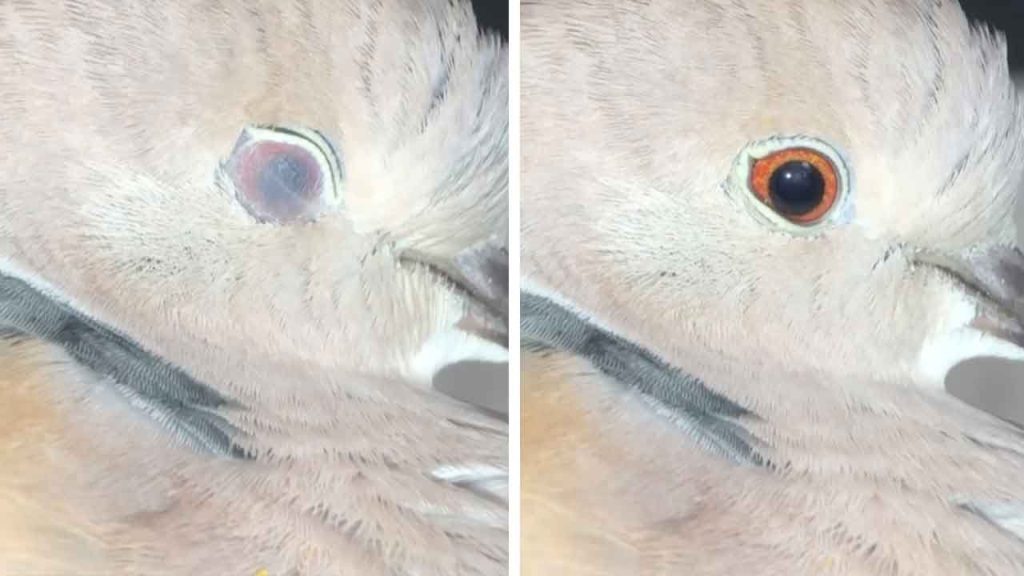
In April 2024, a newly published scientific experiment involving mice has ignited widespread debate and concern, earning the unsettling nickname of the “scariest ever” among researchers and social media circles alike. The study, conducted by a team of neuroscientists, undertook a bold and controversial approach that challenges ethical boundaries and pushes the limits of what science can and should do with living subjects.
The experiment’s primary goal was to explore the dark edges of animal cognition and emotional responses to fear — but what has made this research particularly disturbing is the method and the intensity of what the mice were subjected to.
Researchers engineered a sophisticated system to trigger and measure fear responses in mice by exposing them to virtually induced threats that mimic real-life predators. These threats were carefully designed to stimulate a hyper-realistic and sustained state of terror within the animals. Unlike traditional fear conditioning experiments, which typically employ limited stimuli like mild shocks or sounds, this new setup used a combination of immersive environmental changes, synthetic predator simulations, and artificial sensory triggers.
One of the experiment’s startling findings was the mice’s ability to sustain a heightened fear state over several days, which led to measurable changes in brain structure and behavior akin to severe anxiety or post-traumatic stress disorder (PTSD) in humans. The mice exhibited excessive stress hormone secretion, impaired cognitive function, and social withdrawal—effects scientists had never seen prolonged to such a degree before in animal models.
While the scientific data may yield valuable insights into anxiety disorders and trauma in humans, the experiment’s intensity and ethical concerns have sparked immediate backlash. Commentators highlight how this might be the most extreme use of fear induction ever recorded with laboratory animals, raising serious questions about the welfare and humane treatment of research subjects.
The ethical implications of replicating intense, almost torturous fear conditions in animals have dominated much of the discussion following the publication. Critics argue the research could set a dangerous precedent, where future studies might increasingly prioritize groundbreaking results over established moral limits. Supporters emphasize the potential breakthroughs in understanding fear-related mental illnesses and possible new treatments as justification for the approach.
Moreover, the study has invigorated the ongoing debate over the standards for animal testing worldwide, particularly in neuroscience and psychology. Calls for stricter regulations and clearer ethical frameworks are growing louder as public awareness rises around the real impact such experiments can have on animal wellbeing.
“This experiment forces us to reckon with the cost of scientific advancement,” said one expert. “The line between necessary research and cruelty is very thin, and this study has pushed right up to it.”
As the scientific community absorbs the full implications of this experiment, many expect a wave of new policies and ethical reviews targeting similar high-intensity research. Meanwhile, the images and descriptions of what the mice experienced continue to haunt conversations online, underscoring how powerful—and controversial—this experiment has become in 2024.
Ultimately, the “scariest ever” mice experiment is a stark reminder that the pursuit of knowledge must constantly balance innovation with compassion, lest we lose sight of the moral responsibility that comes with scientific discovery.