
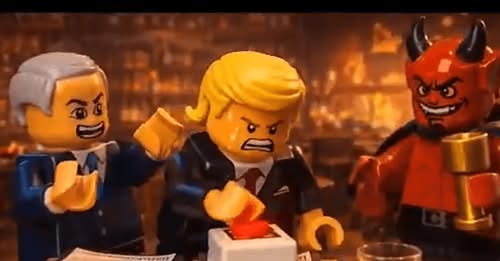
In recent weeks, a recurring social media refrain has captured a stark truth about the current U.S. presidency: “What makes the president so pathetic is also what makes this moment in history so incredibly dangerous.” This provocative statement underscores a paradox that critics and analysts alike are grappling with: the very vulnerabilities and shortcomings of the nation’s leader may be contributing to unprecedented threats facing the country.
This crisis isn’t solely about personality flaws or political missteps; it reflects deeper issues rooted in leadership stability, decision-making, and the erosion of institutional norms. For many Americans, the president’s unpredictable conduct, susceptibility to misinformation, and apparent detachment from civic responsibilities raise alarms about the integrity and resilience of the nation’s governance during a time of mounting global challenges.
At the core of this concern is the alarming realization that a leader’s perceived weakness or erratic behavior can be exploited by hostile actors, both domestic and foreign. Experts warn that in moments of crisis—whether geopolitical tensions, economic uncertainty, or social upheaval—a leader’s inability to project steady authority can embolden enemies, undermine alliances, and delegitimize democratic processes.
Moreover, the president’s vulnerabilities seem to have emboldened opponents to push their agendas with fewer constraints, testing the limits of democratic institutions. Critics argue that diminished respect for the office, combined with internal political chaos, creates a power vacuum that adversaries are eager to exploit. The credibility of U.S. leadership on the world stage is increasingly questioned, further weakening traditional alliances and strategic partnerships.
Meanwhile, supporters claim that these criticisms overlook the complex realities of modern leadership, emphasizing the importance of resilience and adaptability. Yet, critics contend that in a rapidly changing global landscape, what is often dismissed as “weakness” can become a dangerous vulnerability — especially when combined with the polarized political climate and erosion of institutional checks and balances.
The consensus among political analysts is that this moment in history demands strong, steady, and transparent leadership. The risks of inaction or continued instability aren’t just abstract concerns—they could have tangible consequences, including heightened geopolitical tensions, economic downturns, and increased societal divisions.
In essence, the social media refrain encapsulates a sobering truth: the personal flaws of leadership, when woven into a fragile political fabric, can magnify existing threats and set the stage for a perilous future. As citizens, lawmakers, and global partners watch anxiously, questions of accountability, leadership style, and governance have never been more urgent.