In an era where vocal criticism is often met with swift retaliation, recent events in the media landscape have sparked outrage and concern about the freedom of expression in American journalism. As major networks like ABC and CBS pull popular late-night hosts like Jimmy Kimmel and Stephen Colbert from their lineups, a deeper narrative emerges — one of intimidation and control.
For those tuned into the shifts taking place in the media world, it’s becoming increasingly clear: this isn’t simply a matter of programming choices. The high-profile removals of figures like Terry Moran from ABC and political analyst Matt Dowd from MSNBC coincide with the unsettling rise of censorship under the guise of corporate discretion.
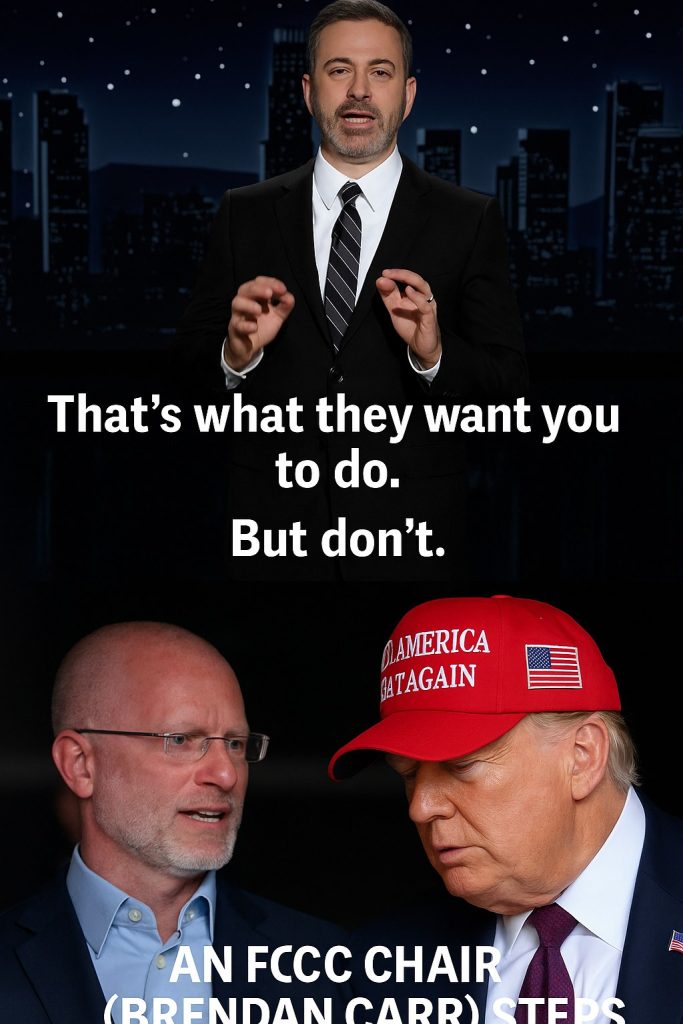
Brendan Carr, the current FCC chair, thrust himself into the spotlight with a recent statement warning of repercussions for media that don’t conform to certain narratives, declaring an “easy way or hard way.” This rhetoric doesn’t just establish a climate of fear among journalists but suggests that dissenting voices are being systematically cornered.
While the mainstream narrative promotes a sense of normalcy around these changes, thousands of social media users are calling out the deceptive tranquility that cloaks this troubling trend. As scandalous comments from figures like Brian Kilmeade surface — comments that toy with solutions for homelessness — the underlying message becomes clear: The status quo protects those who propagate hate while silencing those who challenge it.
There’s an unmistakable pattern at play. Voices that challenge prevailing narratives are dismissed, while those who lean into harmful rhetoric are given more airtime. Critics argue that this is precisely what authorities hope for—a climate where those who dare to speak out on issues of social justice, equity, and basic human dignity are effectively erased from the public dialogue.
As we dissect these alarming developments, it’s important to recognize the implications beyond the high-profile figures removed from the airwaves. If major networks bow to pressure from those who wield influence, the chilling effect cascades down to local stations and smaller outlets. The staggering reality is that even your social media feeds may feel the heat, transforming the digital space into an echo chamber of complacency.
However, the hope remains resilient; we must resist the urge to succumb to silence. The act of naming and sharing—highlighting those who have lost their platforms and those who have maintained undeserved privilege—becomes a powerful tool for accountability. Rather than “scrolling past” injustices and normalizing censorship, we must engage in dialogue, inform ourselves, and stand in solidarity with marginalized voices.
The time for complacency is over. Let us rally against this quiet purge of critical thought and remind others that mocking power, calling out injustice, and advocating for the vulnerable are necessary traits of healthy journalism. As citizens, we hold the power to push back against the tide of suppression, ensuring that voices of dissent flourish rather than falter.