
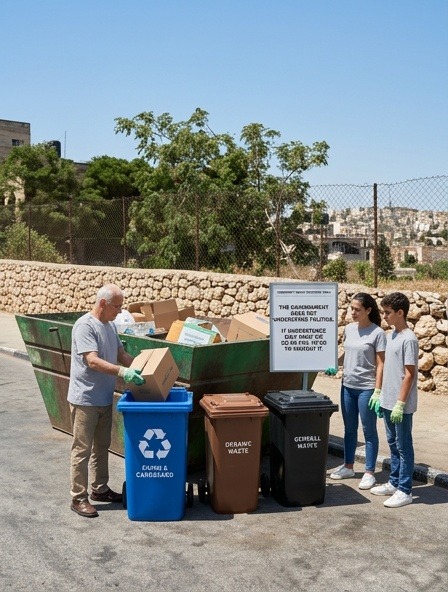
In an era defined by political division and heated debates, it’s easy to forget a fundamental truth: The environment does not understand politics. It isn’t swayed by partisan rhetoric or election cycles. Instead, it responds solely to what we do—or fail to do—to protect it.
Every year, the world faces mounting environmental crises: rising temperatures, devastating wildfires, melting ice caps, polluted waterways, and declining biodiversity. These issues are often framed within the context of political disputes—debates over climate policy, regulations, and funding. But at its core, the environment operates on its own set of laws and balances that do not recognize partisan lines. It reacts to human actions, whether those actions are eco-friendly or damaging.
Think about ocean pollution, for instance. Plastic waste continues to choke marine life and degrade ecosystems. No matter which political party holds power, the environment simply endures the consequences of our neglect—unless we take decisive action to reduce waste, improve waste management, and enforce stricter environmental protections. The environment doesn’t ask, “Are you a Democrat or a Republican?” It simply responds to the abundance of plastics, chemicals, and pollutants we release into it.
Similarly, climate change is often politicized. Yet, the science remains alarmingly clear: greenhouse gases emitted from burning fossil fuels cause global warming. The planet doesn’t heed political slogans or campaign promises; it reacts to our industrial and transportation choices. When emissions rise, temperatures soar. When we ignore renewable energy solutions and continue to subsidize fossil fuels, the planet pays the price, regardless of political affiliation.
This reality underscores a simple but powerful message: environmental preservation is ultimately about individual and collective responsibility. Whether you are a policymaker or a citizen, your daily actions build up. Recycling, conserving water, supporting sustainable practices, advocating for green policies—these are the actions that sway the natural world. Conversely, neglect and inaction accelerate ecological decline.
There is hope. Change begins with awareness and accountability. It’s vital for all actors—government, industry, and individuals—to recognize that our environment responds to what we do or neglect to do. Policies and initiatives can be a catalyst, but sustainable progress hinges on everyday choices made by each of us. As the social media adage reminds us: The environment does not understand politics. It understands only what we do—or fail to do—to protect it.
Making informed choices and fostering a culture of environmental responsibility can bridge the gap between political divides and our planet’s health. Remember: our actions today shape the world of tomorrow. The environment waits silently for us to act wisely and show that we value its resilience over political convenience.