
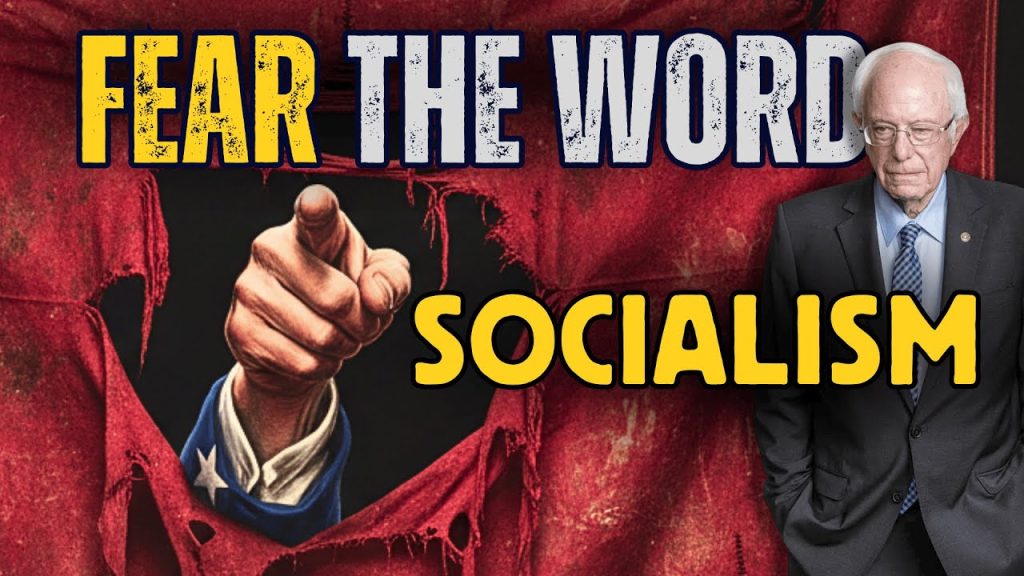
The phrase “Socialism” has long been a contentious and polarizing term within American political discourse. The video titled “Do you know how Socialism became such a dirty word in America? Here’s the REAL history behind the fear mongering and the shift in public opinion that could change everything” hints at an exploration of the historical and political forces that shaped negative perceptions of socialism in the United States. Understanding this history is key to grasping the evolving narrative surrounding socialism’s place in contemporary American politics.

Socialism, as an ideology, advocates for public ownership or regulation of the means of production and a more equitable distribution of wealth. However, in the United States, the term has often been met with suspicion and hostility, largely due to cultural, economic, and geopolitical factors throughout the 20th century. The Red Scare periods, particularly during the early-to-mid 1900s and the Cold War, ingrained a widespread fear of communism and socialism, portraying these ideologies as threats to American freedom and capitalism.
These anti-socialist sentiments were amplified by political campaigns, media framing, and government policies aimed at rooting out perceived communist influences. Over time, “socialism” became conflated with authoritarian regimes abroad, despite varied interpretations of socialism in other contexts. This fear-mongering effectively stigmatized the term, pushing many Americans to associate it with political subversion rather than diverse policy debates around social welfare or economic reform.
In recent years, there has been a noticeable shift in public opinion, particularly among younger generations who view socialism more sympathetically as a potential solution to growing economic inequality, healthcare access, and climate challenges. Politicians identifying with democratic socialism have gained traction, promoting policies like universal healthcare and increased social safety nets.
The re-examination of socialism in American political conversations suggests there is more nuance to its history and implications than often perceived. By looking beyond fear-based rhetoric, there’s the potential for a broader, more informed dialogue about the role of government, economics, and social justice in shaping the nation’s future.
Where to Learn More
- History.com – Overview of the Red Scare and anti-communist sentiments in America
- Brookings Institution – Analysis of socialism’s historical context in the U.S.
- C-SPAN – Political discussions and debates around socialism in modern America
- PBS NewsHour – Explaining democratic socialism and its role today
- The New York Times – Articles and opinion pieces on socialism and its evolving perception