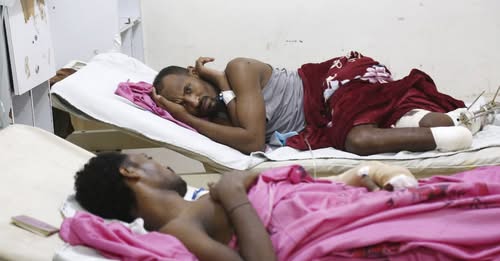
In a heartfelt plea that has resonated across social media and human rights circles, a survivor of a recent U.S. airstrike in Yemen has spoken out about the devastating impact of conflict and the urgent need for justice and support. The survivor, who lost a leg in the attack, shared a raw and emotional message with Amnesty International, revealing a sense of despair but also a desire for meaningful aid.
“I have nothing left that keeps me going,” the survivor stated, their voice filled with pain and longing for a better future. “I want them to provide any type of reparation that will help with our life in any way possible. Something that will revive my hope.”
This candid testimony highlights the ongoing humanitarian crisis in Yemen, where years of conflict have inflicted unimaginable suffering on civilians caught in the crossfire. Despite international calls for accountability, many victims remain about to navigate the harsh realities of life without adequate support or recognition for the trauma endured.
The survivor’s story exemplifies the broader issues faced by countless Yemenis who have born the brunt of military interventions, often with little recourse for justice or compensation. Human rights organizations like Amnesty are calling on the responsible parties, including foreign military actors, to acknowledge their role and provide comprehensive reparation programs that not only address immediate physical needs but also help rebuild shattered lives and community fabric.
Amnesty’s investigations have documented numerous cases where airstrikes, either directly targeting insurgent groups or mistakenly hitting civilian settlements, have caused widespread devastation. Advocates argue that accountability is essential not only for justice but also to foster long-term peace and reconciliation efforts.
The survivor’s plea underscores a vital message: healing goes beyond physical recovery. It includes psychological support, social reintegration, and tangible aid that restores dignity and hope. As conflicts persist, voices like theirs remind the international community of the moral obligation to protect civilians and ensure that survivors are not forgotten.
According to Amnesty, concrete reparation measures could involve medical rehabilitation, psychological counseling, livelihood support, and acknowledgement of harms caused. Such efforts are crucial, not just for individual survivors but for the broader aim of peaceful coexistence and stability in war-torn Yemen.
As global attention turns toward the ongoing conflict and its human cost, this survivor’s story serves as a poignant call to action. It urges governments, international organizations, and aid agencies to mobilize resources and political will to bring meaningful aid and accountability to those who have suffered so profoundly.