Chester Zoo is buzzing with excitement as it recently celebrated a remarkable milestone in conservation: the first-ever surgery performed on a critically endangered Roloway monkey just weeks before she gave birth to a precious daughter named Lagertha. This heartwarming event highlights the zoo’s commitment to protecting rare species and showcases the extraordinary care provided to its residents.
Located in the UK, Chester Zoo is one of only two facilities housing Roloway monkeys, a species that is currently facing dire threats in its native West Africa. Conservationists are actively working to ensure the survival of these enchanting creatures, and the breeding program at Chester Zoo plays a vital role in this effort.
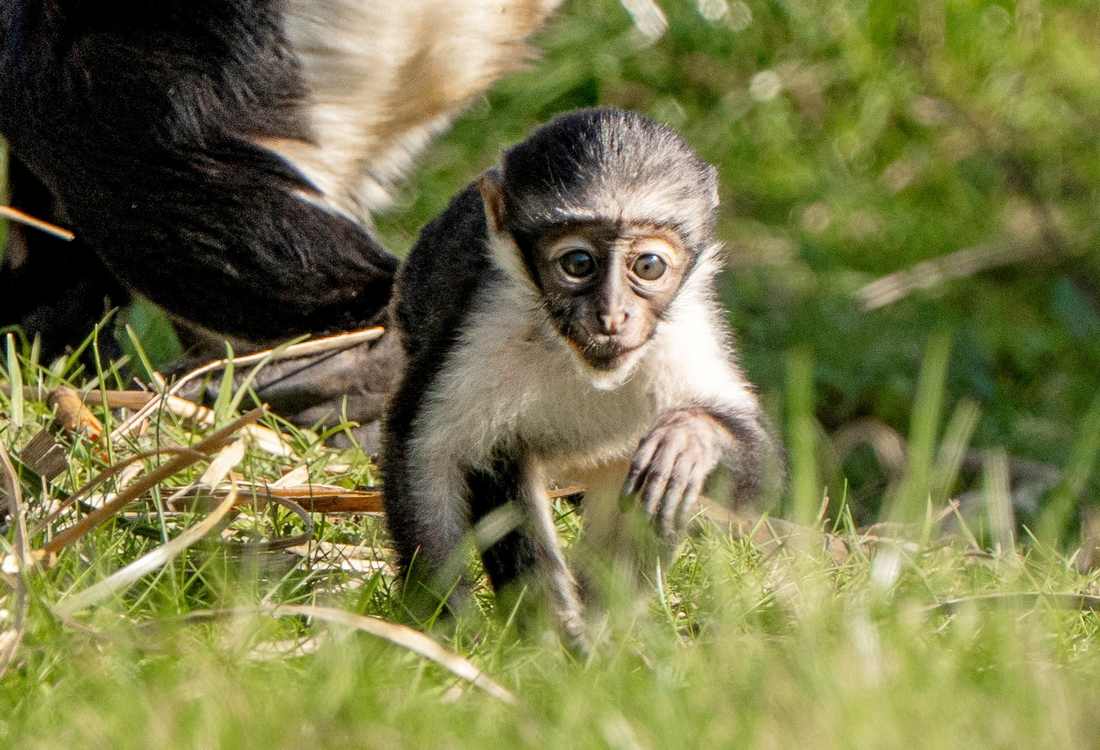
The mother monkey, Masaya, is a remarkable 15-year-old primate who made history by becoming the first Roloway monkey to undergo surgery in captivity. The procedure involved removing a golf-ball-sized abscess from her foot, and although she had to have one toe amputated during the surgery at the University of Liverpool’s Small Animal Teaching Hospital, the outcome was promising. “Masaya is a very experienced mom and she’s parenting magnificently,” shared Zoe Edwards, the primate keeper at the zoo. “The fact that Masaya’s foot has healed so well is a huge relief. If she’d had a full amputation, we’d have faced significant concerns about her ability to care for her offspring and maintain her usual behaviors.”
Roloway monkeys, once abundant in the lush rainforests of Ghana and Ivory Coast, are now listed as Critically Endangered by the International Union for Conservation of Nature (IUCN). Their populations have dwindled to isolated pockets of old-growth forest, making each birth in captivity, like Lagertha’s, a crucial step for the species’ future. Since the first successful birth of a Roloway monkey in captivity in 2020, Lagertha is the third to be born at the zoo, marking a significant achievement in conservation efforts.
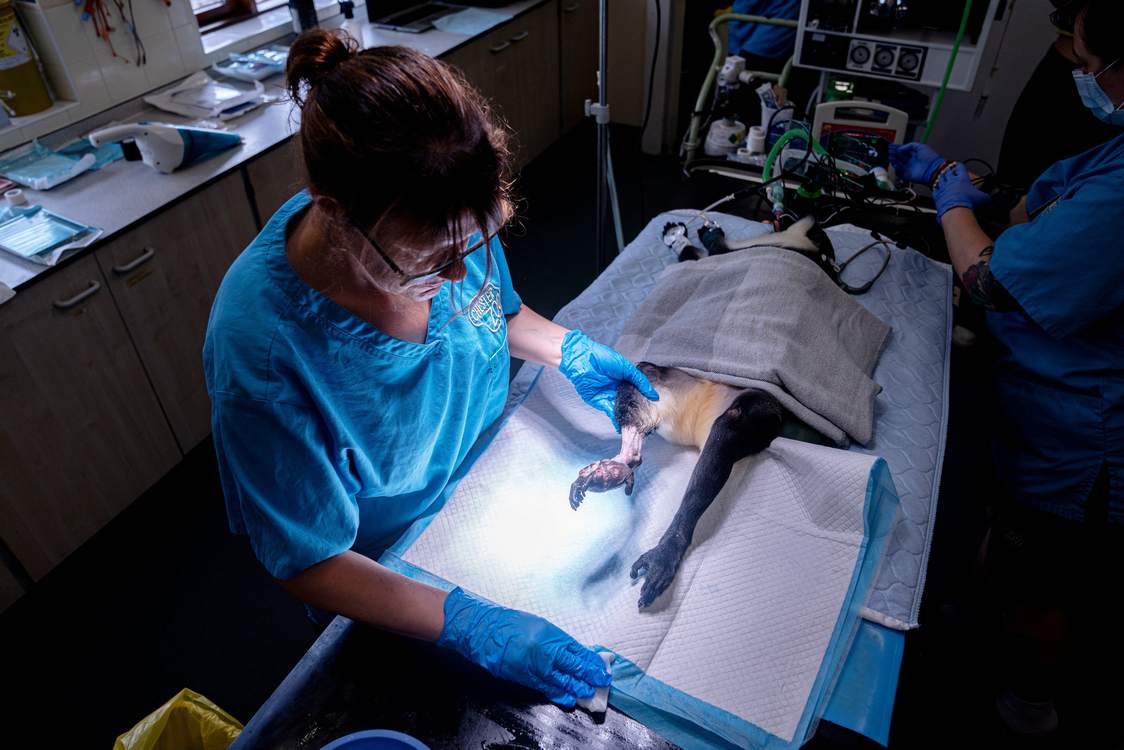
Masaya has faced ongoing foot issues since arriving at the zoo in 2023, with the situation worsening in 2025. After determining that she had an abscess, a CT scan was conducted in Liverpool, leading to the decision for surgery. “It’s not every day you take a monkey to vet school,” remarked Charlotte Bentley, Veterinary Officer at the zoo’s Animal Health Center. “Following the scan, we decided an operation was the best course of action.”
According to the New England Primate Conservancy, Roloway monkeys are now among the most urgently threatened primates globally. Ironically, due to their dwindling numbers, they have become too unprofitable to hunt, providing them with an unexpected reprieve from poaching. Conservationists stress that the continuation of breeding programs like the one at Chester Zoo is essential for the survival of the species until their native habitats can be effectively restored.
This heartening news is a testament to the dedication of conservationists and the incredible resilience of the Roloway monkeys. With each new birth, hope shines brighter for the future of this extraordinary species.