In January, GNN shared a remarkable story about how the frigid Norwegian winter failed to hinder an all-electric ferryboat operating in the northern district of Finmark. Now, closer to home, we have more good news from Wisconsin! A fleet of all-electric buses in Madison has successfully navigated the chilly winter season, operating from morning until night in a city that experiences an average of 18 days with below-zero temperatures each year.
However, as highlighted by Grist.com, the journey to electrify bus fleets across the United States has not been without its challenges, particularly when it comes to cold weather. Traditionally, batteries struggle in cooler temperatures, and just a few years ago, Madison’s Metro Transit buses frequently experienced disruptions. In 2020, a pilot program introduced three electric buses from Proterra, but the initial experience was fraught with issues. After Proterra declared bankruptcy in 2024, the city transitioned to a new supplier, New Flyer.
Thanks to a range of innovative advancements, including overhead charging lines on key routes and enhanced battery capacity and insulation, riding the buses this winter has proven to be just as dependable as before—only quieter and devoid of diesel smoke. Regardless of one’s stance on the impact of removing internal combustion vehicles on climate change, the absence of engine noise and exhaust creates a more enjoyable atmosphere for passengers and pedestrians alike. This shift is particularly beneficial for frequent bus commuters, who are at a higher risk of lung and heart diseases compared to motorists.
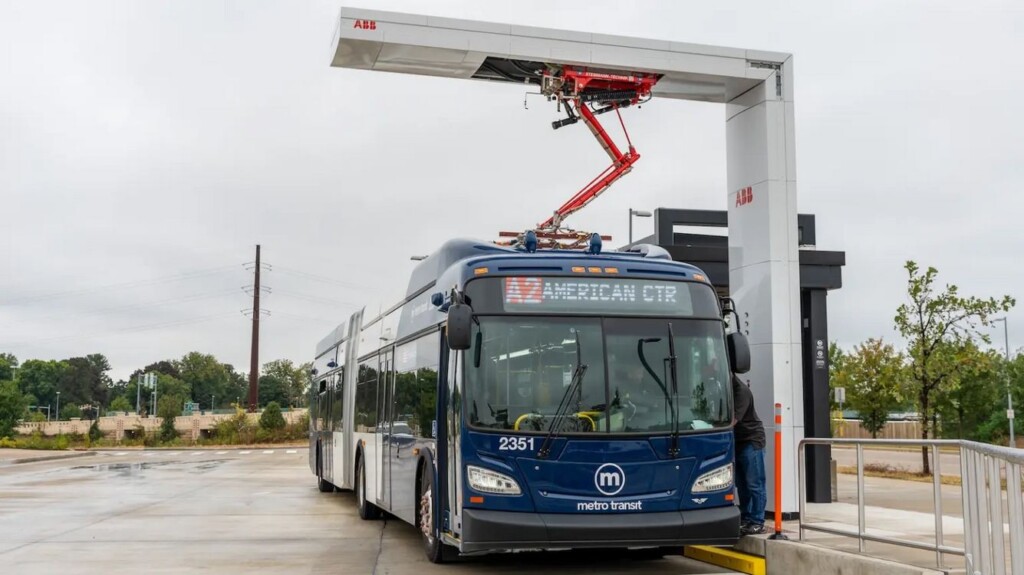
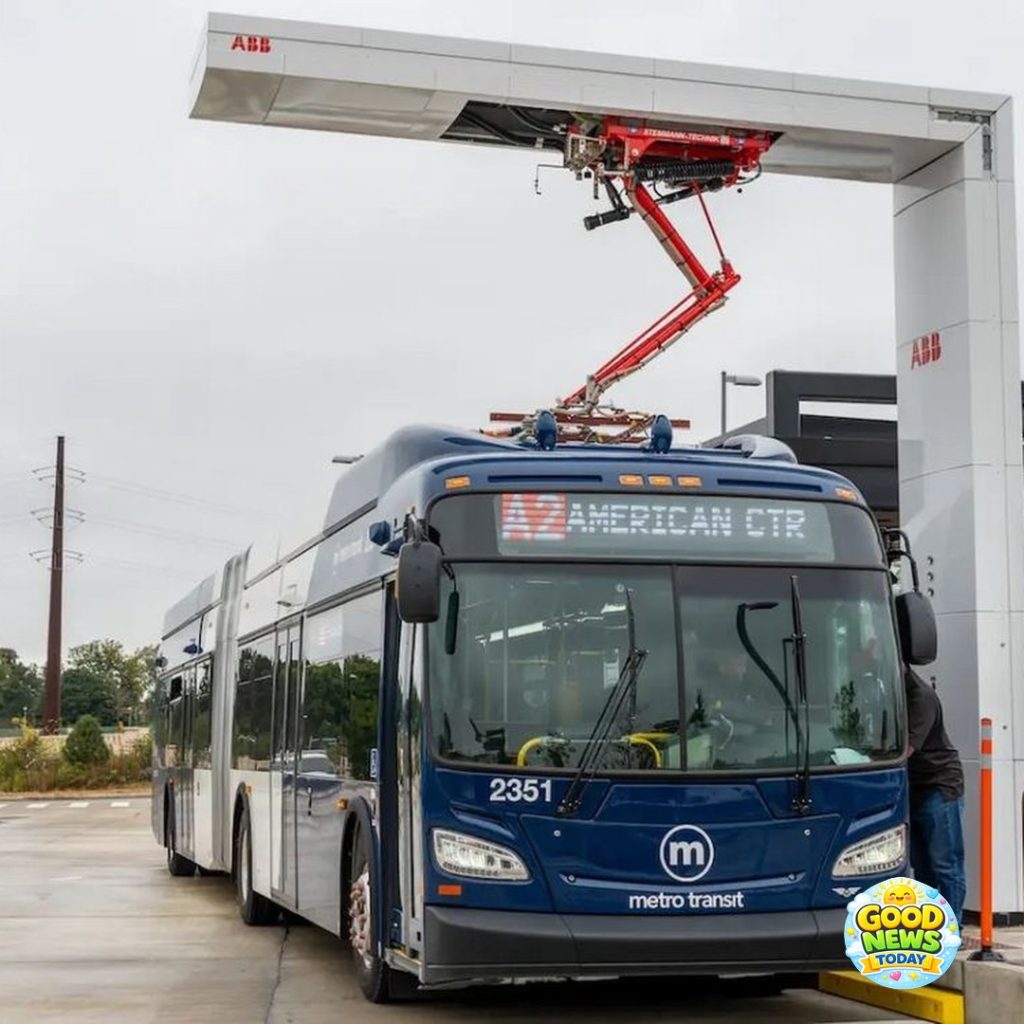
Bus commuters often spend significant time waiting at stops, where traditional diesel buses emit fine particulate matter that can contribute to health issues. On the other hand, the New Flyer coaches that traverse the east-west routes provide a brief 20-minute layover at their final stop, allowing drivers to stretch their legs or grab a coffee. During this time, a robotic arm automatically connects to a pantograph charging port overhead, replenishing about 15% of the bus’s charge in just a few minutes.
While the north-south line buses do not have charging stations, they typically finish their day with about 20-25% battery charge remaining. Even during the coldest days this winter, none of the coaches experienced more than a 10% reduction in battery performance, and there were no trips canceled due to the cold weather. While some trips were interrupted for other reasons, the weather posed no challenges to their operations.
Share this exciting news about the advancements in electric bus technology in Wisconsin’s capital!