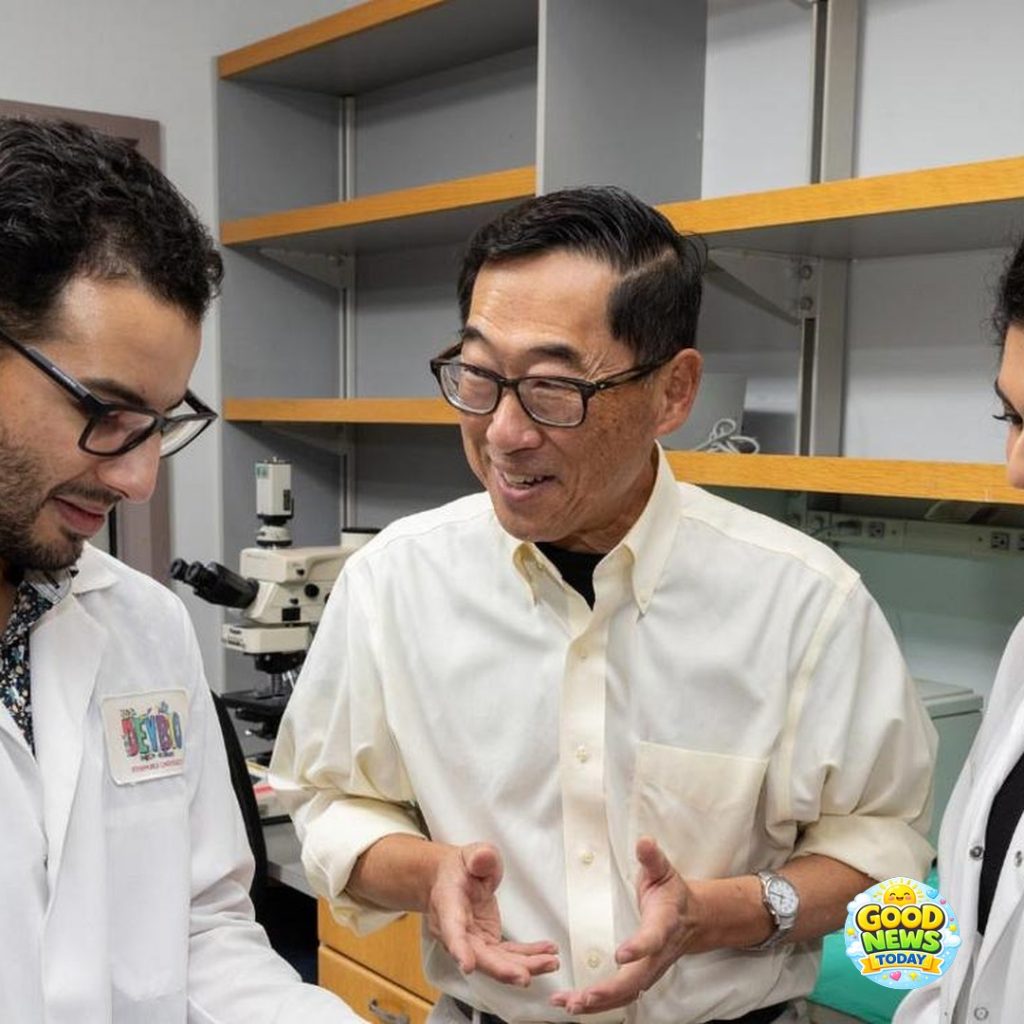
In an astonishing breakthrough, researchers have successfully cured type-1 diabetes in mice using a remarkable double-transplant method that surpassed their expectations. This innovative approach involved two types of transplanted cells, and to the delight of the scientists, there was no host rejection of one cell type while the immune system did not attack the other, leading to a diabetes cure without any adverse effects.
While it’s important to note the limitations of a mouse model, these incredible results have invigorated the team’s enthusiasm to explore the potential for translating this success to human patients. “The prospect of adapting these findings for human application is incredibly thrilling,” expressed Seung Kim, MD, PhD, a multidisciplinary professor at Stanford University.
The study highlights a groundbreaking method where animals achieve a hybrid immune system that incorporates cells from both the donor and the recipient, which are already being utilized in clinical settings for other medical conditions. The researchers believe that this approach could be transformative not only for individuals with type-1 diabetes but also for those suffering from other autoimmune diseases and those requiring solid organ transplants.
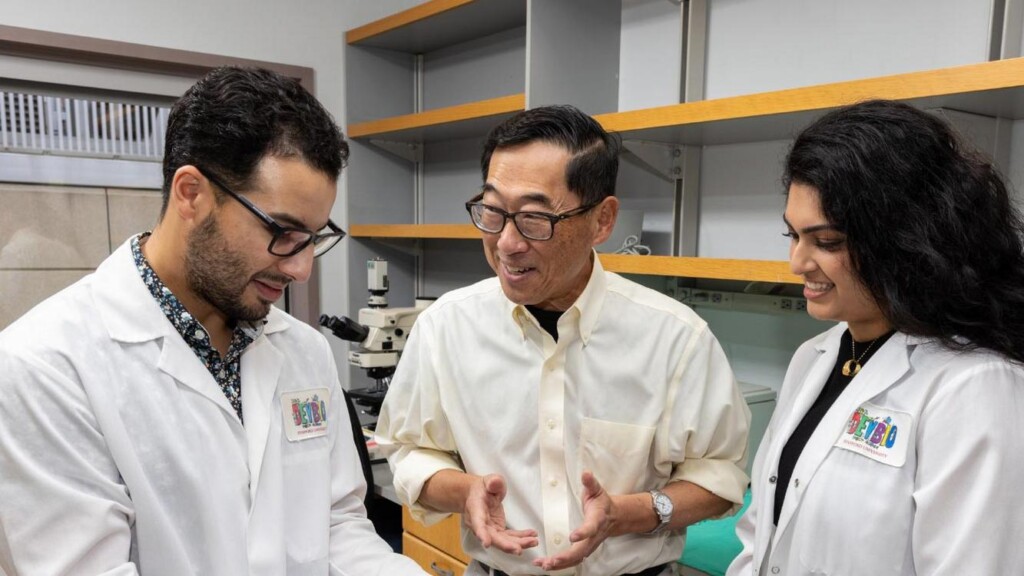
Type-1 diabetes is distinct from type-2 diabetes as it is an autoimmune disorder where the immune system mistakenly attacks its own islet cells in the pancreas, responsible for producing insulin—a hormone essential for regulating blood glucose levels.
In this promising study conducted by Stanford Medicine, type-1 diabetic mice received a transplant of islet cells and blood stem cells from a healthy mouse. This unique combination proved to be remarkably effective, as the treated mice thrived for six months without the need for insulin injections or medication to suppress graft-versus-host disease, a potentially debilitating immune response following transplantation.
Stanford University characterized the results as particularly exhilarating, noting that the pancreatic islet cells from the healthy donor faced two significant challenges: being foreign cells and being the very type of cells that the autoimmune disorder targets. “Similar to human type-1 diabetes, the condition in these mice arises from an immune system that attacks the insulin-producing beta cells within pancreatic islets,” said Kim. “Our goal is not only to replace the lost islets but also to reset the recipient’s immune system to avert further destruction of these cells. Achieving a hybrid immune system allows us to fulfill both objectives.”
Utilizing a pre-transplant drug from a previous study published in 2022, the combination of transplanted islet cells and hematopoietic stem cells forged a mixed-origin immune system that effectively restored normal function, preventing type-1 diabetes in all 19 mice treated. Moreover, an impressive 9 out of 9 mice with long-term type-1 diabetes experienced a complete cure. Throughout the entire six-month follow-up period, these mice did not require insulin injections or immunosuppressive drugs to protect against immune system attacks.