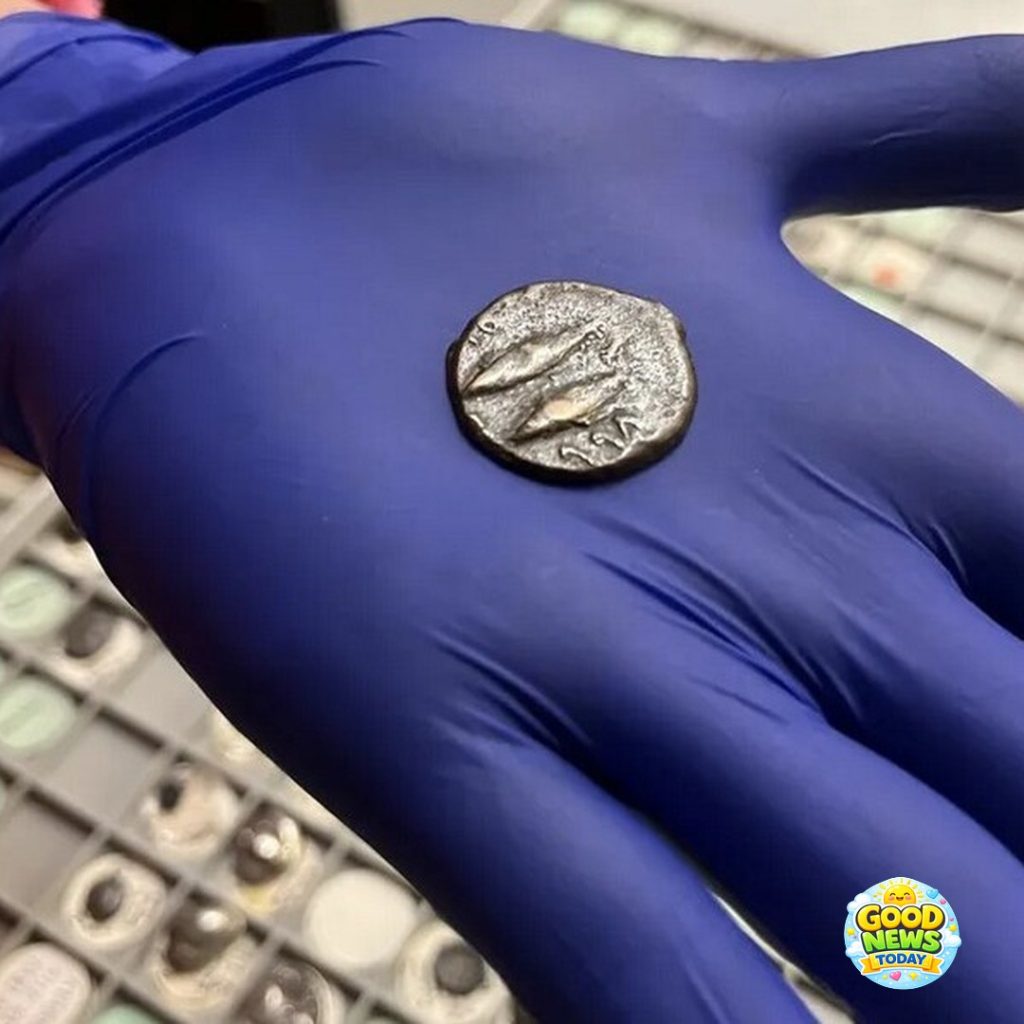
Over 2,100 years ago, on the picturesque coast of Spain, mariners from the Fertile Crescent minted a coin that has taken an extraordinary journey through time and geography. This remarkable artifact recently resurfaced in the English city of Leeds, where it was even used, albeit mistakenly, as bus fare!
This fascinating tale showcases how history, even ancient history, can surprise us in the most unexpected ways. The story was shared by Leeds Museum and Galleries after they received this ancient coin as a donation from a local resident.
The coin was first discovered by James Edwards, a former chief cashier for Leeds City Transport. In his role, he collected fares from bus and tram drivers, meticulously counting them at the end of each day. Part of his responsibilities included identifying any invalid, counterfeit, or foreign coins that were used by clever commuters. Edwards would take these unusual finds home as gifts for his young grandson, Peter. For over 70 years, Peter treasured these remarkable tokens in a small wooden chest.
“My grandfather often came across non-British coins and would set them aside for me,” Peter Edwards recalled. “After the war, I imagine many soldiers returned with coins from their travels. While neither of us were serious coin collectors, we were always captivated by their history and design—each one felt like a treasure.”
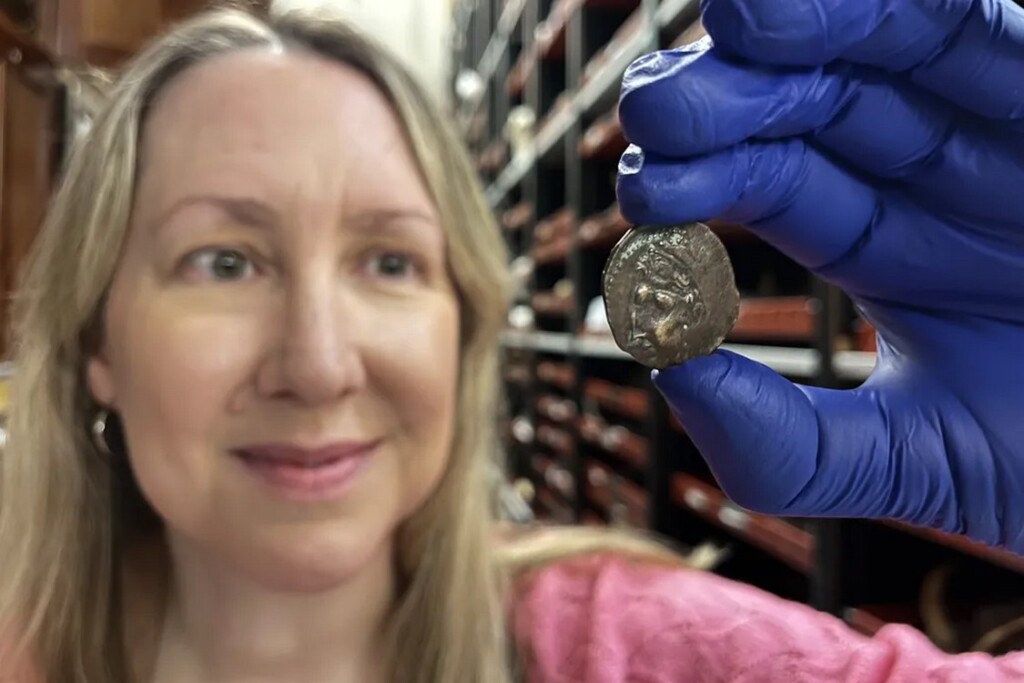
Although Peter and James weren’t dedicated numismatists, they undoubtedly appreciated the ancient origins of the 2,100-year-old coin. Peter’s curiosity led him to delve into research, ultimately uncovering that the coin hailed from the ancient Carthaginian settlement of Gadir, which is present-day Cadiz in Spain.
Carthage, known for its rivalry with early Rome, was a thriving city-state founded by the seafaring Phoenicians. These adventurous people migrated from Tyre, which is now in modern-day Lebanon, establishing settlements throughout the Mediterranean, including Carthage in Tunisia and Cadiz in Spain. They built a robust trading empire, known for producing the first purple dye in the Western world, which they used for their highly sought-after textiles.
One side of the coin features the face of Melqart, a Phoenician god resembling the Greek hero Herakles, complete with his iconic lionskin headdress. Interestingly, some Phoenician coins incorporated Greek imagery to attract traders from various cultures.
Recognizing the coin’s incredible age and historical importance, Peter reached out to Leeds Museums and Galleries to donate it, enriching their impressive collection of ancient currencies.
The coin will now be housed in the Leeds Discovery Center, where it joins a fascinating array of coins and currencies from diverse cultures, spanning thousands of years of history. “It’s astonishing to think how this small piece of history, created by an ancient civilization millennia ago, has made its way to Leeds,” Peter reflected.