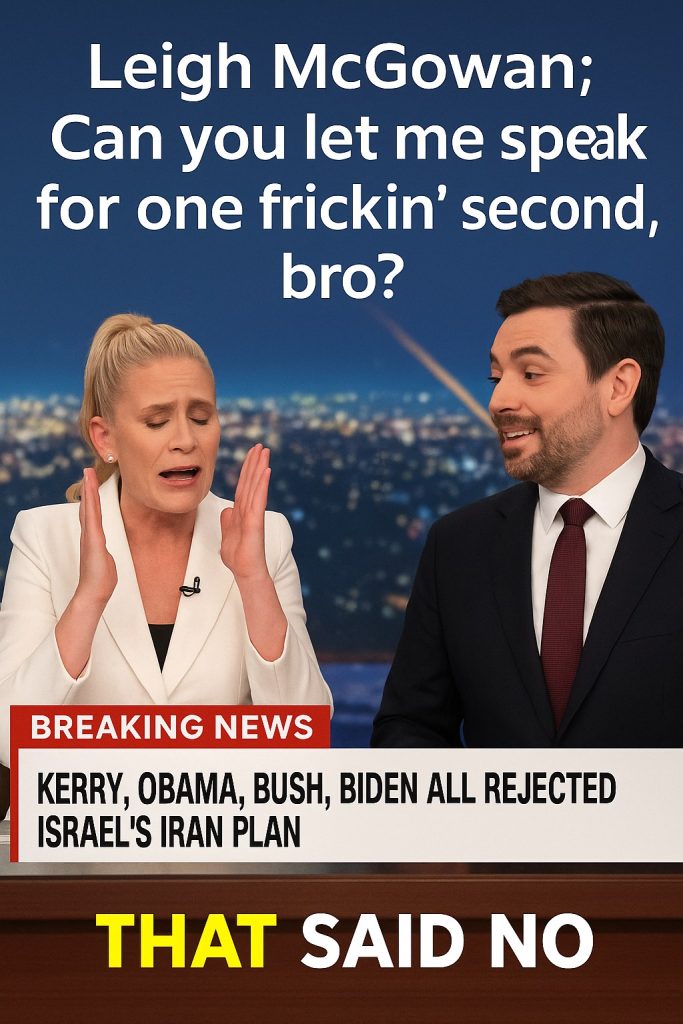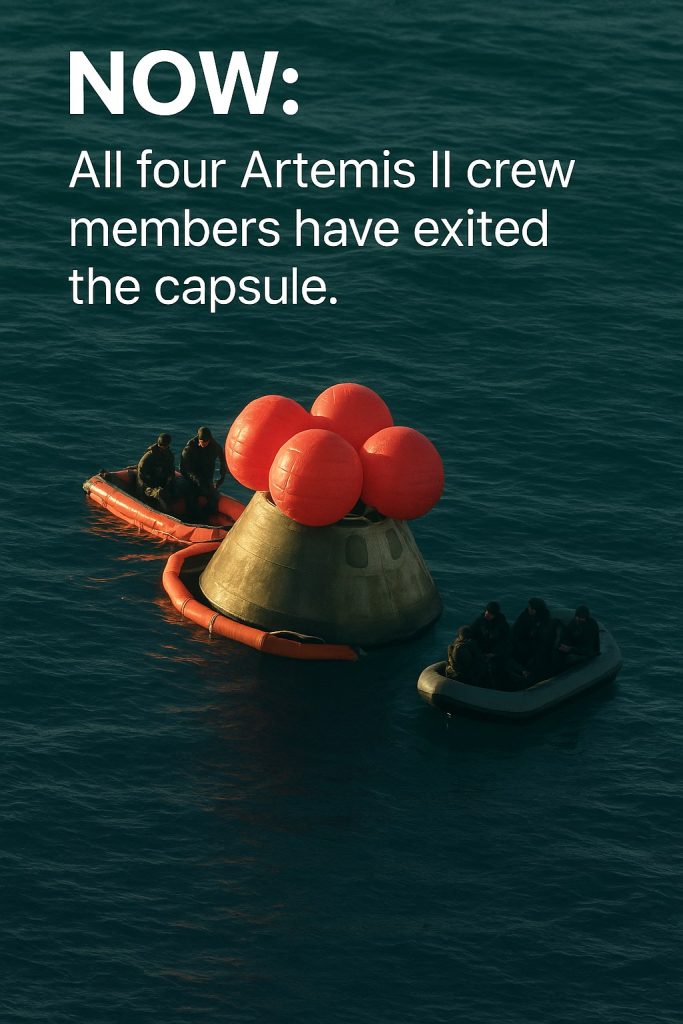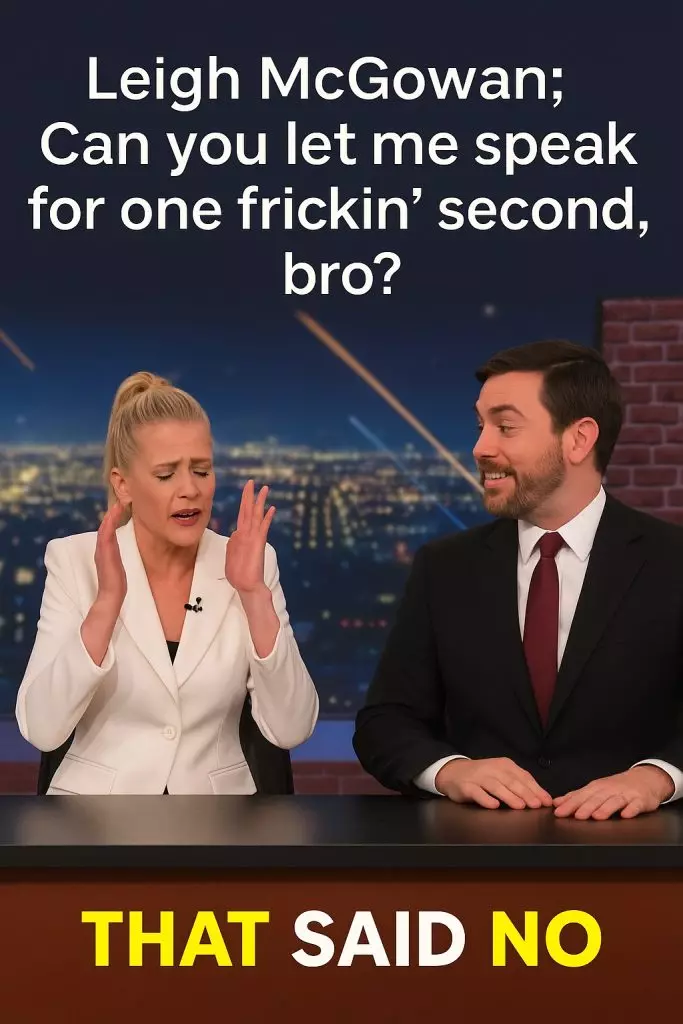
In recent weeks, social media platforms have been flooded with stunning images generated by a new wave of AI-powered art applications, sparking a viral craze that’s captivating millions worldwide. Users from all walks of life are transforming their ordinary photos into breathtaking masterpieces, sharing them widely and igniting debates about creativity, technology, and the future of art.
The trend took off after several popular apps integrated advanced artificial intelligence algorithms capable of generating hyper-realistic and stylistic artworks based on user-submitted images. These AI tools analyze the original photo’s elements—colors, shapes, and textures—and reimagine them in styles ranging from classical oil paintings to futuristic digital art.
What’s Driving This Viral Sensation?
Experts say the viral appeal comes from how accessible and engaging the technology has become. Unlike complex graphic design software, these AI apps require minimal user input—often just a single snapshot. This provides instant gratification, enabling even amateur users to create professional-quality artwork in seconds.
“It’s a perfect storm of creativity and technology,” says Dr. Elena Moreno, a digital art specialist at the University of California. “Artificial intelligence is democratizing artistic expression, encouraging people who might never have considered themselves artists to experiment and share their creations.”
The viral challenge accompanying the trend involves users posting “before and after” photos, showcasing the dramatic transformation their pictures undergo. Hashtags such as #AIArtChallenge and #PhotoToMasterpiece have racked up millions of posts, engaging celebrities, influencers, and everyday users alike.
Implications for Artists and the Art World
While many herald this new technology as a revolutionary tool, some traditional artists express concern that AI-generated art might devalue human creativity. Others, however, view it as an exciting new medium expanding the boundaries of artistic expression.
“AI is not here to replace artists but to collaborate and inspire,” explains renowned digital artist Marcus Lee. “It offers fresh perspectives and techniques that can complement traditional art-making.”
Commercially, the craze has prompted a surge in demand for AI art prints, merchandise, and NFT collections, reflecting a growing market eager to capitalize on this novel fusion of art and technology.
The Future of AI Art
As AI technology continues to evolve, experts anticipate even more sophisticated and personalized art applications emerging. Integration with augmented reality (AR) and virtual reality (VR) could soon enable users to immerse themselves fully within their AI-generated creations.
Moreover, ongoing discussions about ethics and copyright in AI artwork are shaping how creators and platforms will navigate this new frontier. Transparent usage policies and collaboration between human artists and AI are likely to define the next phase of this artistic revolution.
For now, the viral AI art trend remains a vibrant cultural moment, illustrating how technology can unlock new dimensions of creativity and community engagement.
Where to Learn More
- AI-Generated Art and the Future of Creativity – WIRED
- How AI Art Took Over Social Media – The New York Times
- The Ethics and Impact of AI Art – ARTnews
- The Business of AI-Generated Art – Forbes