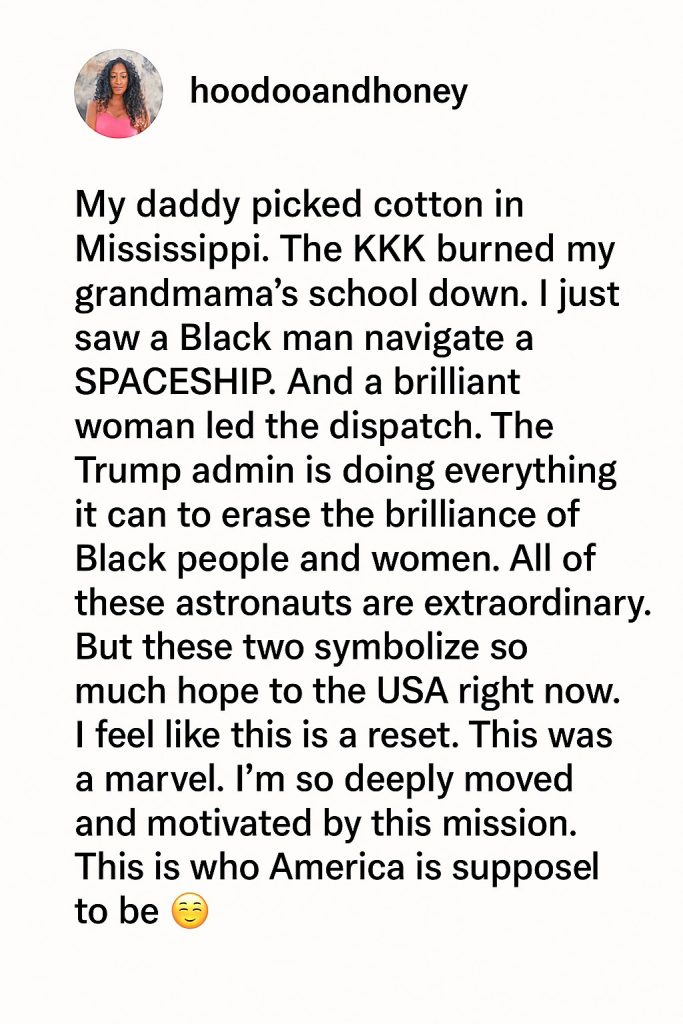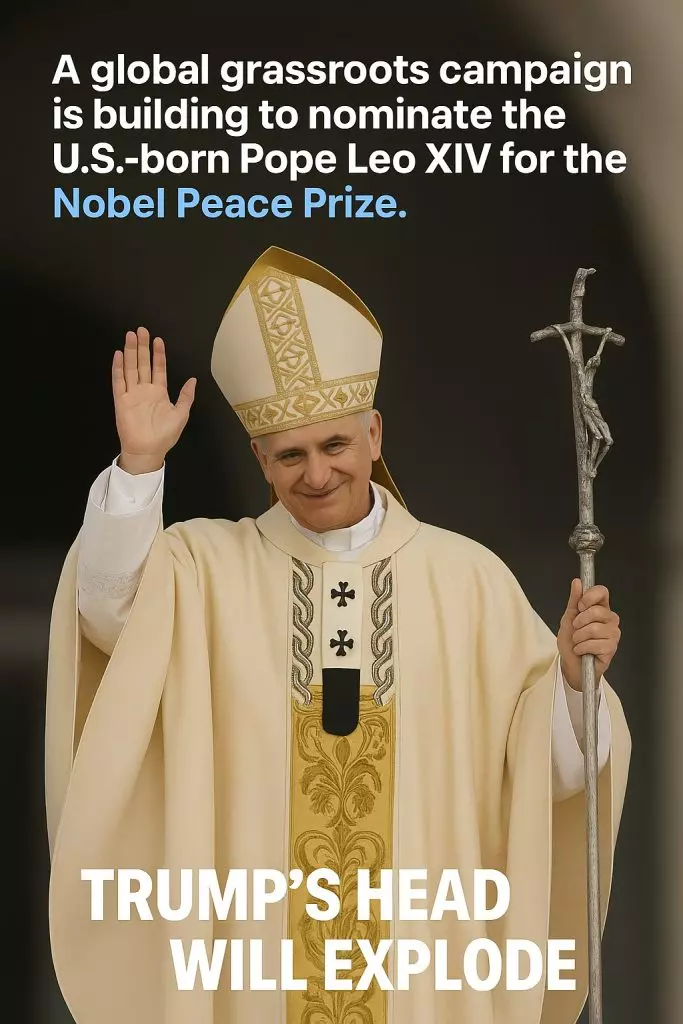
The digital world is abuzz as a new wave of artificial intelligence (AI) art generators is captivating social media users worldwide. These powerful algorithms are transforming the way artists, hobbyists, and creators engage with art, sparking a viral online phenomenon that blends technology with human imagination.
Over the past several weeks, platforms like Twitter, Instagram, and TikTok have been flooded with jaw-dropping images and videos created by AI models such as DALL·E 3, Midjourney, and Stable Diffusion. Users share surreal landscapes, photorealistic portraits of fictional characters, and vibrant abstract pieces—all generated in minutes using simple text prompts.
This surge in AI-generated art has opened fresh conversations about creativity in the digital age. While some hail these tools as revolutionary aids for artists to experiment and push boundaries, others express concern about originality, copyright, and the future of traditional artistry.
What makes this trend particularly captivating is its accessibility. Anyone with an internet connection can type in a few descriptive words and watch an AI craft images that previously might have taken days or weeks for a human artist to complete. From school projects to professional marketing campaigns, AI art applications are expanding quickly.
Social media influencers and content creators have accelerated the phenomenon through viral challenges and tutorials showcasing “prompt engineering” — the art of refining keywords to coax the best visuals from AI systems. Viral hashtags such as #AIArtChallenge and #PromptMagic have garnered millions of views, inspiring a wave of creativity across demographics.
However, this enthusiasm is not without debate. Artists and legal experts are raising questions about intellectual property since some AIs are trained on vast collections of copyrighted images. Additionally, there are philosophical discussions about whether machines can truly be creative or if AI art merely reflects human input programmed into code.
Despite these controversies, the momentum of AI art shows no signs of slowing. Major technology companies continue to refine these models, delivering higher-resolution outputs and more intuitive interfaces. Meanwhile, art galleries and museums have started hosting exhibitions exploring the intersection of AI and traditional art forms, signaling a new era where digital creativity and human expression intertwine.
The viral nature of AI-generated art on social media highlights society’s fascination with technology-driven creativity. It challenges our perceptions of what art is, who can create it, and how it might evolve in the coming years. Whether you are an artist, tech enthusiast, or curious observer, this digital art revolution is worth watching closely.
Where to Learn More
- AI and the New Frontier of Digital Art – The New York Times
- How AI Generators Are Changing Art Forever – Wired
- The Ethics Behind AI-Generated Art – The Verge
- Artificial Intelligence Shaping Modern Art – Artforum