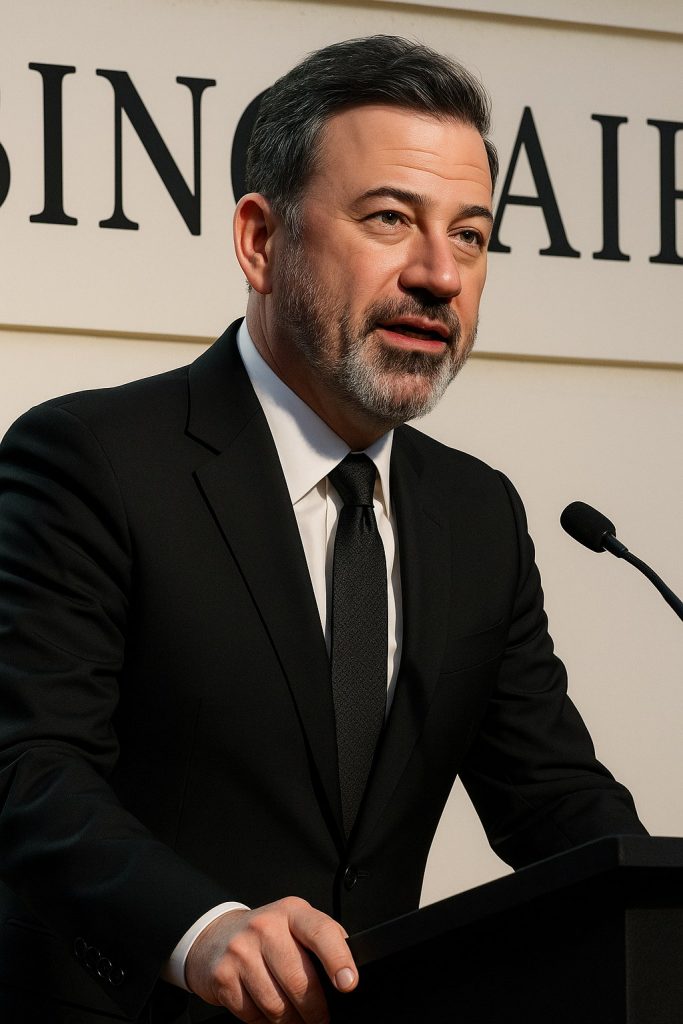
In a move that has ruffled feathers in television land, Sinclair Broadcasting Group, one of the largest owners of TV stations across the United States, has announced its refusal to air episodes of the popular late-night talk show, The Jimmy Kimmel Show. The decision has sent shockwaves through the media landscape, raising questions about editorial control and political influence in broadcasting.
Despite being one of the largest networks in the country, Sinclair has frequently been criticized for its pro-Trump editorial policy, leading to growing scrutiny over its programming decisions. The refusal to air Kimmel’s show comes amidst a surge in late-night television’s popularity, especially as it becomes a platform for political commentary and social satire.
Insiders report that Sinclair executives are upset over Kimmel’s sharp criticisms of the Trump administration, particularly his comedic takes on government policies and key figures over the years. Kimmel has been vocal about his disdain for Sinclair’s practices, famously calling out the network for its local stations airing scripted promotional segments that echo pro-Trump sentiments.
This latest controversy comes on the heels of an ongoing battle between networks and their audiences over content curation, as viewers push back against perceived biases. By choosing not to air Kimmel’s show, Sinclair is wading into murky waters—potentially alienating its audience, many of whom might appreciate Kimmel’s comedic perspectives.
Public response has been swift, with social media buzzing over Sinclair’s decision. Many users have taken to platforms like Twitter and TikTok to express their outrage and support for Kimmel, some even calling for boycotts of Sinclair-owned channels. Critics swiftly labeled the broadcasting group’s decision as an attempt to stifle free speech, igniting discussions about media accountability and transparency.
Reactions from fellow entertainers and comedians have also begun to trickle in, with many defending Kimmel and criticizing Sinclair’s censorship. Such backlash not only places Sinclair under a perilous spotlight but also raises questions about the implications for other media organizations navigating the complicated intersection of politics and humor.
Experts on media ethics warn that Sinclair’s resistance to airing content they disagree with could lead to a slippery slope, wherein media outlets prioritize political agendas over diverse programming. Such practices may endanger the free exchange of ideas that is vital to a healthy democracy. Meanwhile, audiences continue to demand access to varied political perspectives, especially as the nation finds itself on the brink of another election cycle.
As this story develops, Sinclair Broadcasting Group appears to be on a short leash. Industry insiders speculate that pressure from viewers and advertisers might compel the network to reassess its stance on Kimmel’s show. For now, the popular comedian continues to draw attention and generate discussions about the importance of standing up against censorship in the media landscape.