
While not all illnesses stem from nutrient deficiencies, many do accompany them. Take vitamin D, for example; its lack is commonly observed in various health conditions, including cancer, upper-respiratory infections, sepsis, and osteoporosis.
In an exciting discovery, researchers from the prestigious Salk Institute for Biological Studies have pinpointed a simple amino acid known as methionine—primarily obtained from animal-based foods—as a crucial factor in reducing the risk of death from infections.
The Salk team embarked on an ambitious journey to explore what is known as “disease trajectory,” which outlines the journey from infection or injury to recovery or death. Dr. Janelle Ayres, a dedicated scientist at Salk, has devoted years to understanding why some individuals recover while others do not.
According to Dr. Ayres, inflammation plays a critical role in this process, and surprisingly, the kidneys are vital in clearing inflammation from the body once its healing role is complete.
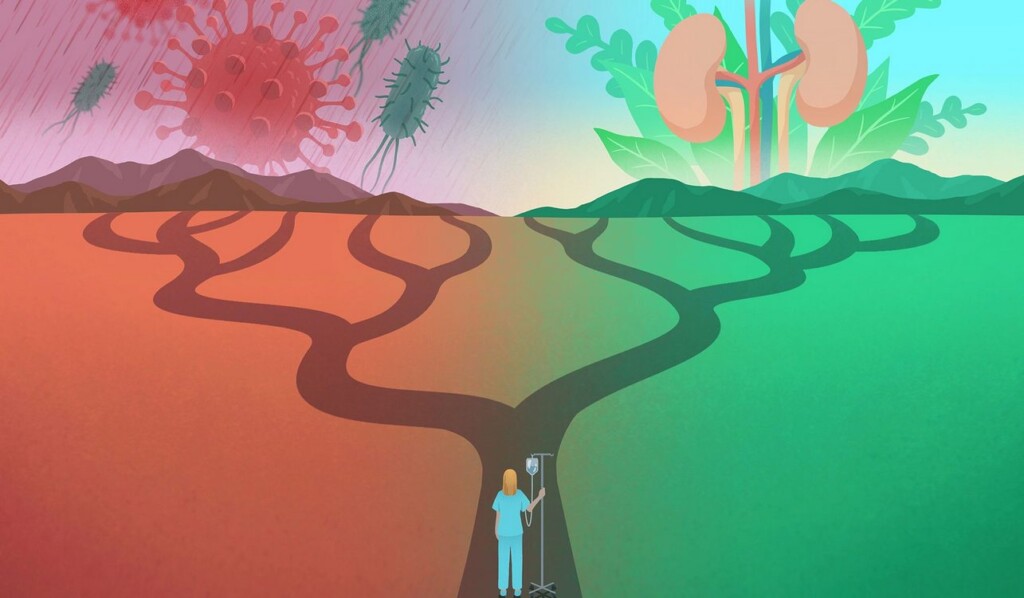
“Our study indicates that even small biological variations, including dietary elements, can significantly influence disease outcomes,” remarked Dr. Ayres. “The discovery of a kidney-driven mechanism that limits inflammation, along with the protective effects of methionine supplementation in mice, highlights the potential of nutrition as a medically informed intervention that could steer and enhance how individuals respond to diseases.”
Inflammation is the immune system’s natural reaction to invaders, whether they are pathogens or even something as minor as a splinter in your finger. Immune cells rush to the affected area, facilitating the healing process and signaling the alarm with proteins called pro-inflammatory cytokines.
“Pro-inflammatory cytokines are often the culprits leading to sickness and mortality,” shared Dr. Katia Troha, a postdoctoral researcher in Dr. Ayres’s lab. “The immune system must strike a balance between attacking the invader and protecting healthy cells. Our mission is to uncover the mechanisms that achieve this balance, allowing us to improve patient outcomes.”
To delve into how the body manages its cytokine levels, the researchers used a mouse model of systemic inflammation induced by the pathogen Yersinia pseudotuberculosis. They observed that infected mice had reduced appetites, indicating potential metabolic changes. To evaluate nutritional status, the team measured levels of circulating amino acids, the building blocks of proteins essential for cellular health.
Interestingly, the infected mice displayed lower levels of methionine—an essential amino acid found in our diets. Intrigued, Dr. Troha decided to provide a new group of mice with methionine-enriched food, and to their astonishment, these mice demonstrated enhanced protection against the infection.