
Exciting new research from Sweden has revealed a fascinating link between meat consumption and a reduced risk of developing Alzheimer’s disease among seniors. The study suggests that older adults carrying the APOE gene can potentially mitigate their genetic predisposition to this condition by increasing their meat intake.
The APOE gene, particularly the variants APOE 3/4 and APOE 4/4, is well-known for its association with a higher risk of Alzheimer’s. In Sweden, approximately 30% of the population are carriers of these variants, and a staggering 70% of those diagnosed with Alzheimer’s possess one of these gene combinations.
Last year, the Swedish Food Agency called for more research into the relationship between diet and dementia, leading to this pivotal study. Dr. Jakob Norgren, the lead author from the Karolinska Institute in Solna, explained, “This study tested the hypothesis that individuals with the APOE 3/4 and 4/4 variants might experience a lower risk of cognitive decline and dementia with a higher intake of meat. This idea stems from the notion that the APOE4 variant may have evolved during a time when early humans consumed a more meat-based diet.”
Published in JAMA Network Open, the study tracked over 2,100 seniors aged 60 and above, all of whom were free from dementia at the study’s outset. Researchers analyzed the participants’ self-reported dietary habits in relation to their cognitive health, taking into account various factors such as age, sex, education, and lifestyle.
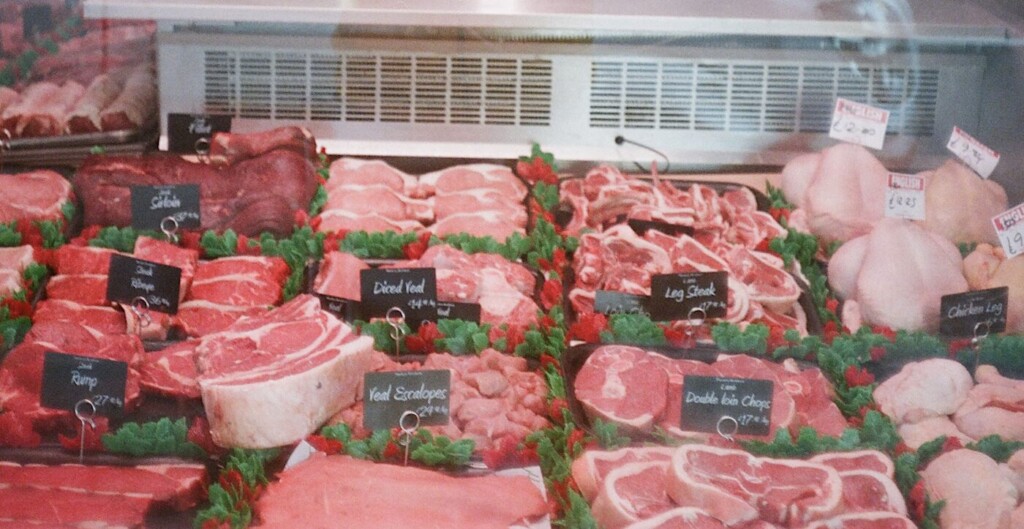
The findings were quite remarkable. Seniors with the APOE 3/4 and 4/4 variants who consumed less meat faced more than double the risk of developing dementia compared to those without these gene variants. However, this heightened risk was not observed among the top 20% of meat consumers, who included a variety of meats, including red meat. This group averaged about 870 grams of meat weekly, aligned with a daily energy intake of 2,000 calories.
Additionally, the study indicated that participants in the second highest meat consumption category showed moderately better cognitive scores, reinforcing the idea that higher meat intake might play a beneficial role in brain health.
Dr. Norgren shared an encouraging message: “Those who consumed more meat overall experienced significantly slower cognitive decline and a reduced risk of dementia, particularly if they had the APOE 3/4 or 4/4 variants. For those aware of their genetic risk, these findings provide hope that lifestyle changes can positively impact their risk.”
The type of meat consumed also emerged as a significant factor. Dr. Sara Garcia-Ptacek, a co-author of the study, noted that a lower proportion of processed meat in one’s overall diet was linked to a decreased risk of dementia, regardless of the APOE genotype.
This groundbreaking research offers a fresh perspective on dietary choices and their potential to influence cognitive health, especially for those at genetic risk for Alzheimer’s. It highlights the power of nutrition in promoting well-being and encourages individuals to consider their dietary habits in a positive light.