
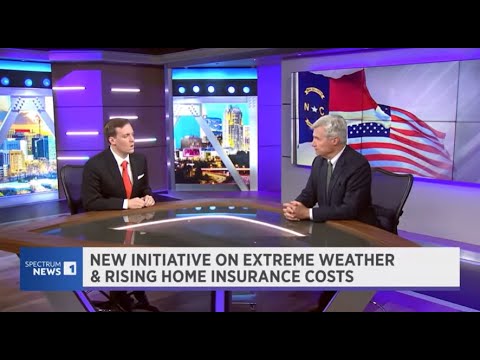
Senator Sheldon Whitehouse’s recent outreach to North Carolina underscores growing concern among lawmakers about the intertwined crises of climate change and home insurance in vulnerable states. The senator, known for his vocal advocacy on environmental issues, brought attention to how escalating climate threats are increasingly destabilizing homeowners’ insurance markets, particularly in regions prone to extreme weather events.

North Carolina, with its extensive coastline and rapidly developing communities, has faced a surge in severe hurricanes, flooding, and other climate-driven disasters in recent years. These events have not only caused immediate damage but have also led to a tightening insurance market, where companies raise premiums dramatically or withdraw coverage altogether. This creates a precarious situation for homeowners who rely on affordable insurance to protect their investments and personal safety.
Sen. Whitehouse’s trip reflects a broader political effort to address climate-related economic risks at the state and federal levels. While environmental policy discussions often focus on emission reductions and sustainability investments, the financial ramifications for everyday citizens—such as increased insurance costs and reduced availability—are becoming a critical part of the national conversation. North Carolina’s struggles serve as a microcosm for states across the Southeast and beyond, revealing the urgent need for comprehensive strategies that combine climate action with financial protections.
Politically, the issue is complex and cross-cutting. On one hand, there is increasing bipartisan recognition of climate impacts on infrastructure and insurance systems. On the other, legislative solutions often face hurdles related to insurance regulation, disaster funding, and state versus federal responsibilities. Sen. Whitehouse’s engagement in North Carolina highlights the role individual senators play in bridging these challenges by advocating for policies that both mitigate the climate crisis and protect homeowners from its economic fallout.
As the climate continues to influence the frequency and severity of natural disasters, lawmakers, regulators, and insurers will need to collaborate closely to develop sustainable insurance solutions that ensure communities remain resilient. The conversation sparked by Sen. Whitehouse’s visit is an important step toward this goal.
Where to Learn More
- The New York Times – Climate Section – In-depth coverage of climate change impacts and policy developments.
- Politico – Climate – Political news and analysis on climate change and environmental legislation.
- Insurance Information Institute – Resources on home insurance trends and the effects of natural disasters on insurance markets.
- NOAA Climate.gov – Authoritative scientific information on climate data and regional climate impacts.
- North Carolina Policy Collaboratory – Research on climate resilience and policy initiatives specific to North Carolina.