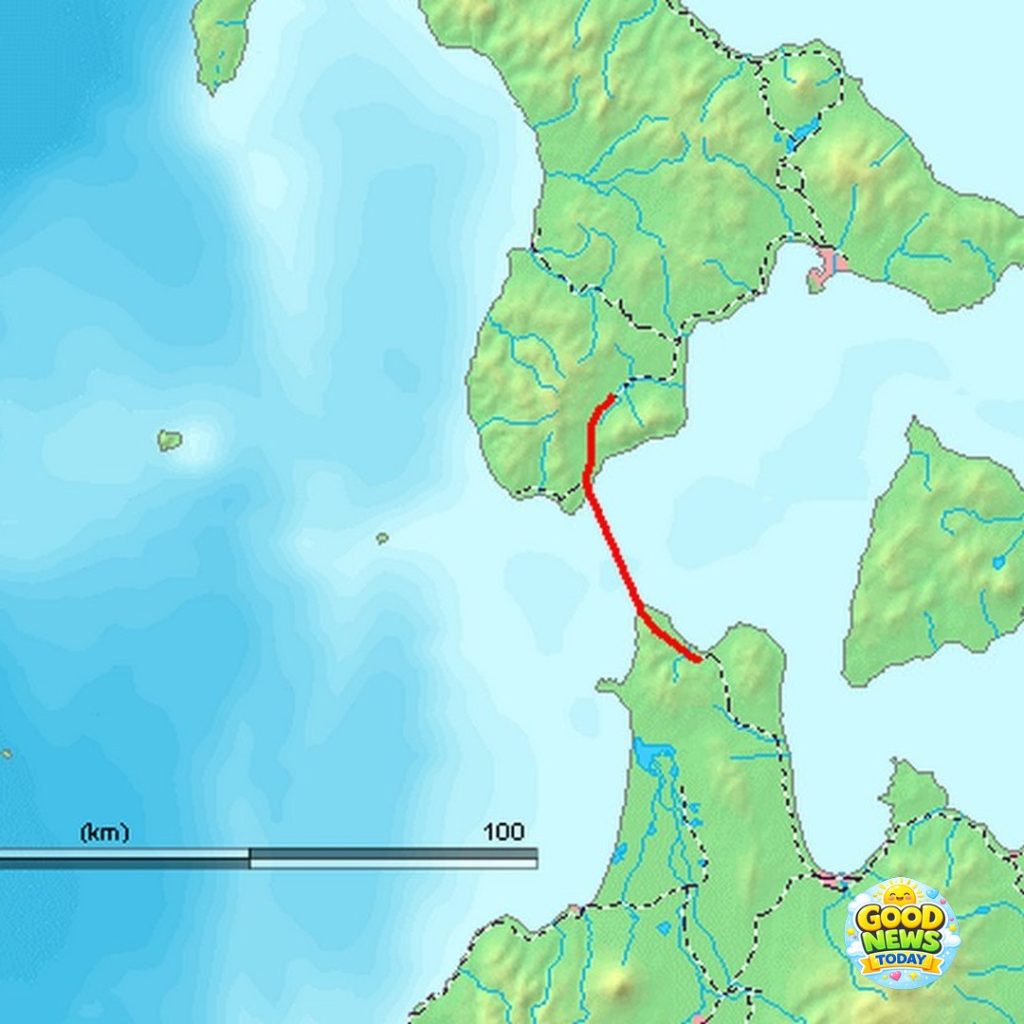
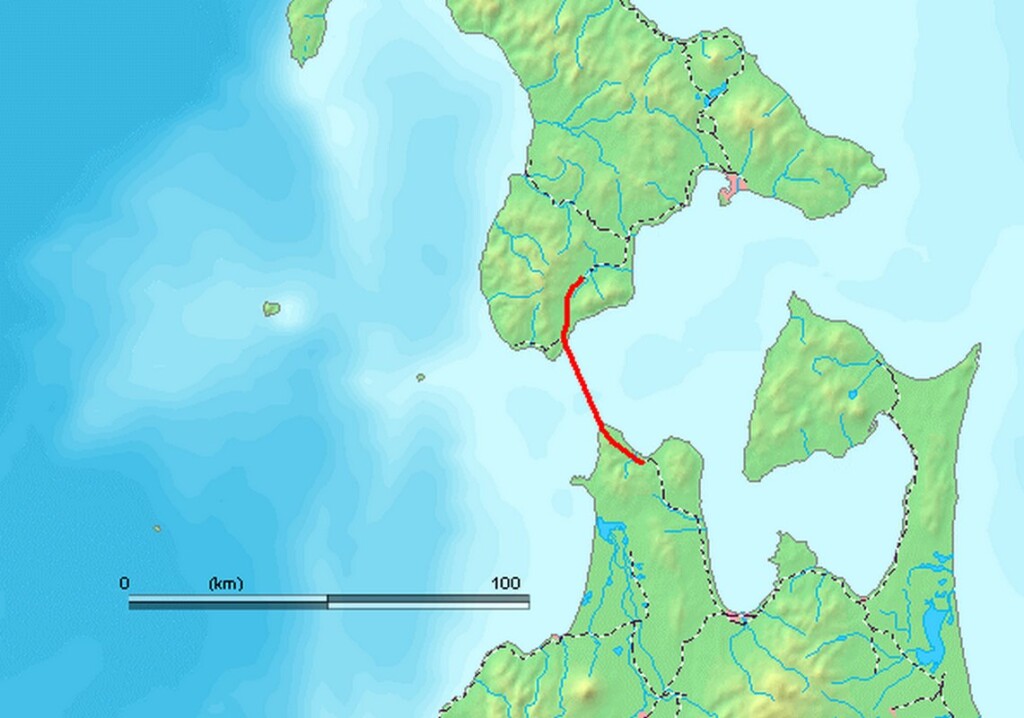
Today marks a remarkable milestone as the Seikan Undersea Tunnel celebrates its 38th anniversary, having revolutionized freight transportation between Japan’s northern island of Hokkaido and the central island of Honshu. Spanning an impressive 33.46 miles, the Seikan Tunnel holds several prestigious records, including being the longest undersea tunnel in the world by total length. It also ranks as the second-longest main-line tunnel and the second-deepest undersea tunnel, reaching depths of 740 feet below sea level and 250 feet beneath the seabed.
Originally constructed with the expectation of increased traffic between the islands, the Seikan Tunnel faced unforeseen challenges as air travel soared, rendering it less utilized for passenger travel even before its completion. Despite this, the tunnel stands as a remarkable engineering achievement, although it encountered significant delays and complexities as a government project, leading to maintenance costs that soared to nine times initial estimates.

Since its opening, 50 freight trains, including 21 round trips, have been operating daily through the Seikan Tunnel, efficiently transporting goods between the islands. This reliable and safe transportation method is particularly noteworthy, as it remains unaffected by weather conditions—a critical advantage that arose after a tragic ferry disaster claiming 1,400 lives prompted investigations into tunnel safety.

Exciting developments are on the horizon as modifications to the tunnel are being implemented to accommodate the Japanese Shinkansen, aiming to enhance travel speeds significantly. This upgrade could potentially reduce the travel time from Tokyo to Sapporo by three hours, transforming the current eight-hour journey into a more efficient experience.

In other uplifting news, three years ago, the world witnessed a fascinating shift in the music industry: vinyl record sales surpassed those of CDs for the first time since 1987. Achieving over $1.2 billion in sales compared to $399 million for CDs, this marks a unique resurgence for a nostalgic format, showcasing 17 consecutive years of growth.

Vinyl records entice music enthusiasts not only with their superior audio quality but also with the artistry of their packaging. Despite the prevalence of digital music, the enduring appeal of vinyl demonstrates a rare instance where an older technology outperformed a modern alternative in such a consistent fashion.

Moreover, the Recording Industry Association of America (RIAA) reported that physical music sales are currently outpacing digital downloads, which dropped another 20% last year to only 3% of total music purchases. RIAA Chairman and CEO Mitch Glazier emphasized the enduring love for vinyl, stating, “Music lovers clearly can’t get enough of the high-quality sound and tangible connection to artists vinyl delivers.” The music industry continues to respond to this demand with an array of exclusive releases, special reissues, and beautifully crafted products.

On this date, we also commemorate the legacy of Giorgos Seferis, the Nobel Prize-winning Greek poet and diplomat, who made a lasting impact on literature and culture 126 years ago. Today, we celebrate these remarkable achievements and the positive progress in both transportation and music, reminding us of the power of innovation and creativity.