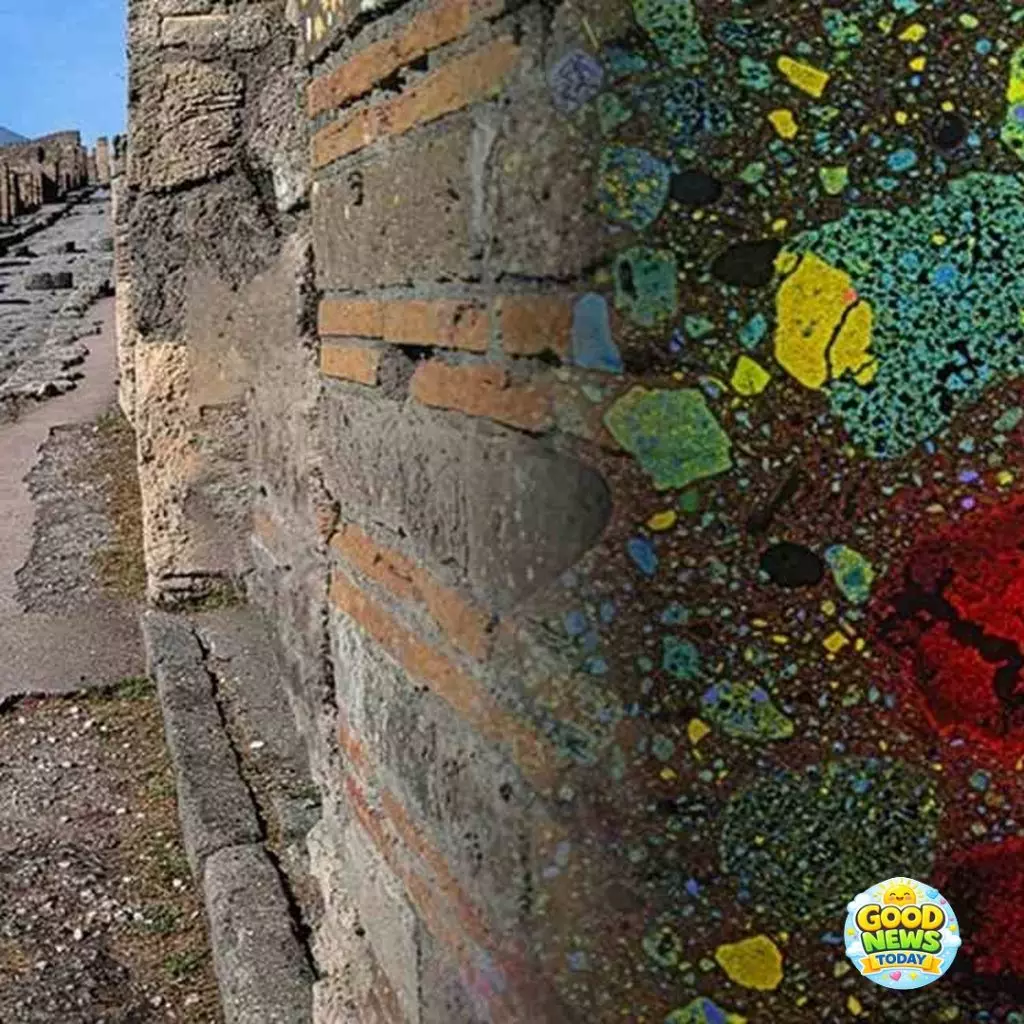
A remarkable breakthrough has emerged from a scientist who has unraveled the mystery behind the ancient Romans’ self-healing concrete. This exciting discovery was confirmed at a Pompeii site where this extraordinary concrete was originally utilized.
Combining theoretical insights with historical knowledge, this scientist is now embarking on a new venture, launching a concrete business that offers a modern take on the timeless techniques used by the Romans. This initiative aims to provide a building material that is not only popular but also designed for durability and resilience.
Concrete played a pivotal role in the splendor of the Roman Empire, facilitating an architectural renaissance that led to the creation of impressive structures, bridges, and aqueducts. Many of these magnificent edifices continue to stand strong nearly 2,000 years after their construction.
In 2023, MIT Associate Professor Admir Masic and his team released a groundbreaking paper detailing the manufacturing process that contributed to Roman concrete’s exceptional longevity. Their research revealed that lime fragments were combined with volcanic ash and other dry ingredients, followed by the addition of water.
This process, known as “hot-mixing,” generates heat when water mixes with the dry components. As the concrete cures, this heat helps to trap the highly reactive lime in small, gravel-like clumps. When cracks inevitably appear, these lime clasts can dissolve and fill the gaps, bestowing the concrete with its self-repairing abilities. This significant finding was previously reported by GNN.
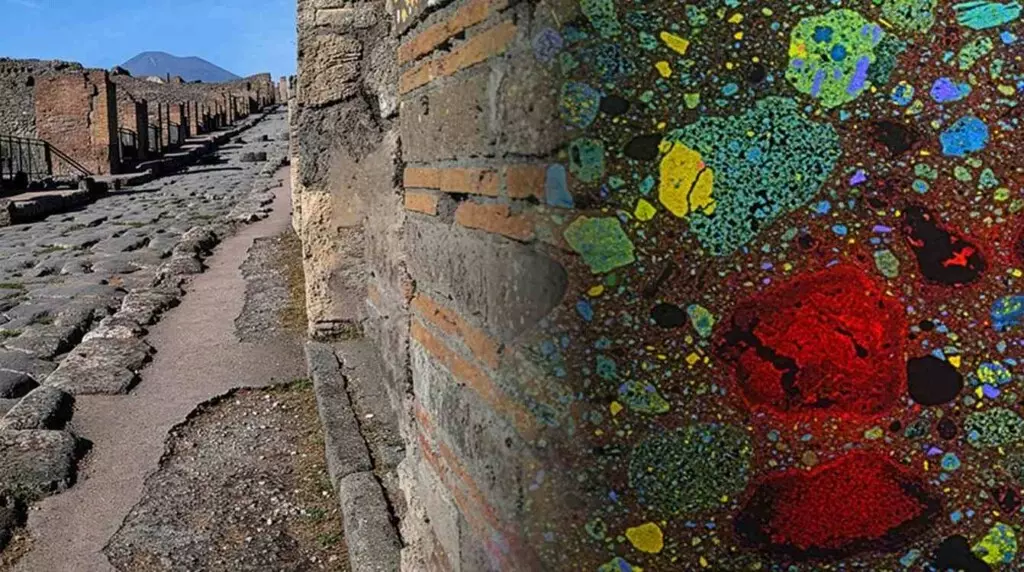
However, a fascinating twist emerged. According to MIT reports, Masic’s findings differed from the account of the renowned ancient Roman architect Vitruvius, who authored the influential treatise, De Architectura, in the 1st century BCE. Vitruvius’ work is recognized as the first known text on architectural theory, where he described how Romans added water to lime to create a paste before mixing it with other materials.
“I have great respect for Vitruvius, so it was challenging to suggest that his description might be flawed,” Masic reflected. “His writings were instrumental in sparking my interest in ancient Roman architecture, and my research findings seemed to contradict these significant historical texts.”
Now, Masic and his team believe that Vitruvius may have been misinterpreted, having confirmed that the Romans indeed employed hot-mixing techniques. This conclusion arose from their investigation of a newly uncovered ancient construction site in Pompeii, which was remarkably preserved by the eruption of Mount Vesuvius in 79 CE.
In their studies, they also identified a diverse range of reactive minerals within the volcanic ash used by the Romans, which further enhanced the concrete’s ability to self-repair even years after the monumental structures were erected. This discovery highlights the incredible ingenuity of Roman engineering.
“The historical significance of this material is immense, as is the scientific and technological importance of understanding it,” Masic emphasizes. “This material can revolutionize our approach to construction and preservation.”