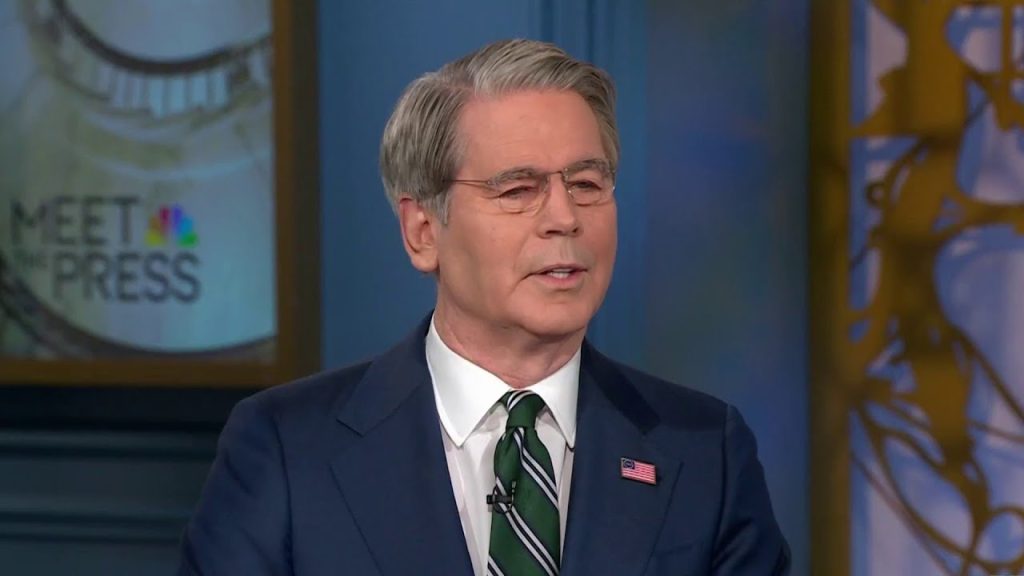
The recent remarks by Scott Bessent, defending U.S. military actions in Iran with the phrase “Sometimes you have to escalate to de-escalate,” highlight the intricate and often controversial calculus behind America’s foreign policy in the Middle East. This statement suggests a strategic approach where limited military escalation is used as a means to ultimately reduce broader conflict—an idea that remains deeply debated among policymakers, military experts, and political analysts.
U.S. military engagement with Iran has long been shaped by a delicate balance of deterrence, diplomacy, and force projection. Tensions between the two countries have fluctuated over the years, marked by incidents such as the withdrawal from the Iran nuclear deal (JCPOA) in 2018, targeted strikes, and Iran’s nuclear ambitions. The concept of “escalate to de-escalate” was reportedly a part of Iranian military doctrine during the 2010s, aimed at deterring adversaries by signaling readiness to cross certain red lines. Bessent’s comments may imply that the U.S. is adopting—or responding to—a similar mindset, using calibrated military pressure to prevent larger-scale confrontations.
This approach sparks crucial questions about the risks and benefits of using military actions proactively in tense geopolitical environments. Escalation can serve as a warning or corrective measure, but it must be carefully managed to avoid unintended consequences, including escalation into open conflict. The debate over military posturing also intertwines with broader diplomatic efforts, including sanctions, negotiations, and alliances. Strategists must consider how such moves impact regional stability, U.S. credibility, and the potential for future engagement.
The U.S.-Iran relationship continues to be one of the most complex security challenges facing policymakers in Washington, D.C., with ramifications for global energy markets, counterterrorism, and international norms. Understanding the nuances behind military strategies like “escalate to de-escalate” is vital for grasping why certain decisions are made in the realm of national security and foreign policy.
Where to Learn More
- Council on Foreign Relations (CFR) – In-depth analysis of U.S.-Iran relations and military strategies.
- Brookings Institution – Expert commentary on Middle East diplomacy and security policies.
- U.S. Department of Defense – Official statements and updates on military activities and strategic doctrine.
- Reuters – Up-to-date news coverage on Iran and U.S. military actions.
- Arms Control Association – Resources on nuclear negotiations and military posture in the region.