A comprehensive scientific survey examining over 1 million solar installations in Germany has unveiled a remarkable finding: the anticipated degradation of solar panels over time has been significantly overstated.
According to this groundbreaking research, previous models have inaccurately predicted the rate at which solar installations lose their power-generating capacity, with estimates being off by as much as 20% to 50%.
The authors of the study noted that this adjustment could lead to a reduction in the estimated cost associated with degradation, potentially saving around €638 million annually by 2040 to maintain the current energy capacity.
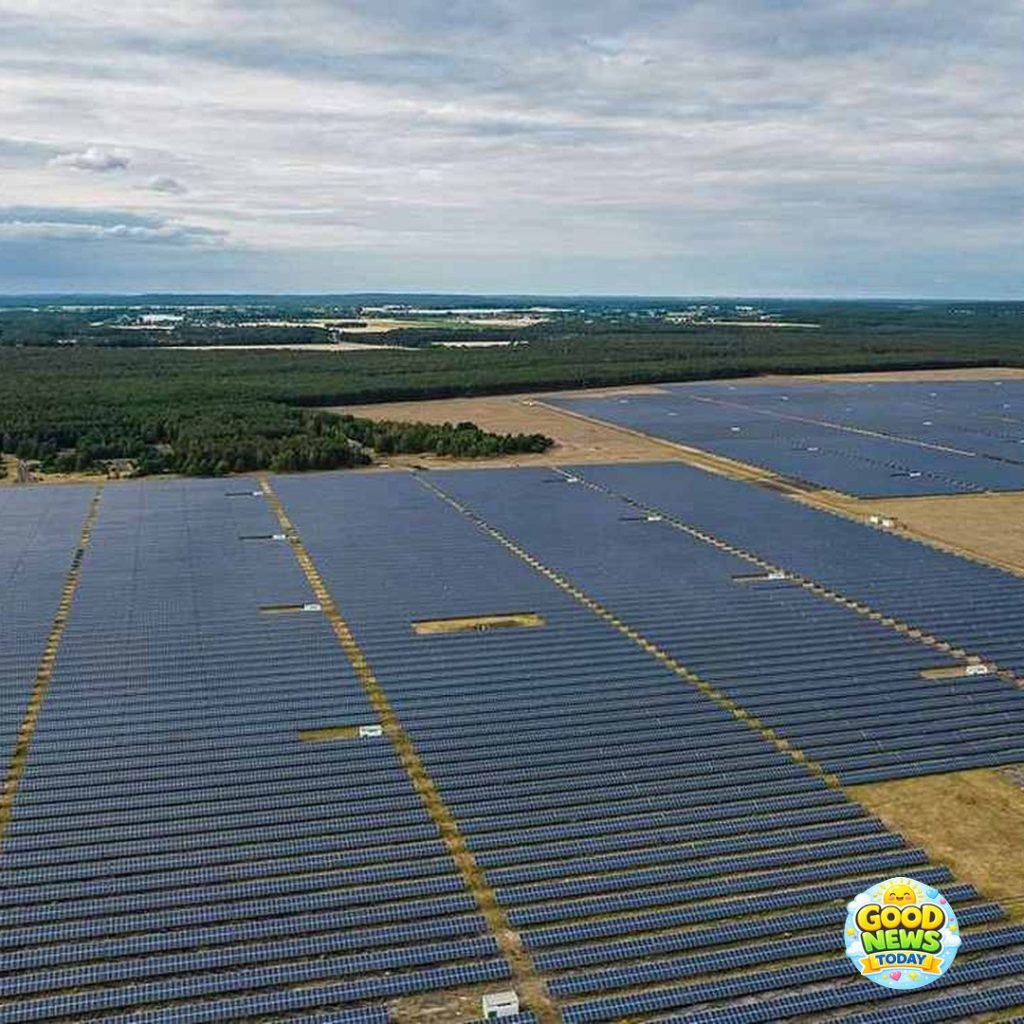
Germany has been a pioneer in green energy initiatives for the past two decades. The nation has phased out numerous coal power plants and controversially eliminated its entire nuclear fleet, resulting in the installation of approximately 60 gigawatts of solar power capacity since 2006.
A common concern surrounding solar technology is that photovoltaic (PV) panels, like all electrical equipment, diminish in efficiency over time. Exposed to the elements year-round—facing frost, heat, wind, and dust—these panels may not deliver the expected energy output a decade after their installation.
This extensive survey, conducted by scientists from Brandenburg University of Technology in collaboration with University College London, analyzed around 1.25 million solar installations across Germany, collectively accounting for 34 gigawatts of capacity. Spanning 16 years, this study is the longest of its kind and incorporates data from newer generations of solar technology.
The findings revealed annual degradation rates between 0.52% and 0.61%, which is roughly half the average reported in earlier studies. Those previous studies often had limitations due to smaller sample sizes— the largest prior survey encompassed just 4,200 installations—and shorter durations, typically ranging from 2 to 7 years.
Additional insights from this research highlight the advantages of large-scale solar installations. Notably, degradation rates tend to decrease as panels age, meaning newer panels lose capacity more quickly than their older counterparts. Furthermore, larger installations, such as solar farms, exhibit slower degradation compared to smaller systems like rooftop arrays.
“This is significant because it indicates that utility-scale PV systems cannot merely be seen as larger versions of rooftop solar,” explained lead author Peitro Melo in an interview with PV Magazine. “Reliability and maintenance strategies have a different impact on their performance.”
Interestingly, environmental factors such as frost, extreme heat, and air pollution affect PV panels in varying ways throughout their lifespan. For instance, extreme heat impacts older panels more than newer ones, while frost and air pollution have the opposite effect.
This news brings a wave of positivity to the solar industry, benefiting everyone from individual homeowners to investors in large-scale projects. Lower degradation rates mean enhanced output and revenue throughout the lifespan of solar installations.