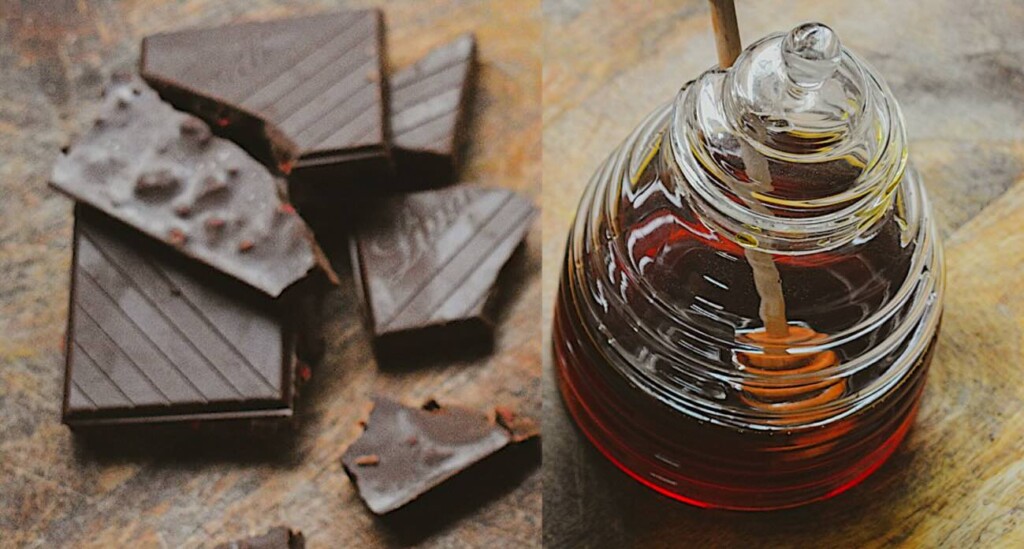
Researchers in Brazil have made an exciting discovery by using ultrasonic waves to extract valuable polyphenolic nutrients from cocoa bean husks, particularly when combined with honey. This innovative approach not only enhances the nutritional content of honey but also addresses the issue of cocoa cultivation waste.
While dark chocolate paired with honey is a delectable treat, the researchers are focusing on a more significant benefit: transforming the vast amounts of cocoa waste into nutrient-rich honey. Cocoa beans are well-known for their heart-healthy components, including polyphenols, theobromine, and caffeine. However, a large portion of the cocoa harvest, primarily the husks, is often discarded as waste.
The husks actually contain a similar concentration of phytonutrients as the cocoa beans, presenting an opportunity for cocoa growers to reduce waste and increase profitability. A team from the State University of Campinas (UNICAMP) in São Paulo, Brazil, has developed a method using “green chemistry” to effectively break down cocoa waste, enhancing nutrient extraction while preserving the quality of the final product.
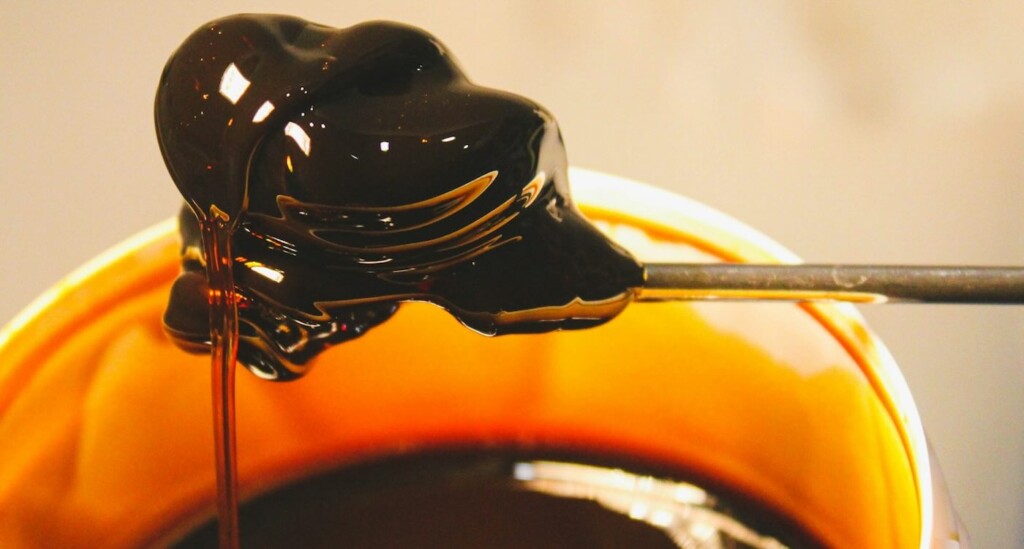
In contrast to conventional food processing methods that utilize harmful solvents, such as hexane, to extract compounds, this innovative technique uses honey as the solvent. This not only results in a delicious product but also offers a healthier sugar alternative.
Felipe Sanchez Bragagnolo, the lead author of the study, shared, “While the flavor is certainly the biggest draw for consumers, our analyses have revealed that it contains several bioactive compounds, making it highly appealing from both a nutritional and cosmetic perspective.”
The research team employed an ultrasonic wave emitter in a mixture of native, stingless bee honey and cocoa husks. The sound waves effectively broke down the plant waste while also eliminating existing microbes in the honey, which typically would require pasteurization or refrigeration for commercial purposes.
The team tested honey from five different species of native Brazilian bees, which are known for their higher liquid content and lower viscosity compared to the European honeybee, the source of most commercial honey. Ultimately, they selected the mandaguari bee (Scaptotrigona postica) for their experiments, but they noted that any native bee species could be suitable for cocoa plantations.
With this groundbreaking device, the potential for creating a super-honey that is both tasty and packed with nutrients is on the horizon, paving the way for a more sustainable future in cocoa production.