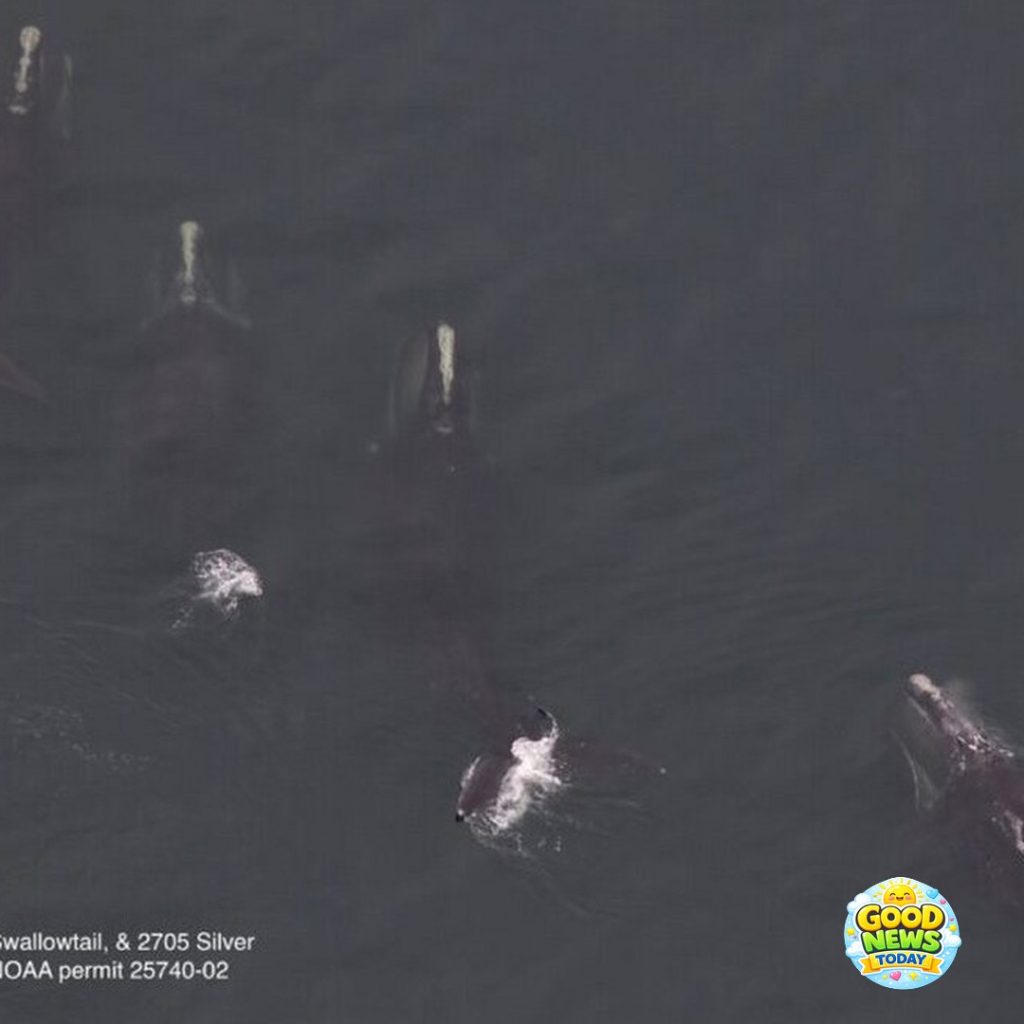
The critically endangered North Atlantic right whale is making a hopeful return from the brink of extinction, and there are many reasons to celebrate its progress. Already in the early days of the new year, we’ve witnessed a remarkable milestone: a record number of sightings during a single aerial survey flight conducted by a local marine life organization over Cape Cod.
The Center for Coastal Studies (CCS) announced that observers aboard a plane spotted 33 North Atlantic right whales on Saturday, marking the highest number ever recorded in January for a single day. This exciting survey brought to light some extraordinary observations, including the sighting of a 45-year-old male whale, known as EgNo 1050, who has only been documented once in the last 15 years. Additionally, the survey revealed the presence of the 2025 calf of whale 2460, which had surprised researchers last season with its first-ever documented appearance during a survey of Cape Cod Bay.
The New England Aquarium, another dedicated organization monitoring these magnificent whales, reported spotting 23 whales during two of their research flights. “All around us, we saw groups of whales rolling, splashing, and bursting out of the water,” shared scientist Kate Laemmle. “Seeing these critically endangered right whales on our first surveys of the New Year is a fantastic way to start the season and fills us with hope for more whales returning to the area.”
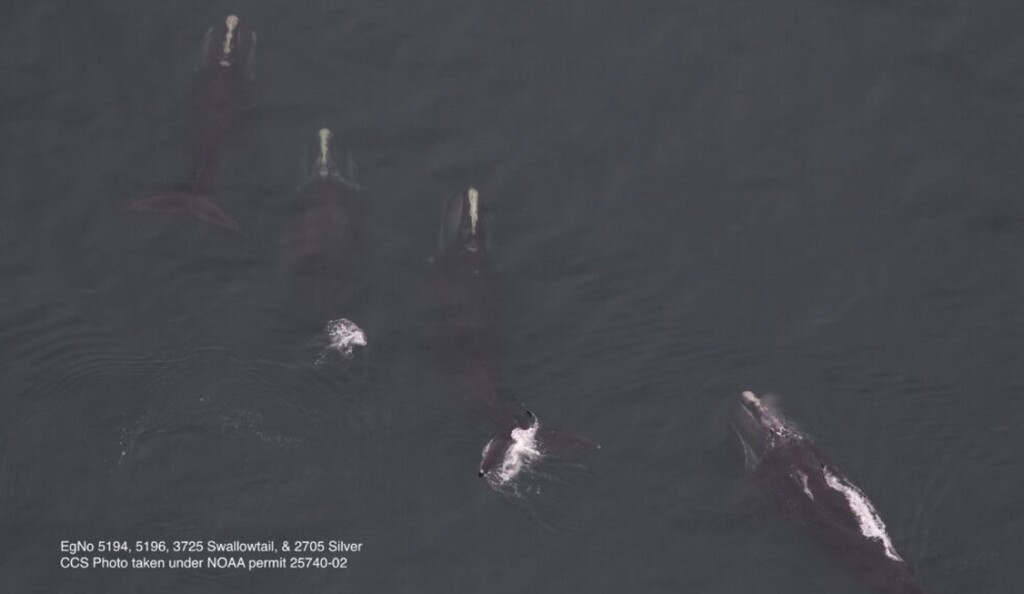
With the current population estimate of these whales standing at just 384, each survey serves not only as an opportunity to observe their behavior but also as a glimpse into the lives of more than a tenth of the entire existing population of these once-abundant giants.
In terms of conservation efforts, these whales receive some of the most hands-on attention compared to any other marine species. The recent sightings by the New England Aquarium led to the implementation of a “slow zone” for boat traffic in the area south of Nantucket, helping to protect these incredible animals. Ship strikes and entanglement with discarded fishing gear remain the most significant threats they face. Encouragingly, last year, it was reported that 11 calves were born, further boosting hope for the future of this species.
Let’s celebrate this uplifting start to the whale watching season in Cape Cod and continue to support efforts that protect and preserve these majestic creatures!