Exciting advancements in bio-molecular archaeology are allowing museum-goers to experience history in a whole new way—through the scents of the past! Researchers are utilizing cutting-edge technology to recreate ancient aromas, giving visitors a unique opportunity to breathe in the essence of bygone eras.
As it turns out, ancient artifacts can hold onto “molecular fingerprints” that reveal insights into the olfactory practices of our ancestors, including their use of perfumes, medicines, and rituals. A recent study published in the journal Frontiers in Environmental Archaeology highlights how this molecular evidence can be transformed into a captivating sensory experience for museum audiences.
Leading the charge is archeo-chemist Dr. Barbara Huber, who, along with her team, has developed innovative methods for converting bio-molecular data into delightful olfactory recreations that are accessible to all. “This research signifies a meaningful evolution in how we can share scientific findings,” Dr. Huber stated from her positions at the Max Planck Institute of Geo-anthropology and the University of Tübingen in Germany.
In collaboration with scent consultant Sofia Collette Ehrich, the team has breathed life into scientific data through the art of perfumery. Building on this foundation, perfumer Carole Calvez crafted a series of scent formulations that translate ancient chemical signatures into experiences suitable for museum settings. “While bio-molecular data offers vital clues, the perfumer’s task is to weave these chemical details into a harmonious olfactory journey that captures the essence of the original scent,” Calvez noted. “The challenge is to envision the aroma as a cohesive whole.”

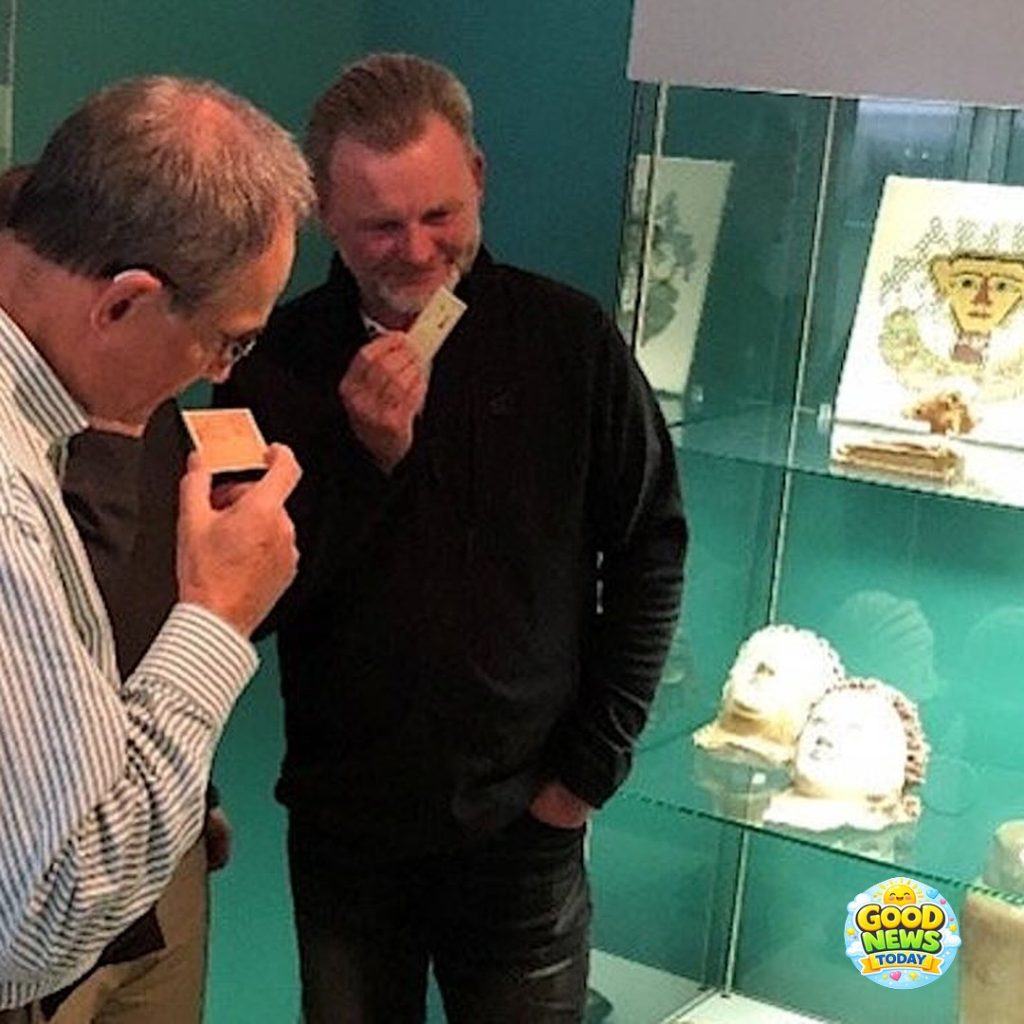
The team has introduced two engaging methods to present these ancient fragrances to the public. Most recently, they developed a scented card that has become a beloved part of guided tours at the Museum August Kestner in Hanover, Germany. This innovative card captures the essence of the recreated scent through a special scent printing technique.
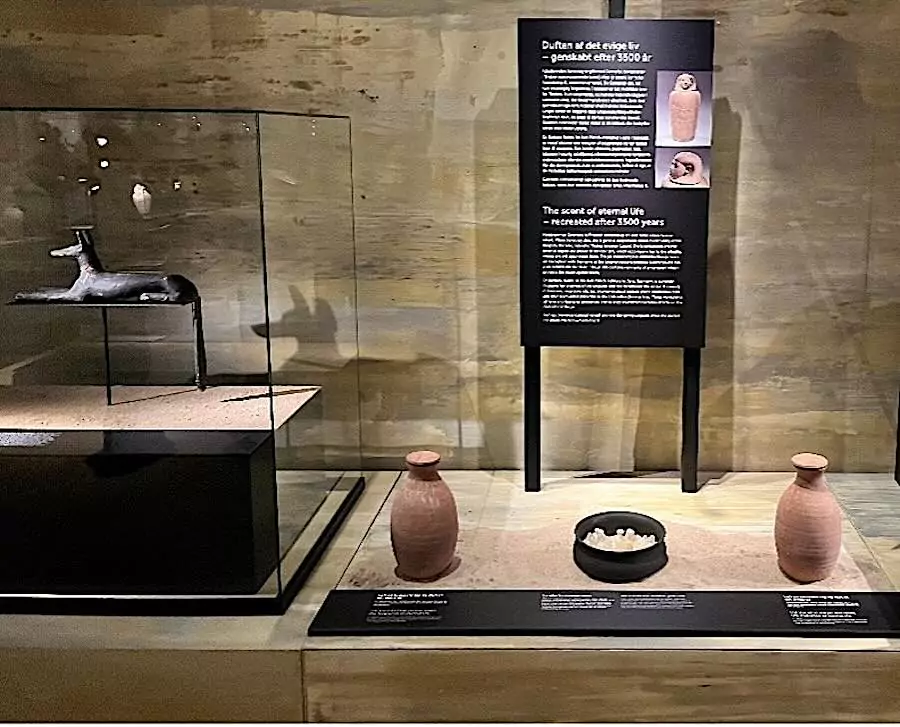
They also established a fixed scent diffusion station as part of an exhibition titled “The Scent of the Afterlife,” which debuted two years ago. This station provides an immersive experience of the aromas associated with the ancient Egyptian mummification process.
The focus of their aroma analysis centered on the embalming substances used for the noble lady Senetnay during the 18th dynasty, around 1450 BCE. Dr. Huber explained, “We analyzed balm residues found in two canopic jars from the mummification equipment.” The results revealed a fascinating blend of ingredients, including beeswax, plant oils, fats, bitumen, Pinaceae resins (likely from larch), a balsamic substance, and dammar or Pistacia tree resin.
These intricate and varied ingredients provide a fresh perspective on the sophisticated mummification practices of ancient Egypt, allowing us to appreciate the complexity of their rituals and daily life.