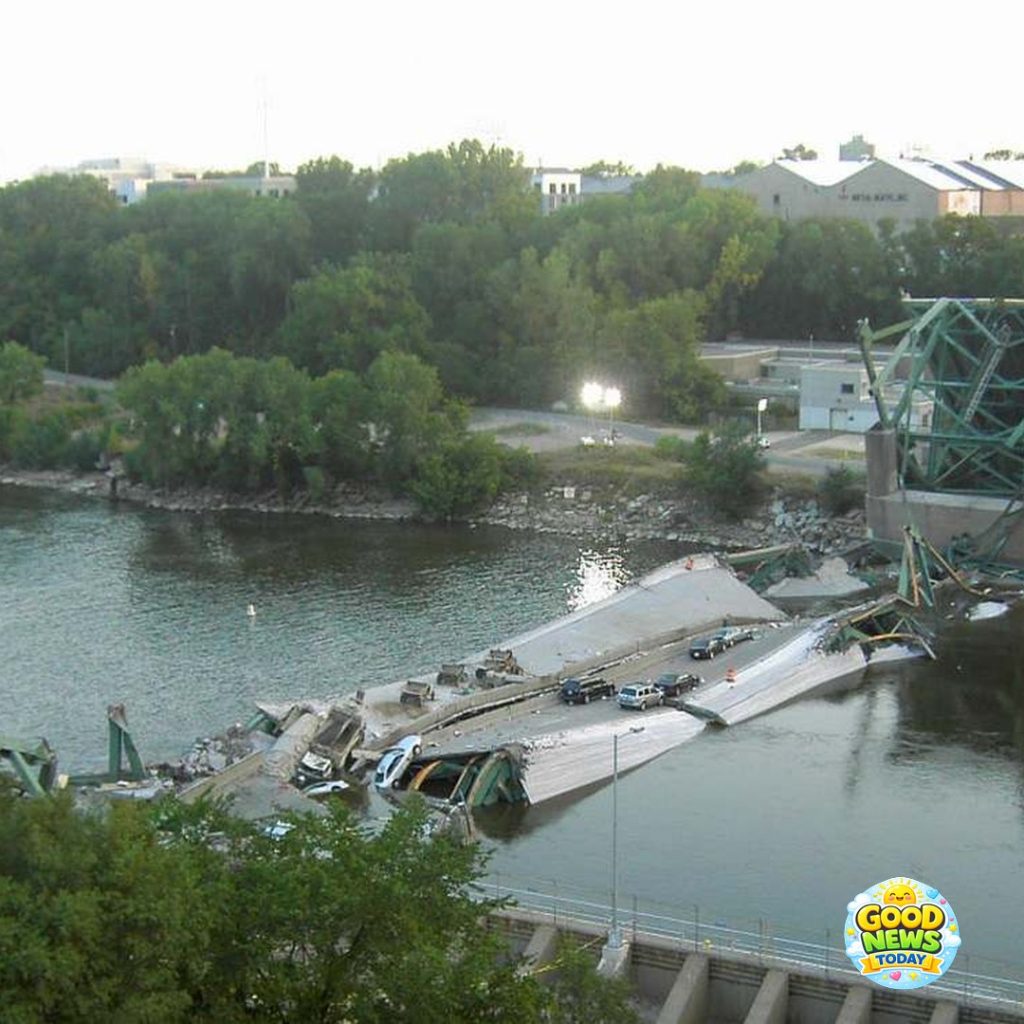
A scientist from the University of Houston is making strides in identifying the world’s most vulnerable bridges and paving the way for timely repairs.
In an impressive study involving 744 bridges worldwide, a collaborative international team has discovered that merging radar technology and satellite imagery into risk assessments can help engineers pinpoint bridges at risk of structural damage before it becomes a critical issue.
Published in Nature Communications and led by Pietro Milillo, this innovative approach is set to enhance our understanding of bridge structural integrity significantly.
“We can drastically reduce the number of bridges labeled as high-risk, especially in areas where the cost of installing traditional sensors is prohibitive,” Milillo shared with the University of Houston press.
Teaming up with researchers from the University of Bath in the UK and Delft University of Technology in the Netherlands, the group employed a cutting-edge remote sensing technique known as Multi-Temporal Interferometric Synthetic Aperture Radar (MT-InSAR).
This technique has the potential to augment traditional inspections by identifying millimeter-scale shifts in bridge structures caused by the passage of time, degradation, and environmental factors. This groundbreaking solution may revolutionize infrastructure safety globally by enabling remote monitoring of bridge stability to detect issues before they escalate into disasters.
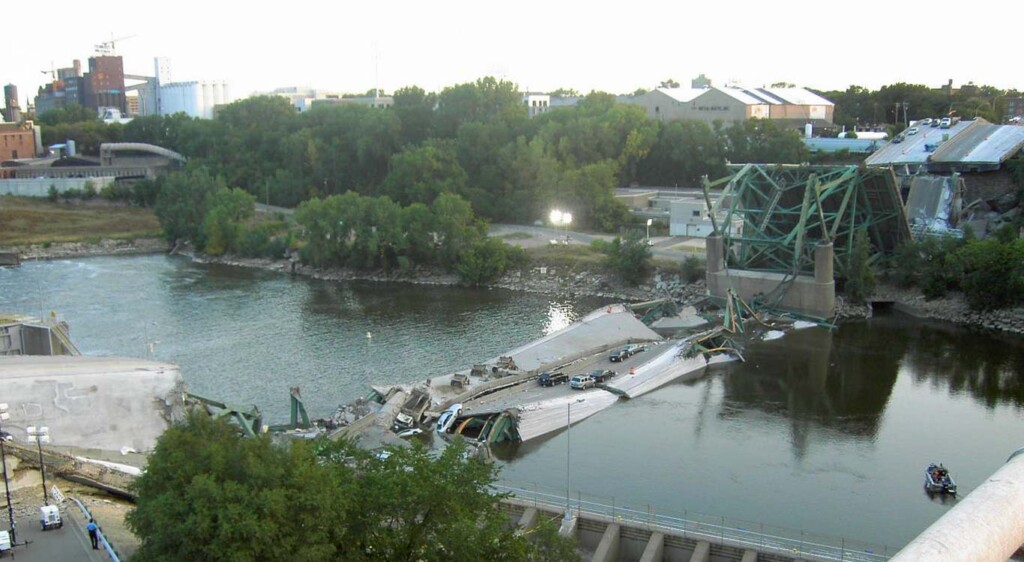
The findings indicate that bridges in North America are currently in the poorest condition, closely followed by those in Africa. The decline in North American bridges can be attributed to many being constructed in the 1960s; however, they still benefit from regular visual inspections conducted by trained professionals.
In contrast, while bridges in Africa and Oceania may appear to be in relatively better shape, they often lack thorough inspections altogether.
Traditional visual inspections of bridges can be subjective and costly, and inspectors may overlook early signs of deterioration between the typical biannual checks. Although Structural Health Monitoring (SHM) sensors provide a more economical solution, their deployment is limited primarily to newer bridges or specific cases of concern, with the study revealing that they are only installed on less than 20% of the world’s long-span bridges.
“Remote sensing serves as a valuable complement to SHM sensors, can help lower maintenance costs, and can support visual inspections, especially when direct access to a structure poses challenges,” Milillo stated.
“For bridges, MT-InSAR facilitates more frequent deformation assessments across the entire infrastructure network, unlike conventional inspections that happen only a few times a year and require personnel to be on-site.”
This innovative research not only highlights the potential of satellite technology in safeguarding bridges but also inspires optimism for the future of global infrastructure maintenance.