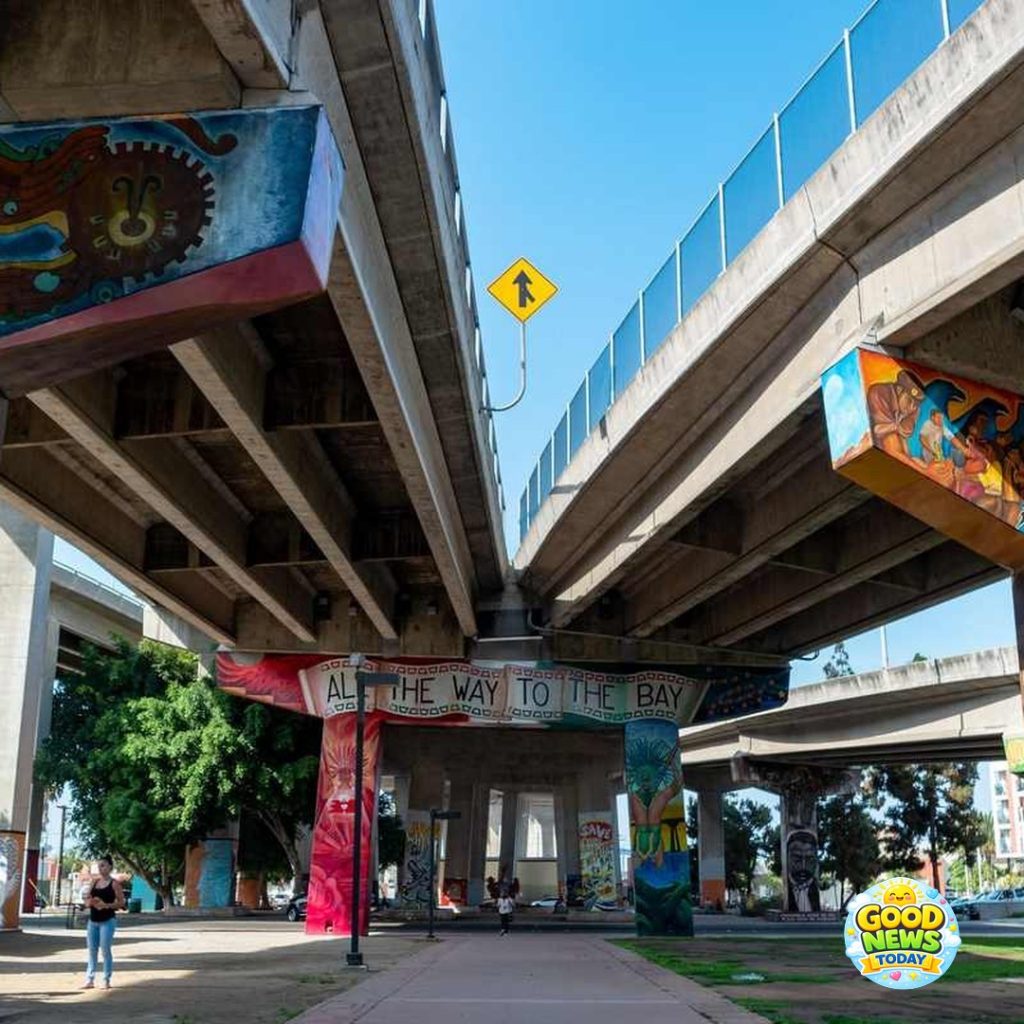
Today marks a significant milestone as San Diego celebrates the 56th anniversary of Chicano Park, a vibrant testament to the cultural heritage of its native Mexican or “Chicano” residents. Established under the iconic Coronado Bridge, Chicano Park is celebrated for housing the largest collection of outdoor murals in the United States, alongside various sculptures, earthworks, and architectural features that honor the rich history of the community. This park has also been designated as an official historic site.
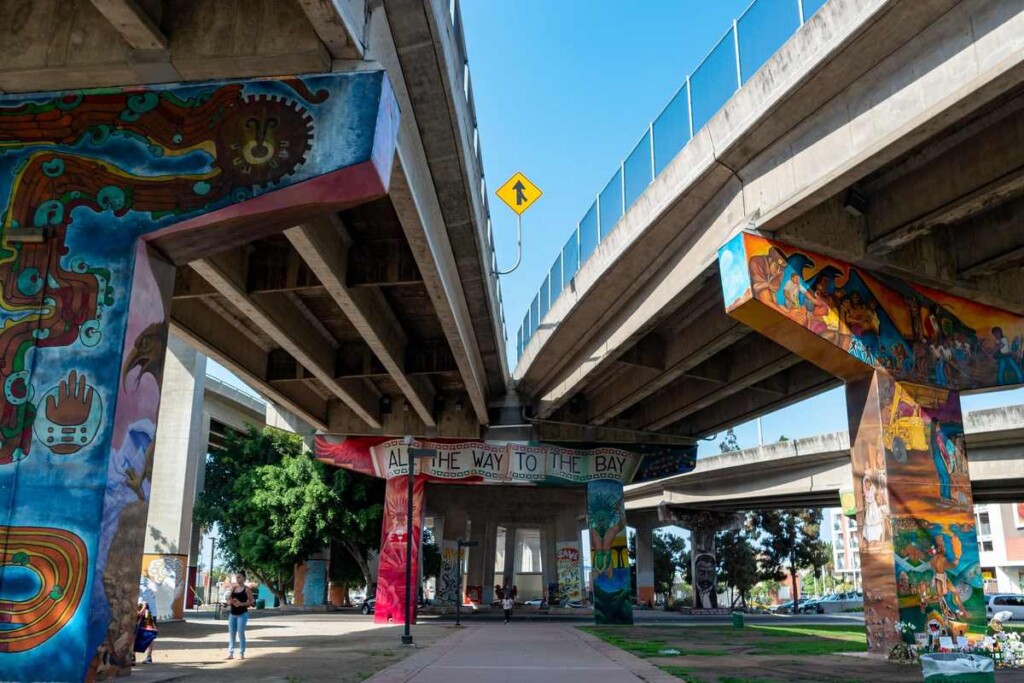
The journey of the park began with the creation of its first murals, which took nearly two years to complete. These stunning artworks serve as a powerful medium for conveying the history and culture of Mexican-Americans and Chicanos. The murals explore a variety of themes, including immigration, feminist issues, and the legacies of historical and civil rights leaders.
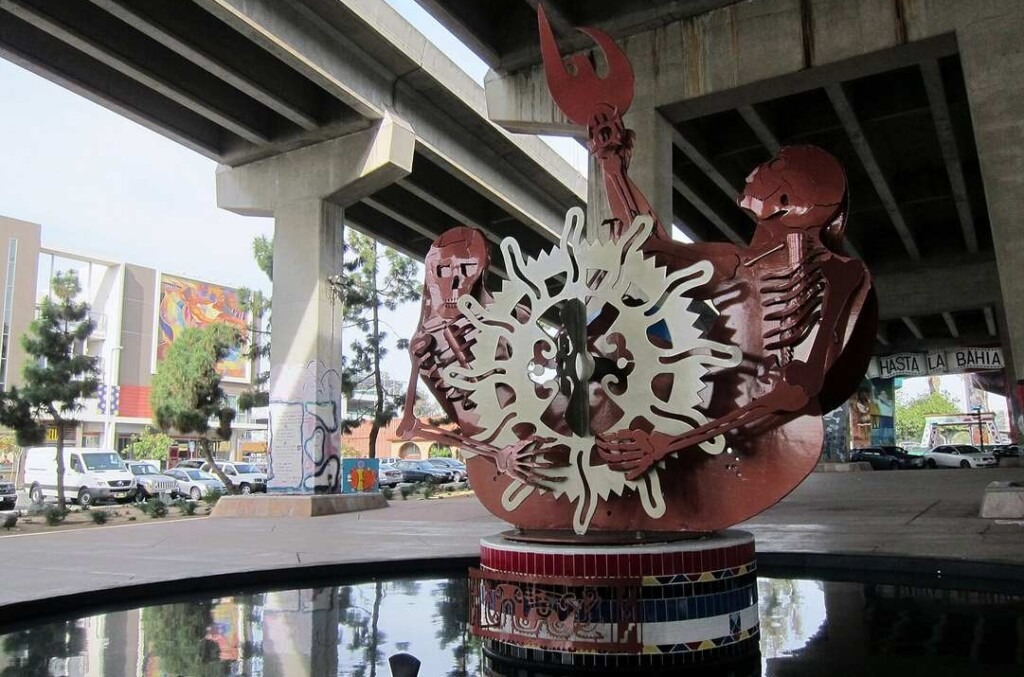
In a remarkable show of community spirit, a “Mural Marathon” was held in 1978 from April 1st to April 22nd. Over the course of 21 days, an impressive 10,000 square feet of murals were painted, further enriching the park’s vibrant atmosphere. Restoration efforts began in 1984, and since then, these murals have undergone continuous maintenance and restoration to preserve their beauty.
With the help of dedicated artists and organizations, funds were raised to acquire the necessary materials, including muriatic acid for washing the columns, rubber surface conditioners for preparation, and an array of paints. Victor Ochoa, a founding member of the Chicano Park Steering Committee, fondly recalls the weekend of March 23rd, 1973, when he brought 300 brushes, and nearly 300 enthusiastic volunteers came together to paint, showcasing the community’s passion and commitment.
As we celebrate Chicano Park today, we also reflect on other extraordinary historical events. For instance, 632 years ago, the wise sultan of the Timurids, Ulugh Beg, was born. He led efforts to transform a tumultuous nation into a center of sophistication and artistry. Renowned for his knowledge of astronomy, Ulugh Beg established an observatory in Samarkand that was among the most advanced of its time.

Much like Kublai Khan’s enlightened rule over the Mongol Empire, Ulugh Beg—grandson of Tamerlane—redirected the legacy of conquest towards a flourishing of arts and sciences. His contributions, particularly through the Ulugh Beg madrasas, shifted the focus from mere Islamic instruction to the study of mathematics and science, creating a lasting impact on the region.
Today, we celebrate not only the vibrant murals of Chicano Park but also the enduring legacy of figures like Ulugh Beg, who remind us of the potential for growth and enlightenment in even the most challenging of circumstances.