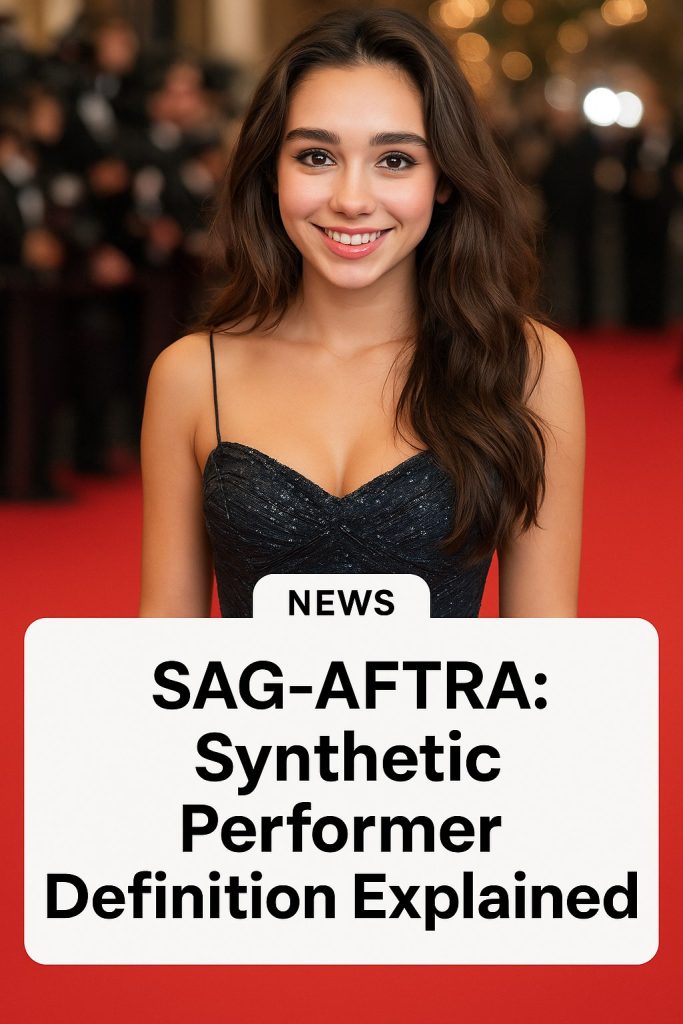
The entertainment industry is on the edge of a major ethical debate as SAG-AFTRA (the Screen Actors Guild-American Federation of Television and Radio Artists) raises alarms about the emergence of what they term “synthetic performers.” According to the union, these artificial characters, crafted by advanced computer programs, pose a significant threat to actors’ livelihoods as they are generated using the work of countless performers—without their permission or any form of compensation.
The concept of a synthetic performer presents a troubling picture for both established and aspiring actors. What is at stake? With machine learning algorithms capable of analyzing vast datasets from existing artists, they can create lifelike characters that carry attributes closely resembling real human performances. The potential impact? A future where jobs for talented actors are overshadowed by a bevy of computer-generated personalities.
“A synthetic performer is essentially a product of theft,” stated SAG-AFTRA President Fran Drescher in a recent press conference, highlighting the myriad ethical concerns that arise from this technology. “Using the likenesses, voices, and styles of skilled performers without consent is not only unethical, it’s an infringement on the rights of the artists who have dedicated their lives to honing their craft.” These remarks have sparked widespread discussion across social media platforms, with many actors voicing their fears and agreeing that this is a clear violation of their intellectual property.
Supporters of synthetic performers, primarily within tech circles, argue that this innovation could enhance productions and even create new forms of entertainment. However, the backlash from the performing arts community is monumental. Stars like Viola Davis and Mark Ruffalo have publicly expressed their concerns, echoing the sentiment that actors deserve fair treatment and transparency.
As the debate intensifies, prominent figures in entertainment are rallying to protect their craft. Discussions have unfolded about stricter regulations surrounding the use of artificial intelligence in the industry, as well as advocating for compensatory mechanisms for actors whose work is utilized in training these digital performers.
Entertainment unions around the globe are watching closely, as the implications of this technology extend beyond just acting. Writers and musicians are also voicing concerns about the potential for their work to be similarly appropriated without reward. The dialogue is shifting; it’s no longer just about adapting to new technologies, but also about safeguarding creativity and human artistry in an increasingly automated world.
As artists and creators evaluate the implications of synthetic performers, conversations continue to unfold across various platforms. The question remains: How will the entertainment industry adapt to balance innovation with the rights of the creatives who bring stories to life? Only time will tell if tangible protections and regulations will be implemented to safeguard artists’ work in the face of rapid technological advancement.
Where to Learn More
- SAG-AFTRA Sounds Alarm Over ‘Synthetic Performers’ – The Hollywood Reporter
- SAG-AFTRA Raises Concerns Over Synthetic Characters in Film – Variety
- Are Synthetic Performers the Future of Film? – The New York Times
- SAG-AFTRA Warns Against the Rise of Synthetic Performers – Deadline