Fourteen years ago, a remarkable achievement took place when a group of Russian botanists managed to regenerate 36 specimens of Silene stenophylla from ancient fruit samples that had been preserved in the permafrost for between 40,000 and 60,000 years, thanks to squirrels burying them. This groundbreaking feat exceeded previous records by more than tenfold, with the placental cells extracted from the frozen fruit radiocarbon dated to an astonishing 29,800 years BCE.
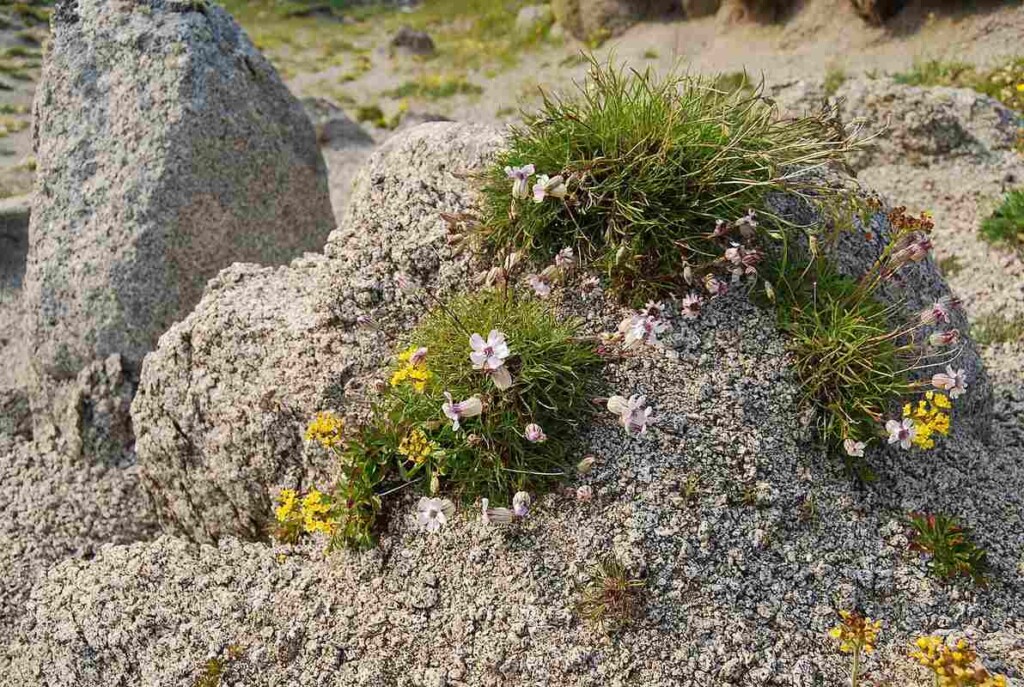
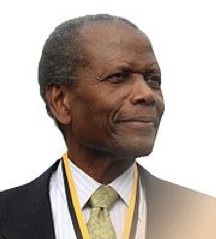
Sadly, the lead researcher behind this remarkable regeneration, David Gilichinsky, passed away just before the findings were published, missing the opportunity to share his incredible work with the world. While the species itself is not extinct, the specimens grown from the ancient fruit exhibited flowers with longer and more widely spaced petals than their modern counterparts, leaving scientists puzzled. They were uncertain whether this difference reflected adaptations to ancient climates or ecological conditions. Nonetheless, Robin Probert from the Millennium Seed Bank hailed this achievement as “by far the most extraordinary example of extreme longevity for material from higher plants.”
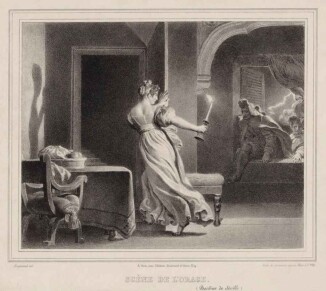
In addition to this botanical marvel, there are other noteworthy events that occurred on this date throughout history. For instance, 210 years ago, the iconic opera The Barber of Seville made its debut at the Teatro Argento in Rome. This beloved piece, created by Gioachino Rossini, tells the charming tale of Count Almaviva, who seeks to win the heart of Rosina while evading her watchful guardian, Bartolo. One of the standout characters is Figaro, the resourceful barber, whose famous aria, Largo al factotum, remains one of the most recognizable melodies in opera.
The Barber of Seville is based on the first of three plays by French playwright Pierre Beaumarchais, and it is fascinating to note that Mozart’s The Marriage of Figaro, composed thirty years earlier, is inspired by the second play in the trilogy. Just like the Star Wars saga, opera enthusiasts were treated to the aftermath of Almaviva’s marriage to Rosina and his partnership with Figaro before discovering how their journey began.
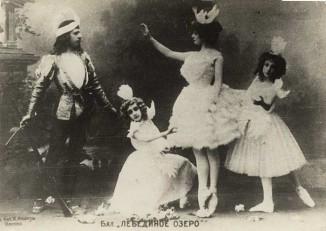
Furthermore, 149 years ago, Tchaikovsky’s enchanting ballet Swan Lake premiered at the Bolshoi Theater in Moscow. Commissioned for 800 rubles, the music has since become synonymous with ballet itself. Although the debut faced criticism for being too Germanic and the choreography deemed lackluster, Swan Lake has risen to become one of the most beloved and frequently performed ballets in history.
These remarkable events remind us of the beauty in both nature and the arts, showcasing human creativity and the resilience of life through the ages.