Amid a landscape marked by escalating global conflicts, geopolitical tensions, and unpredictable crises, experts warn that the trend of increasing military spending is likely to continue well into the next few years. A recent report from the Stockholm International Peace Research Institute (SIPRI) highlights troubling projections indicating sustained growth in national defense budgets through 2026 and beyond.
“Given the range of current crises, as well as many states’ long-term military spending targets, this growth will probably continue through 2026 and beyond,” said a researcher at SIPRI. This assertion underscores the complex and volatile nature of contemporary geopolitics, which has driven nations to bolster their military capabilities in response to rising threats.
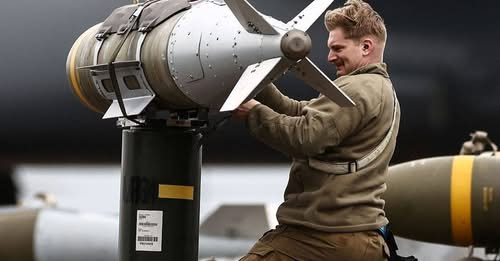
The report sheds light on a pattern where countries are increasingly allocating resources to modernize their armed forces, acquire advanced weaponry, and expand their strategic presence worldwide. This surge is fueled by ongoing conflicts, regional disputes, cyber warfare threats, and the emergence of new security challenges that have pushed defense budgets to record levels.
Notably, some of the world’s largest military spenders, such as the United States, China, and Russia, are projecting long-term plans that further commit their nations to significant military investments. For instance, the U.S. Defense Department has articulated a multi-year plan to increase spending on technology development, including artificial intelligence, hypersonic weapons, and space capabilities.
This persistent growth raises critical questions about the long-term implications for global stability and diplomacy. While some argue that increased military spending is essential for national security, critics express concern over the potential for an arms race, increased tensions, and diverted resources from other vital areas like healthcare, education, and climate change mitigation.
Furthermore, the SIPRI report emphasizes that in the context of ongoing crises — from regional conflicts to global economic uncertainty — nations view military strength as a key component of their international influence and sovereignty. This mindset is likely to drive continued spending, especially as geopolitical rivalries intensify.
As the international community grapples with these developments, experts call for renewed dialogues on arms control and disarmament measures, aiming to balance national security with global stability. Without concerted efforts to regulate military growth, the risk of escalation and unintended conflicts remains high.
Overall, the forecast presented by SIPRI underscores a sobering reality: the world may see a sustained arms build-up in the coming years, complicating efforts for peace and stability in an already tumultuous era.
Where to Learn More
- Global Military Spending Continues to Rise, SIPRI Reports – SIPRI
- The Future of Military Spending: Strategic Trends and Global Security Risks – Council on Foreign Relations
- How Global Conflicts Are Driving Military Budget Increases – BBC News
- U.S. Looks to Secure Long-Term Defense Funding Amid Geopolitical Tensions – The Wall Street Journal