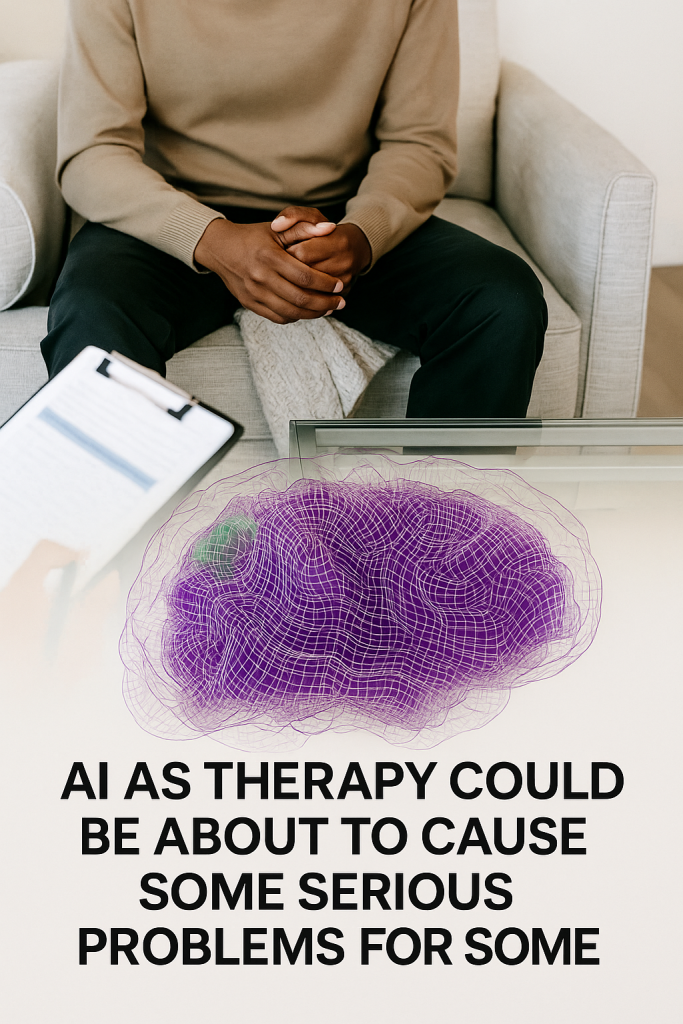
As artificial intelligence (AI) continues to revolutionize sectors ranging from finance to education, its role in mental health therapy is rapidly expanding. AI-powered apps and digital counselors promise 24/7 support, accessibility, and affordability. But recent developments have sparked a wave of concern among mental health professionals and users alike about the potential risks and unintended consequences of relying on AI for psychological therapy.
The rise of AI therapy tools has been nothing short of meteoric. Leveraging natural language processing and machine learning, AI chatbots provide conversational support that mimics human therapists. Many users turn to these tools for immediate, stigma-free assistance.
However, the honeymoon may be ending. Recent reports throughout 2024 have highlighted troubling cases where AI therapy apps failed to appropriately handle serious emotional crises, sometimes offering misleading advice or failing to recognize signs of severe mental illness such as suicidal ideation or psychosis. This inability to accurately assess and respond to complex human emotions is raising alarms.
Experts emphasize that while AI can assist in mental wellness maintenance, it is not yet capable of replacing trained human professionals. Unlike licensed therapists, AI lacks true empathy, intuition, and the clinical judgment required for nuanced diagnosis and treatment. This limitation becomes especially dangerous when vulnerable users place implicit trust in these digital platforms.
One major issue is data privacy and security. Many AI therapy apps collect sensitive health information, sometimes sharing it with third parties or using it for targeted advertising. Users may not fully grasp how their most intimate thoughts and feelings are stored and potentially exploited, raising ethical concerns.
Moreover, the lack of regulatory oversight around AI mental health tools means standards of care vary widely. In some cases, developers prioritize engagement and user retention over safety and efficacy, leading to subpar or even harmful therapeutic interactions.
Criticism is mounting around overpromising capabilities that AI therapy apps simply cannot deliver. Marketing often suggests AI chatbots can serve as effective replacements for in-person therapy, a claim mental health professionals warn is misleading and dangerous.
For individuals dealing with acute depression, anxiety disorders, trauma, or suicidal thoughts, relying solely on AI therapy tools may delay crucial human intervention. There have been instances where delayed or inadequate responses have exacerbated symptoms or deterred users from seeking emergency care.
Some advocates call for a balanced approach: using AI as an adjunct to human-delivered therapy rather than a substitute. This model could harness AI’s strengths in providing psychoeducation, routine check-ins, and accessibility, while ensuring users are routed to professional help when needed.
In sum, promoting AI as a standalone therapy option may unintentionally put vulnerable populations at risk. As AI continues its mental health journey, a cautious, regulated framework emphasizing transparency, privacy, and clinical validation is essential to prevent harm and protect users.
For now, consumers are urged to exercise caution, research available tools carefully, and view AI therapy apps as supplementary aids rather than replacements for qualified mental health care.