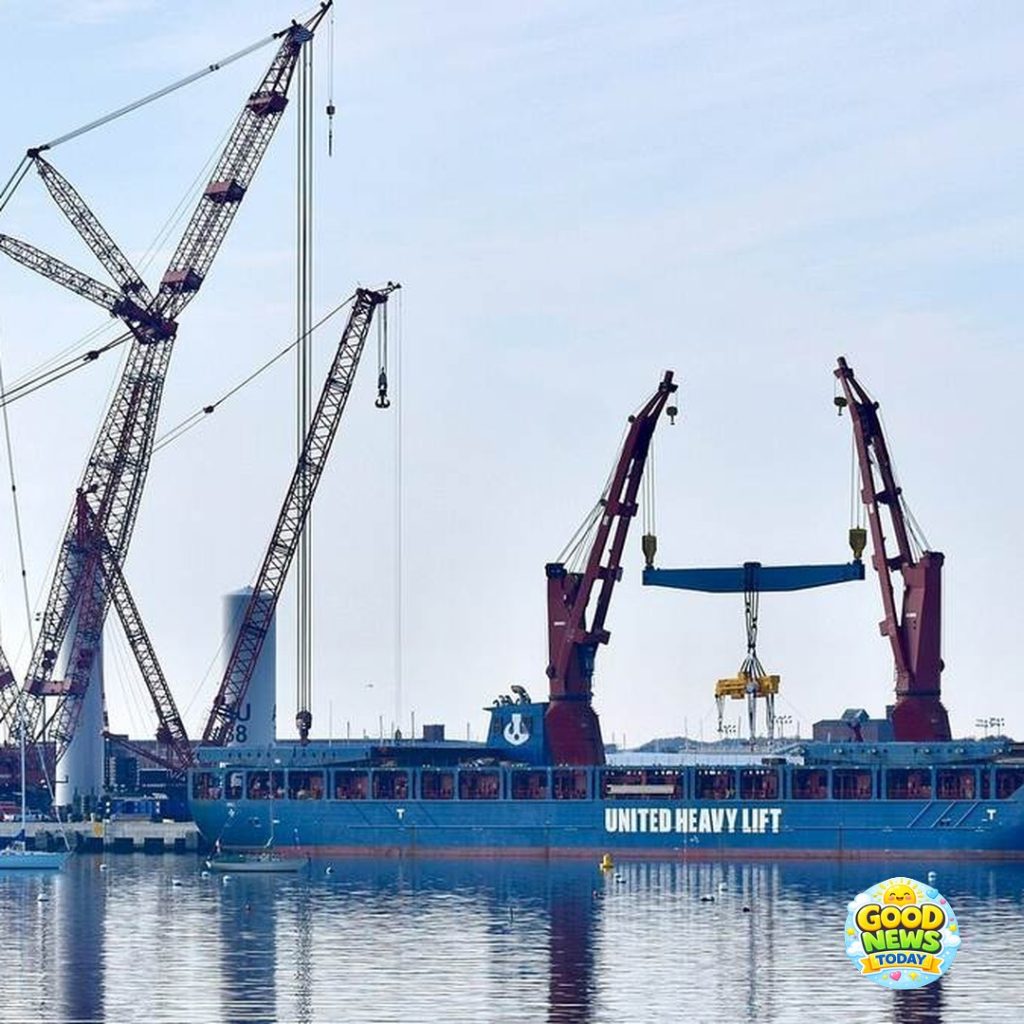
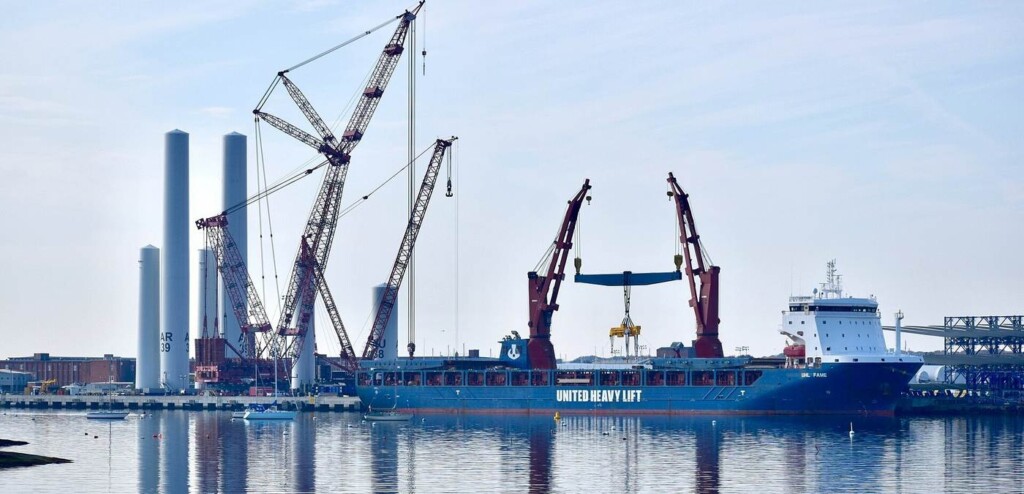
A district court judge has once again favored the progress of renewable energy by dismissing a stop-work order on the Sunrise Wind project. This decision marks the fifth occasion that courts have overturned the Department of Interior’s attempts to halt operations on five offshore wind initiatives currently underway along the eastern coast of the United States.
With this ruling, Sunrise Wind joins the ranks of Coastal Virginia Wind, Empire Wind, Revolution Wind, and Vineyard Wind, all of which have received the green light to continue their work. Together, these projects are set to supply sufficient energy for approximately 2.5 million homes and businesses along the East Coast.
District Judge Royce C. Lamberth, appointed by Ronald Reagan and overseeing the Sunrise Wind case, highlighted the urgency of the situation. He noted that the project was incurring losses of $2.5 million each day while construction was halted, leading to potential irreparable harm unless work could proceed amid ongoing legal disputes.
The lead contractor for the Sunrise Wind project, Denmark’s Orsted, has already invested $7 billion, with construction only 45% complete. Judge Lamberth articulated that the harm faced by Sunrise Wind due to a complete stop in construction outweighed any potential risks to the government from continuing mitigation efforts during the construction phase.
Just last month, Judge Lamberth issued a similar ruling favoring the Revolution Wind project off the coast of Rhode Island. The other three projects are managed by Dominion Energy, Norway’s Equinor, and Spain’s Iberdrola, all of which have successfully obtained preliminary injunctions to lift the stop-work orders.
“As the East Coast heavily relies on fluctuating natural gas prices, it’s crucial to incorporate more stable wind power into the energy grid. This will enhance supply and help keep utility bills manageable,” stated Ted Kelly, Director of the Environmental Defense Fund, who supported the legal challenge.
Offshore wind energy proves to be incredibly beneficial during peak electricity demand periods in winter, as ocean winds tend to be strongest during these times. The operational segment of Vineyard Wind has already saved New Englanders $2 million daily on energy costs during a particularly cold December.
Vineyard Wind is nearing completion at 95%, meaning substantial investments have been made—billions already spent, tens of millions contributed by investors, and hundreds of millions in loans from banks. All stakeholders are keenly anticipating a return on their investments, which is customary in large infrastructure projects.
No executive should dictate how a company and its investors manage their investments after receiving the necessary permits and approvals from the relevant authorities. If offshore wind ventures do not prove to be profitable as suggested by some, the most American approach would be to allow them to fail, giving investors the opportunity to learn from their experiences while enabling the assets to be reassigned to those more adept at utilizing them efficiently.
In other exciting developments, a two-headed wind turbine has been proposed as a solution to address renewable energy challenges, showcasing the innovative spirit of the industry.