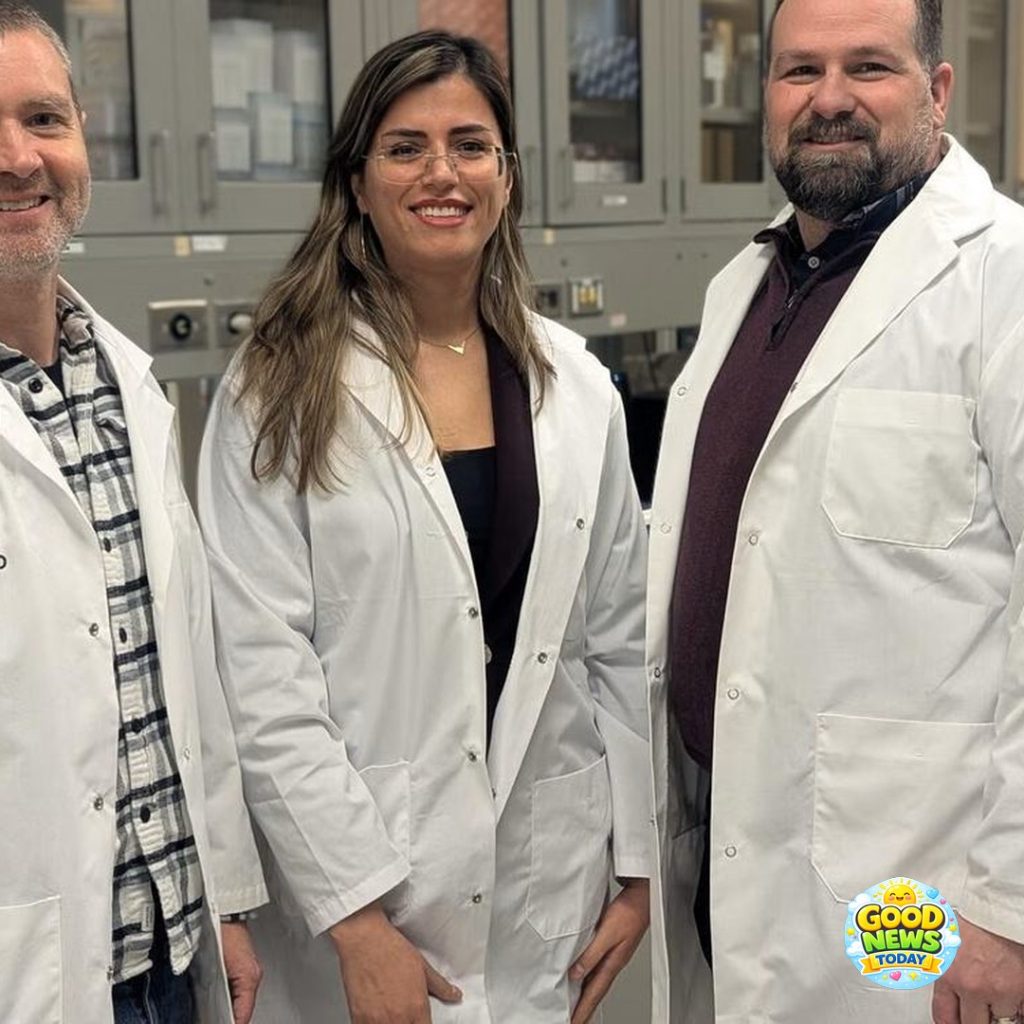
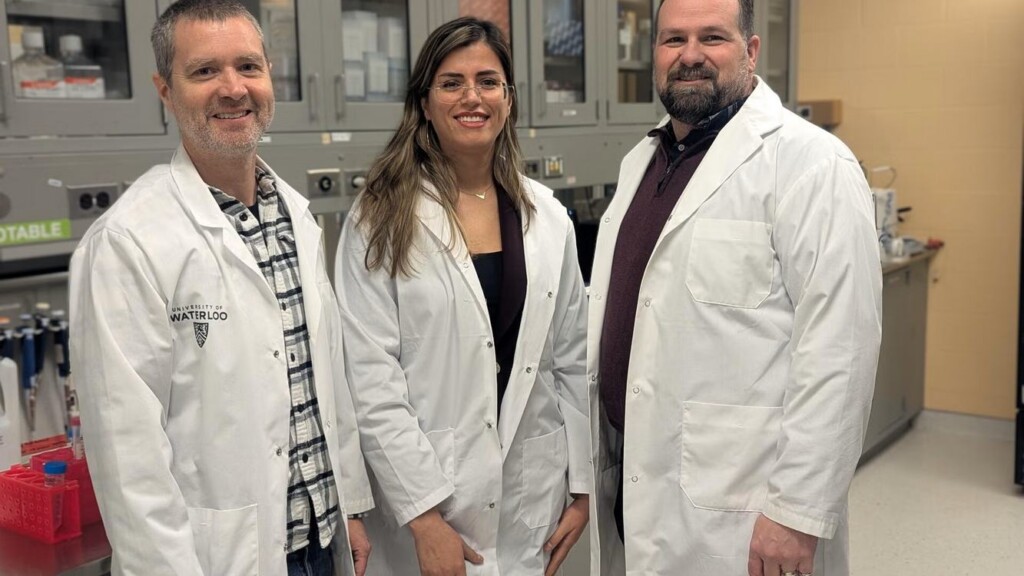
A dedicated research team at the University of Waterloo in Ontario is pioneering an innovative method to combat cancer by harnessing the power of specially engineered bacteria that can consume tumors from within.
The centerpiece of this groundbreaking approach is a bacterium known as Clostridium sporogenes, commonly found in soil and uniquely able to thrive in completely oxygen-free environments.
The inner core of solid tumors consists of dead cells and lacks oxygen, providing an optimal habitat for the bacterium to flourish. “When the bacterial spores enter the tumor, they discover a nutrient-rich environment without oxygen, which is exactly what they thrive on. This allows them to grow and multiply,” explained Dr. Marc Aucoin, a chemical engineering professor at the university. “Essentially, we are colonizing that central area, and the bacterium is actively working to eliminate the tumor from the body.”
However, there’s a biological challenge: as these cancer-fighting bacteria reach the outer regions of tumors, they encounter low levels of oxygen that can lead to their demise before they can complete their task of destruction.
To tackle this issue, the researchers have ingeniously introduced a gene from a related bacterium that possesses a greater tolerance for oxygen, allowing it to survive longer near the tumor’s edges. Furthermore, they have developed a method to activate this oxygen-resistant gene at precisely the right moment—crucial for preventing the bacteria from growing in oxygen-rich environments like the bloodstream—by utilizing a process known as quorum sensing.
Quorum sensing is a fascinating phenomenon where bacteria communicate through chemical signals. The activation of the oxygen-resistant gene only occurs when a sufficient number of bacteria are present in the tumor, ensuring it is triggered at the ideal moment and not prematurely.
In earlier studies, researchers successfully modified Clostridium sporogenes to enhance its oxygen tolerance. Following this, they tested their quorum-sensing system by enabling the bacteria to produce a green fluorescent protein.
Looking ahead, the team plans to merge the oxygen-resistant gene with the quorum-sensing mechanism within a single bacterium and trial it on tumors in pre-clinical studies.
While significant research remains before this innovative design can be available for clinical use, it is truly inspiring to witness the multitude of alternative cancer treatment methods currently being explored. From “electrical knives” and various combinations of traditional therapies like chemotherapy to advanced techniques such as CRISPR gene editing and stem cell infusions, the future of cancer treatment is filled with hope.
Moreover, recent reports showcase remarkable progress in cancer survival rates in America, with 7 out of 10 patients now living five years or more after their diagnosis.
Spread the word about this exciting new approach to tumor treatment with your friends!