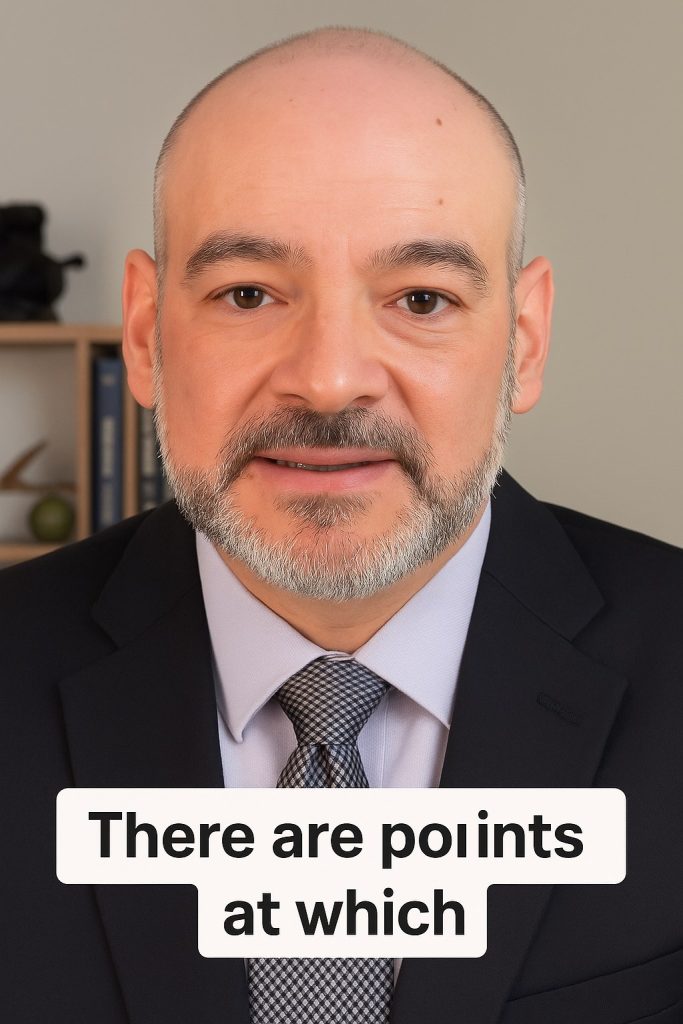
In an age where discussions about judicial influence are heating up across social media platforms, legal expert Professor Justin Levitt has sparked an insightful dialogue on the future of the Supreme Court of the United States (SCOTUS). “We hold an awful lot of agency to change what the court does,” he recently stated, highlighting the power that citizens and lawmakers possess in shaping judicial policies.
As the nation grapples with key decisions made by the Supreme Court, from controversial rulings on abortion to voting rights, Levitt’s remarks come at a pivotal time. His assertion has garnered considerable attention, igniting fervent debates about the need for significant reforms within the court system. With public confidence in the judiciary waning, many citizens are eager to see changes that reflect contemporary values and societal norms.
Levitt’s argument is built upon the premise that the current state of the Supreme Court does not align with the will of the people. “Judges are human beings, too, and they hold biases that can influence their decisions,” he explains. “We need to ensure that our judicial system is not only fair but also representative.” This belief underscores the growing call for reforms such as term limits for justices, greater transparency in the appointment process, and the introduction of an independent commission to mitigate bias.
In particular, the Supreme Court’s recent rulings have incited significant backlash, reflecting a judicial branch perceived as out of touch with the general populace. During a pivotal moment of discussion on social media, Levitt encouraged citizens to be proactive: “Engagement at every level—from grassroots organizing to contacting your representatives—matters. Your voice can help shape the future of the judiciary.”
Many advocates support his call for reform, recognizing the urgency of addressing issues such as gerrymandering, voting access, and the overreach of judicial power. The vitality of democracy depends upon a court that holds accountability to the American people, ensuring that justice is not only done but also perceived to be done.
As various communities mobilize to voice their concerns, there is a sense of momentum building towards meaningful legislative action. Political leaders across the spectrum are beginning to weigh in, recognizing that the foundations of democracy must adapt to changing societal expectations. “This is not just about making noise; it’s about creating pathways for sustainable change within the judiciary,” emphasizes Levitt.
The conversation surrounding SCOTUS reforms is more than just theoretical—it represents a cultural shift towards accountability and sociopolitical representation. As citizens increasingly demand a judiciary reflective of America’s diversity and complexity, the call for reform resonates more powerfully than ever.
Ultimately, the question remains: will the necessary action be taken to reshape the Supreme Court? With authorities such as Professor Levitt championing reforms and galvanizing public support, there is hope that tangible changes can result from this critical discourse.
Where to Learn More
- SCOTUS Blog – Expert analyses and news on Supreme Court cases
- ACLU: Supreme Court News – Coverage of Supreme Court cases by the American Civil Liberties Union
- Brookings Institution: Supreme Court – Research and insights from leading legal scholars
- Opinion Section – The New York Times – Diverse opinions on judicial reforms
- The Atlantic: Politics – Articles exploring the implications of Supreme Court decisions