
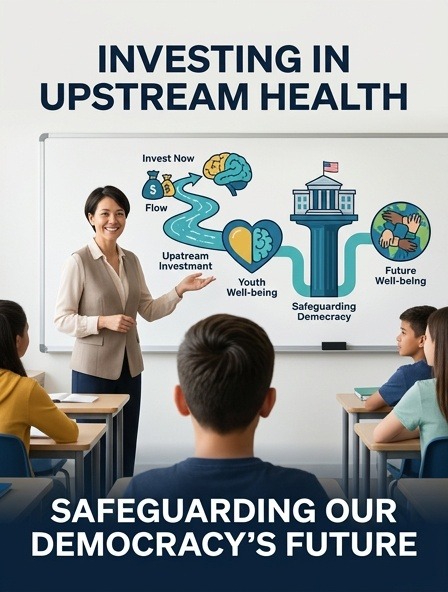
In a time where societal challenges feel increasingly complex, experts are emphasizing the urgent need for policymakers and funders to view comprehensive sex education as a foundational investment—one that yields benefits both immediately and for the nation’s future. As discussions about education reform often focus on academia or economic competitiveness, a growing movement underscores that sex education is an essential component of safeguarding our youth’s well-being and strengthening democratic resilience.
Research increasingly demonstrates that high-quality sex education directly correlates with lower rates of teenage pregnancy, reduced incidence of sexually transmitted infections, and healthier decision-making among young people. These tangible outcomes translate into fewer crises in healthcare and social services, ultimately easing pressures on public resources and fostering a healthier, more empowered youth population.
But advocates argue that the significance of sex education extends beyond immediate health benefits. Investing in comprehensive sexuality programs now is an upstream strategy to combat misinformation, promote equality, and cultivate critical thinking—roots that nourish our democratic fabric.
In an era marked by misinformation and divisive rhetoric, education on issues of gender, sexuality, and personal rights becomes crucial. When youth are equipped with accurate, age-appropriate information, they are more likely to develop respectful attitudes, challenge harmful stereotypes, and engage civically in ways that reinforce democratic values. Conversely, a lack of education or the presence of misinformation paves the way for societal divides, echo chambers, and erosion of civil discourse.
Funding these programs, therefore, is not just an investment in individual health—it’s a strategic move toFoster an informed, inclusive citizenry capable of defending democratic principles amidst contemporary challenges. Practical examples show that schools with comprehensive sex education curricula witness not only better health outcomes but also improvements in student engagement, respect for diversity, and community cohesion.
Despite overwhelming evidence and public support, funding for sex education programs remains inconsistent across states. Advocacy groups urge funders to see this as a dual-purpose investment: providing immediate benefits for youth’s health and well-being while nurturing the democratic ideals vital for long-term societal stability.
As the conversation evolves, mainstream institutions and policymakers are called upon to reframe sex education as an essential, forward-thinking endeavor—integral to building resilient individuals and a resilient democracy. It’s not merely an educational topic but a strategic investment with the power to shape a more equitable and informed future for all.
Where to Learn More
- The Importance of Comprehensive Sex Education – Guttmacher Institute
- AAP Supports Youth-Focused Sex Education Programs – American Academy of Pediatrics
- Sex Education as a Democratic Issue – Democracy Fund
- U.S. Department of Health & Human Services: Sex Education Initiatives