In a bold move sparking widespread debate, a member of the Portland City Council has taken to social media to offer tips on how anti-ICE protesters can safeguard their privacy from law enforcement surveillance. The councilor’s advice comes amid rising tensions surrounding immigration enforcement measures and community protests against U.S. Immigration and Customs Enforcement (ICE).
The post, which has since gone viral, encourages activists to purchase burner phones and utilize encrypted messaging apps as a means of communication when participating in protests. This guidance highlights the growing concerns around civil liberties, privacy, and the potential monitoring of those expressing dissent against governmental practices.
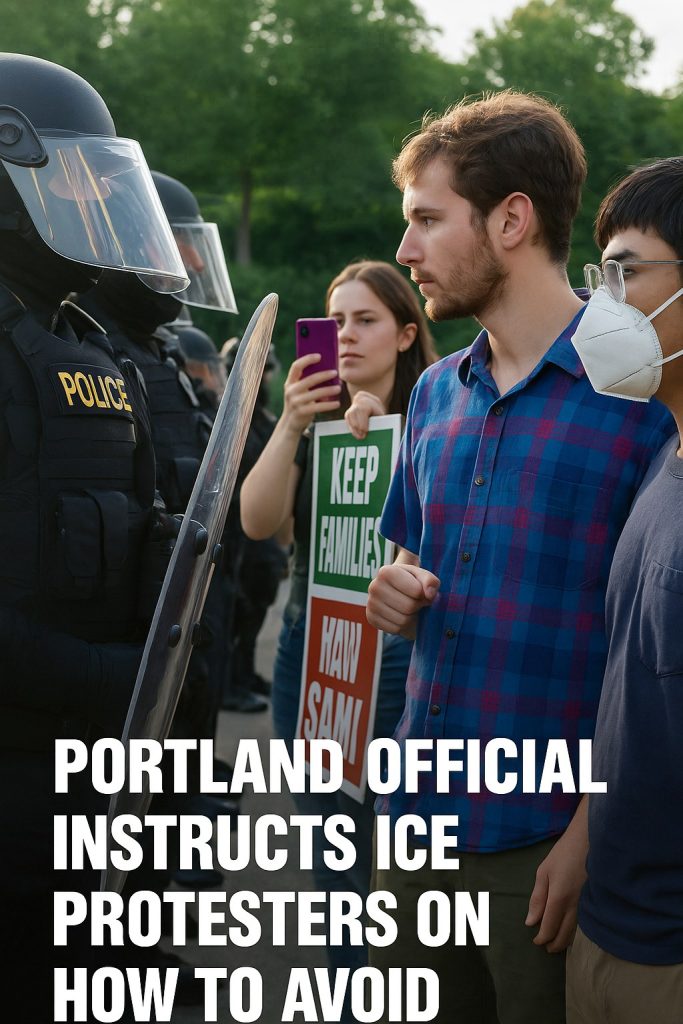
In the image that accompanied the social media post, the council member is seen advising three individuals while the caption reads, “Portland official instructs ICE protesters on how to avoid being tracked.” Social media users have since shared the image widely, igniting discussions around privacy, activism, and law enforcement practices.
The Context Behind the Advice
Portland has become a focal point for activism against ICE, particularly amid reports of aggressive enforcement tactics that many view as unjust. Protests in the city have drawn significant attention, leading to heightened police presence, which advocates fear could escalate into confrontations. The council member’s recommendation to use burner phones—temporary devices that can be discarded after use—aims to prevent law enforcement from identifying protesters through their mobile data.
Moreover, the push for using encrypted apps, such as Signal or WhatsApp, allows for secure communication that cannot be easily intercepted. “In times of heightened scrutiny, it’s vital that activists maintain their privacy and keep communications secure,” stated the council member in a follow-up interview. “The right to assemble is foundational to our democracy, and we must protect it.”
Public Reaction
The reaction to the council member’s advice has been mixed. Supporters praise the emphasis on safety and privacy, highlighting the need for activists to protect themselves in a politically charged environment. A local activist remarked, “This advice is crucial for anyone looking to participate in protests without risking their safety and privacy.”
However, critics argue that such advice could incite further tensions with law enforcement and may backfire if it is perceived as encouraging illicit activities. “While privacy is important, creating a divide between our community and the police isn’t the solution,” commented a local resident.
Looking Ahead
The city council member’s post raises important questions about the balance between protest and law enforcement in Portland and similar cities across the nation. As this conversation continues, activists are likely to find new ways to navigate the challenges posed by heightened scrutiny and surveillance during protests.
In an age where the digital landscape intersects with civic engagement, this incident underscores the necessity for both activists and law enforcement to engage in meaningful dialogue about privacy, safety, and mutual respect in public demonstrations.
Where to Learn More
- Portland Council Member’s Controversial Advice Sparks Debate – The Washington Post
- Portland Activists Take Steps to Protect Their Privacy – The New York Times
- Protecting Privacy: Insights from Portland City Council – CNN