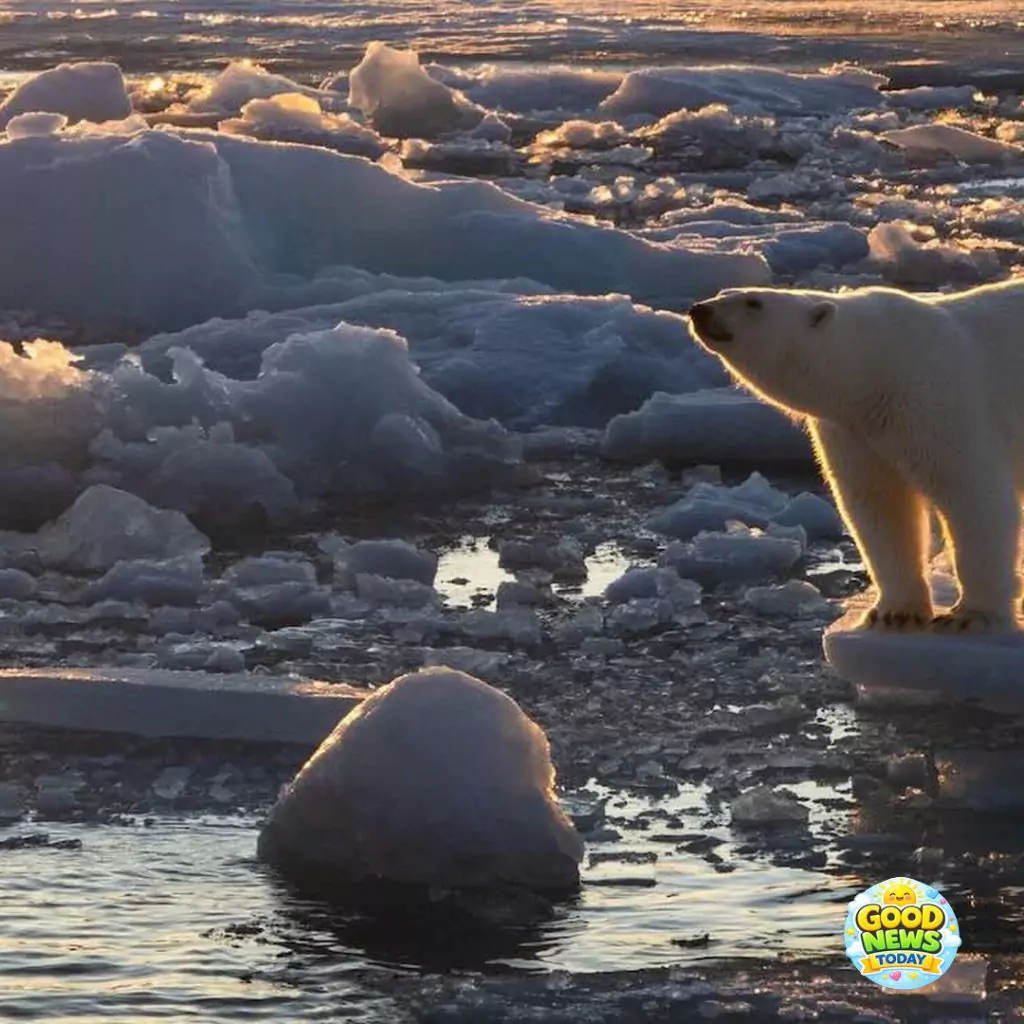
Exciting news has emerged regarding polar bears: they are healthier now than they were a quarter-century ago, despite the ongoing decline of sea ice, according to recent research findings.
The well-being of these majestic white bears, particularly those around the Norwegian island of Svalbard, has improved amid climate change challenges, likely due to enhanced hunting opportunities.
Researchers were pleasantly surprised to discover that the bears’ fat reserves have increased since the year 2000, even as sea ice levels have diminished. This uplifting revelation, published in the journal Scientific Reports, stands in stark contrast to earlier studies that reported declines in polar bear populations across the Arctic region.
Notably, temperatures in the Barents Sea near Svalbard have risen by as much as two degrees Celsius per decade since 1980, indicating significant environmental changes. A 2004 census recorded approximately 2,650 polar bears in the Barents Sea, and recent observations suggest that this population has remained stable, although the reasons behind this stability have been somewhat of a mystery.
To delve deeper, Dr. Jon Aars, a senior scientist at the Norwegian Polar Institute, and his team investigated the factors contributing to the stability of the Svalbard polar bear populations. They analyzed data from 1,188 body measurements of 770 adult polar bears collected between 1992 and 2019. The researchers compared the bears’ Body Composition Index (BCI)—a measure of fat reserves and overall condition—against the number of ice-free days in the area over the 27-year span.
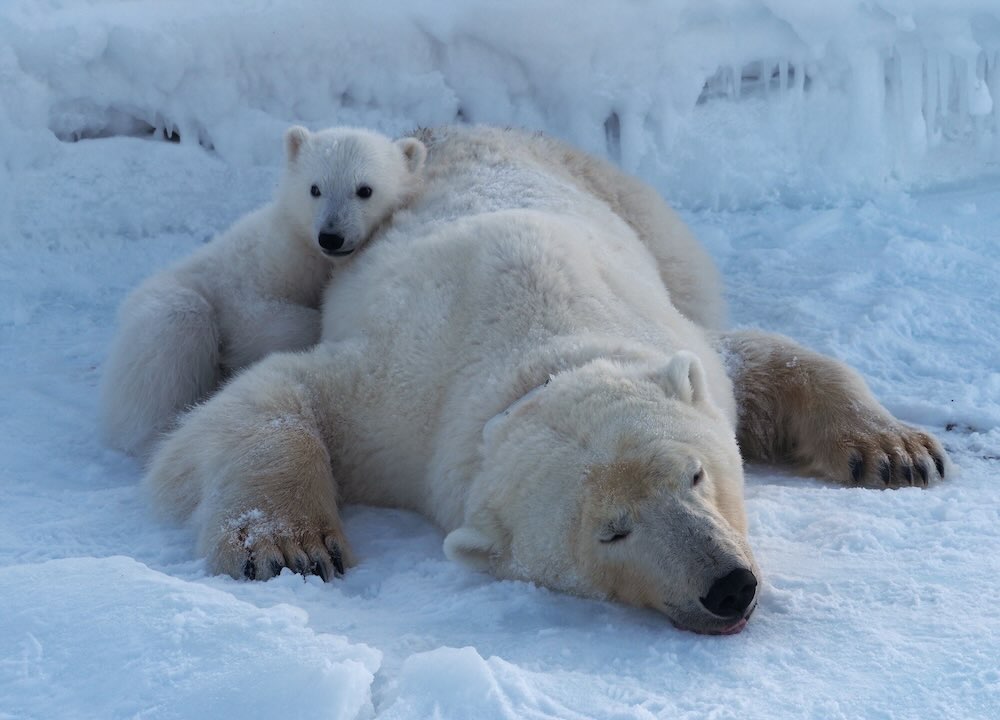
The findings revealed that, despite an increase of roughly 100 ice-free days during the study period (about four days per year), the average BCI of the adult polar bears actually rose after 2000. Dr. Aars noted, “This indicates that fat reserves increased as sea ice levels decreased.”
The team speculates that the improved body conditions of Svalbard’s polar bears might be linked to the recovery of land-based prey populations, such as reindeer and walrus, which had previously been over-hunted by humans. Additionally, the reduction in sea ice may have caused certain food sources, like ringed seals, to concentrate in smaller areas, ultimately enhancing hunting efficiency for the polar bears.
However, Dr. Aars cautions that this positive trend may not be stable in the long term. “Further reductions in sea ice may negatively affect the Svalbard populations by increasing the distances they need to travel to access hunting grounds,” he explained.
The research underscores the importance of ongoing studies to better understand how various polar bear populations are adapting to the warming Arctic landscape. This story offers a glimmer of hope for these remarkable creatures and highlights the resilience of nature amidst changing conditions.
Let’s continue to spread the good news about polar bears and their incredible adaptability on social media!